
From EVs and batteries to autonomous vehicles and urban transport, we cover what actually matters. Delivered to your inbox weekly.
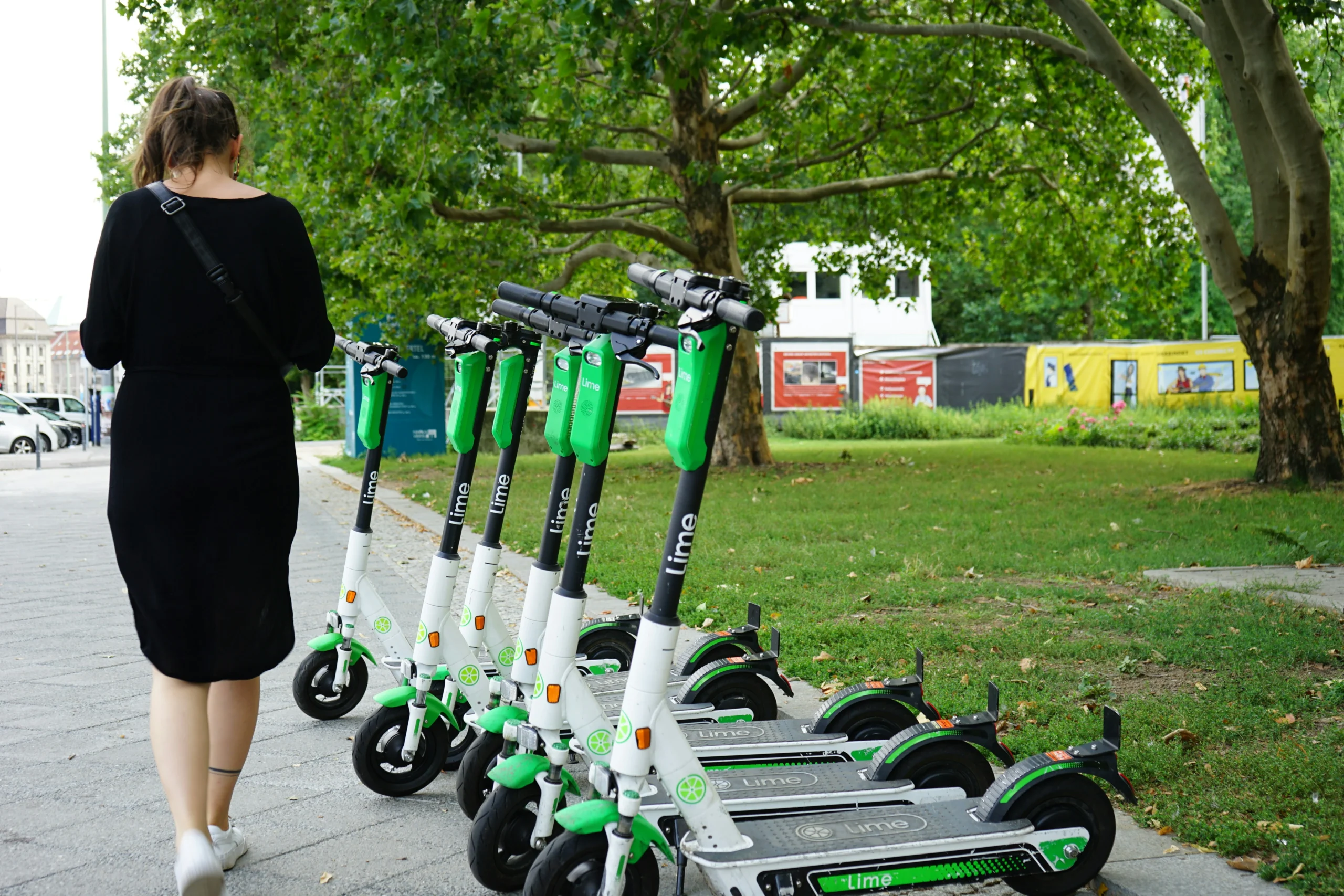
The upgraded fleet includes three new vehicle types, among them the Bird Journey e-bike. This model stands out for its 90-kilometer range, positioning it for longer trips and broader use cases. Compared to typical shared-use bikes, which often top out around 50 to 70 kilometers per charge, the Journey allows riders to rely on fewer charges and more flexibility.
Hardware upgrades focus on both rider safety and operational durability. All models include dual braking systems—drum and electric—and meet UL2272 and UL2849 certification standards, which govern battery and electrical safety in micromobility devices. The vehicles also feature IPX7 waterproofing, enabling them to operate reliably in wet weather conditions without water damage to critical components.
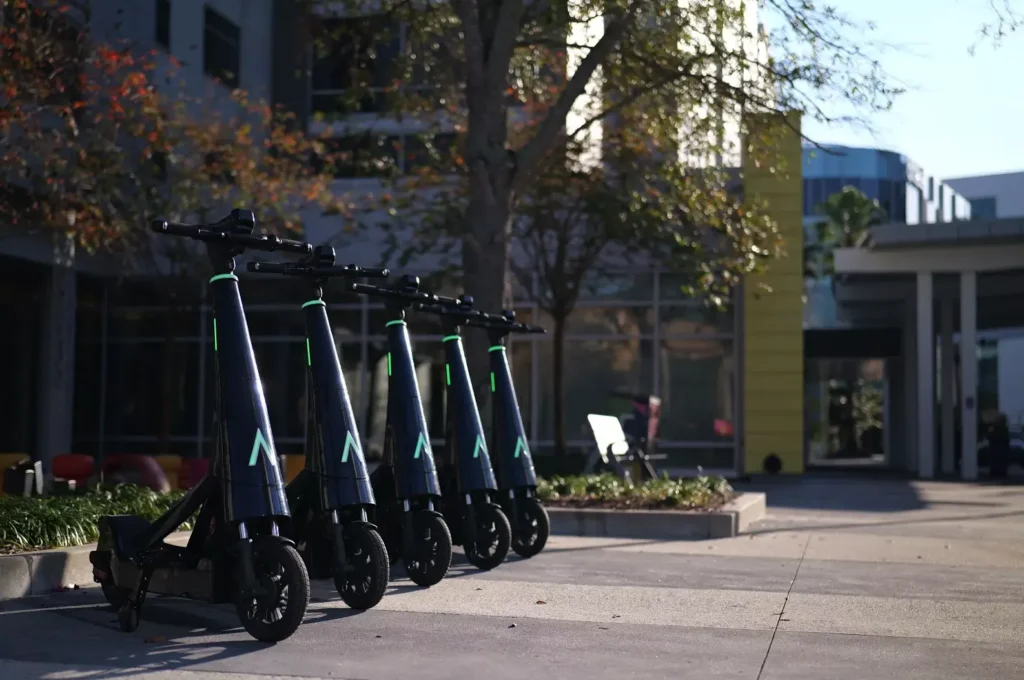
One key area of advancement is the vehicle design itself. The new fleet uses modular parts and 27% recycled materials, simplifying maintenance and supporting a quieter supply chain. The inclusion of closed-loop battery systems reflects growing pressure on fleet operators to reduce environmental impact while extending the lifecycle of key components like lithium-ion cells.
Technology built into the scooters reflects a growing regulatory trend around pedestrian safety. Integrated sensors now detect pedestrians and adjust the vehicles’ speed accordingly—an emerging compliance concern for city regulators aiming to reduce sidewalk conflicts and injury risk.
From an operations standpoint, these design shifts serve multiple goals:
Bird and Segway’s joint push shows how micromobility providers are adjusting to a more constrained market—one where scale alone can no longer offset the costs of fleet damage, regulation, and inconsistent rider use. With cities sharpening scrutiny on fleet operators and infrastructure still lagging behind vehicle growth, designs that lower costs while improving compliance are likely to gain traction.
“`