



From EVs and batteries to autonomous vehicles and urban transport, we cover what actually matters. Delivered to your inbox weekly.
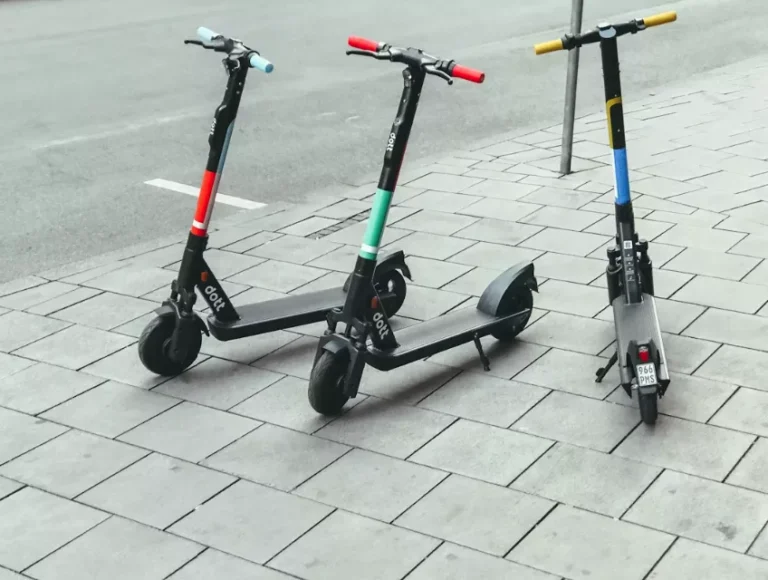
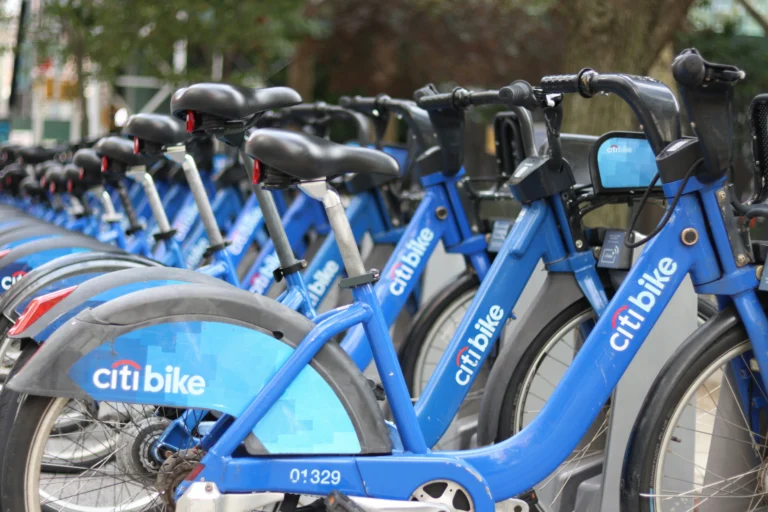
Shared micromobility is no longer a test case, but a transportation staple. New data from Veo’s 2025 Mode Shift Report shows that in cities with established programs, more than one-third of shared e-scooter and e-bike trips directly replace car rides.
The message is clear. When cities design for it, people choose alternatives to driving.
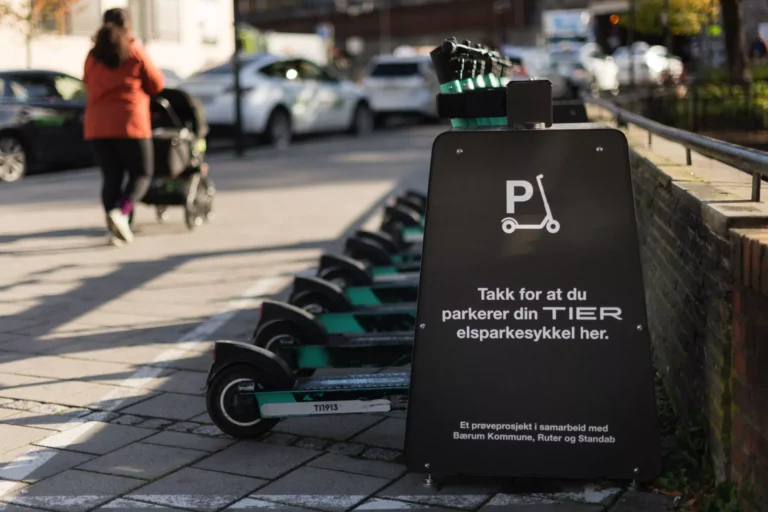
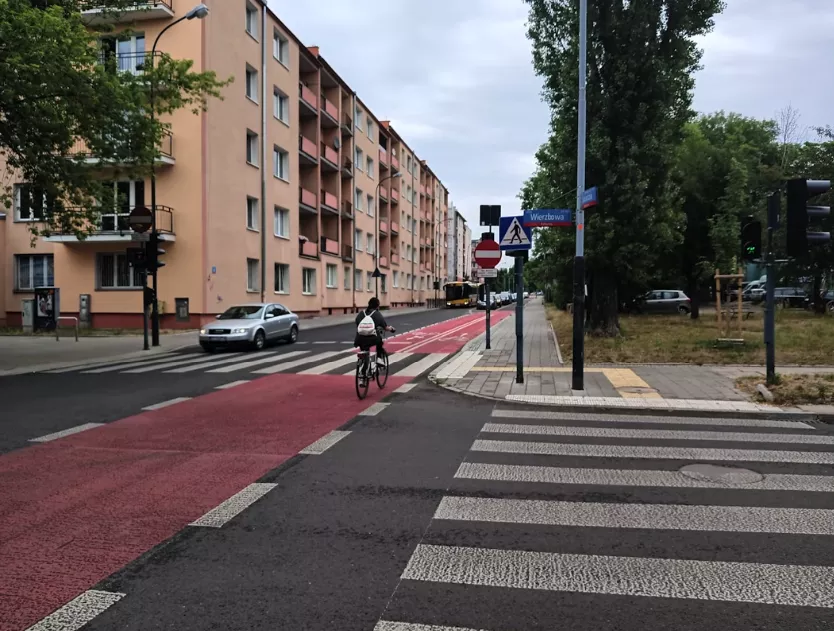
That shift isn’t happening by chance. Veo’s analysis, based on rider data across several U.S. markets, highlights infrastructure as the key variable. Where cities invest in protected lanes, safe parking, and integrated networks, micromobility thrives. Where they don’t, adoption stalls.
The report urges cities to end the cycle of short-term pilots and start treating shared mobility as part of the long game. That means committing to:
Some cities are already proving the model. In Washington, DC and Oakland, discounts and subsidies have boosted trip numbers in lower-income neighborhoods,cutting into car travel in places underserved by transit.
Elsewhere, regional coordination is driving scale: the Bay Area and Connecticut have begun managing micromobility across city lines, improving convenience and consistency.
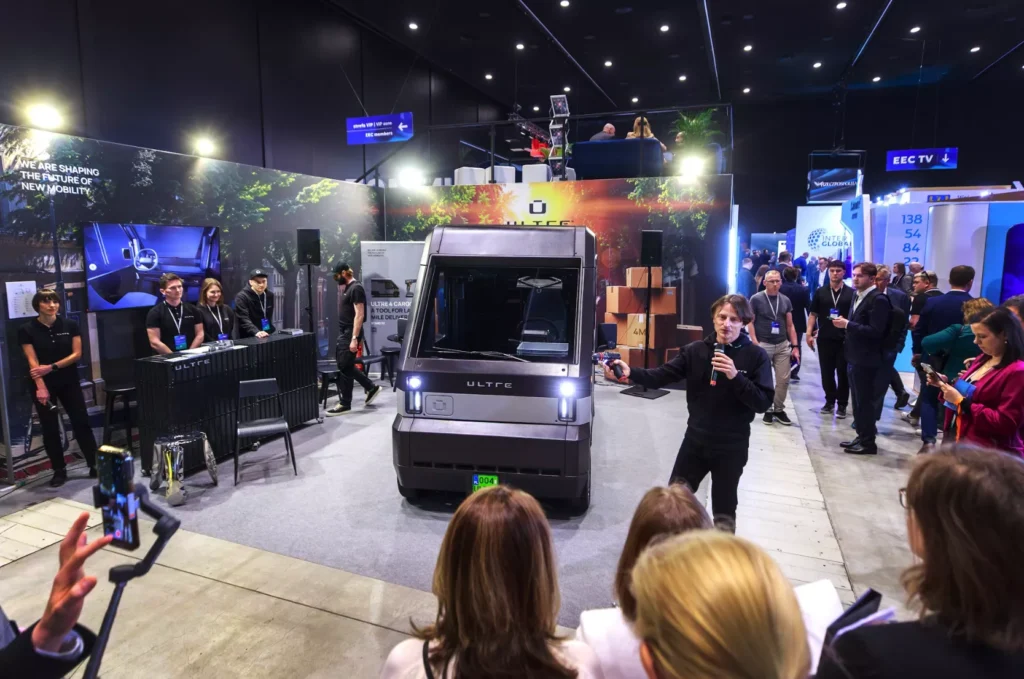
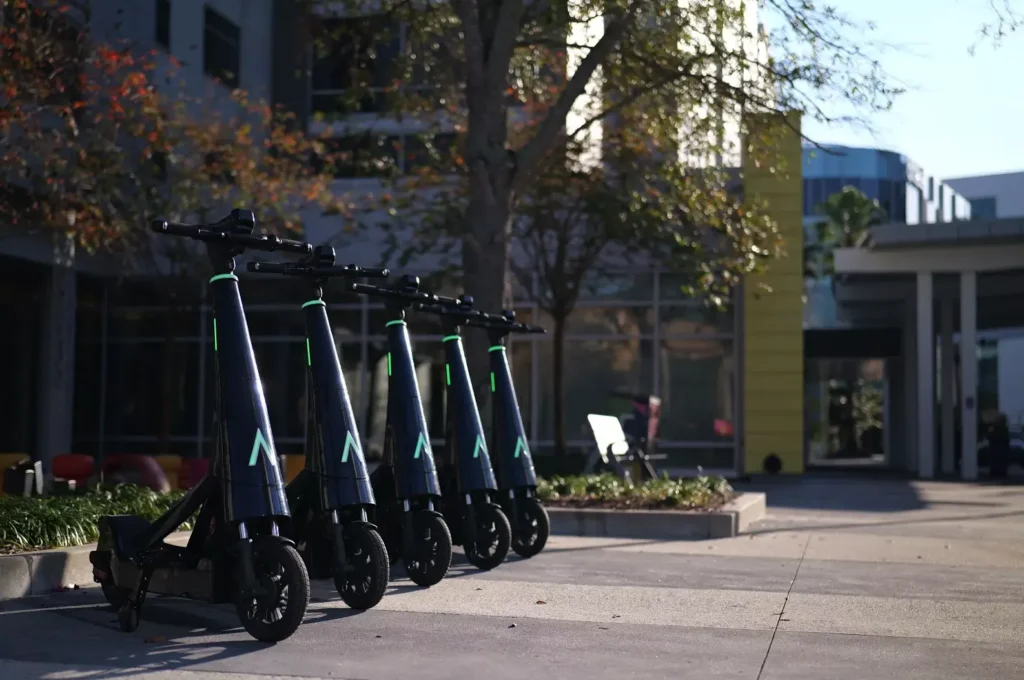
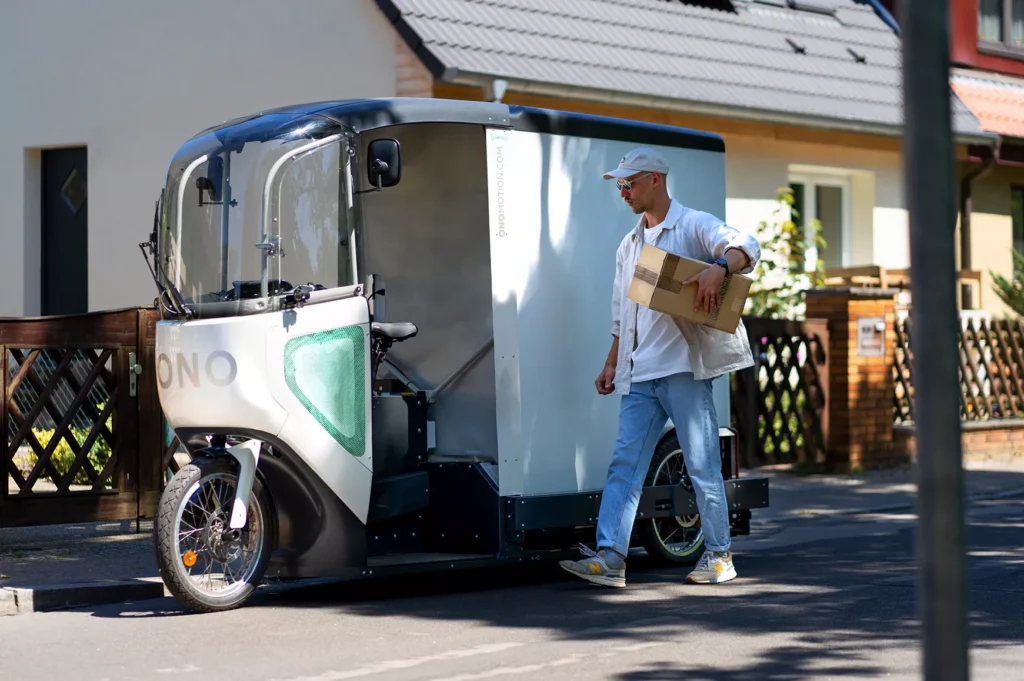
Veo is adding to that momentum with product updates aimed at underserved riders. Seated scooters now give older adults and people with mobility limitations a safer, more accessible option. The company is also piloting cargo and adaptive vehicles to handle trips that traditional bikes and scooters can’t.
The takeaway isn’t new tech, it’s new priorities. Cities that want fewer car trips don’t need more startups. They need long-term investment, thoughtful design, and policies that treat micromobility as essential infrastructure. The data’s in. The blueprint exists. Now it’s about execution.