



From EVs and batteries to autonomous vehicles and urban transport, we cover what actually matters. Delivered to your inbox weekly.
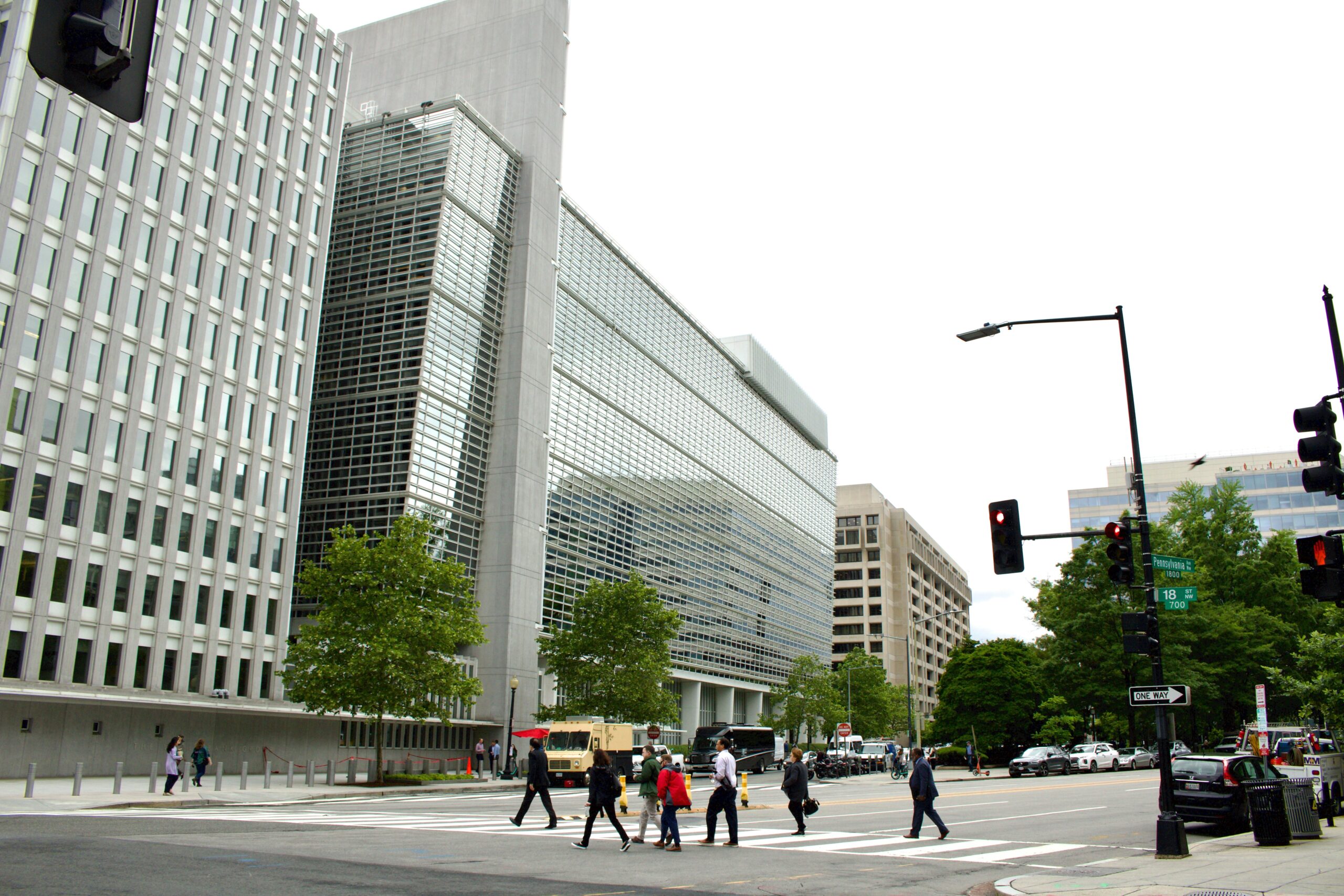
The hybrid consultation, held on July 24 at 1:00 PM GMT, was designed to bring in feedback from civil works contractors, transport infrastructure firms, and technology providers. While not a formal procurement launch, the session is a step toward shaping the tender for Douala’s first Bus Rapid Transit (BRT) pilot corridor and a series of urban road upgrades.
The World Bank and the government of Cameroon today opened early talks with the private sector on the Douala Urban Mobility Project, signaling the beginning of a large-scale infrastructure overhaul aimed at improving transport in the country’s busiest city.
Participants in the consultation were invited to weigh in on project design and signal their interest in future bidding. The scope appears to cut across multiple domains—civil engineering, intelligent transport systems (ITS), digital ticketing, telecom integration—suggesting a contract structure that may bundle or segment along specialties.
For the World Bank, this model reflects a steady shift toward market-informed infrastructure planning, especially in fast-growing cities where upfront coordination can reduce project delays. For the Cameroonian government, the project is likely a test case for scaling modern transit strategies in other metros.
While timelines for procurement have not yet been announced, today’s session suggests formal tenders could follow within the next year. How the feedback from this stage shapes the final contract structure will give clues to the project’s risk-sharing model, likely contract size, and technical ambition—all key signals for regional and global transport players watching the space.
Urban mobility projects in African cities backed by multilateral finance have seen a pattern: early market engagement, staged delivery, and heavy interest from global transport and telecom integrators. Douala is now in that pipeline.