

From EVs and batteries to autonomous vehicles and urban transport, we cover what actually matters. Delivered to your inbox weekly.

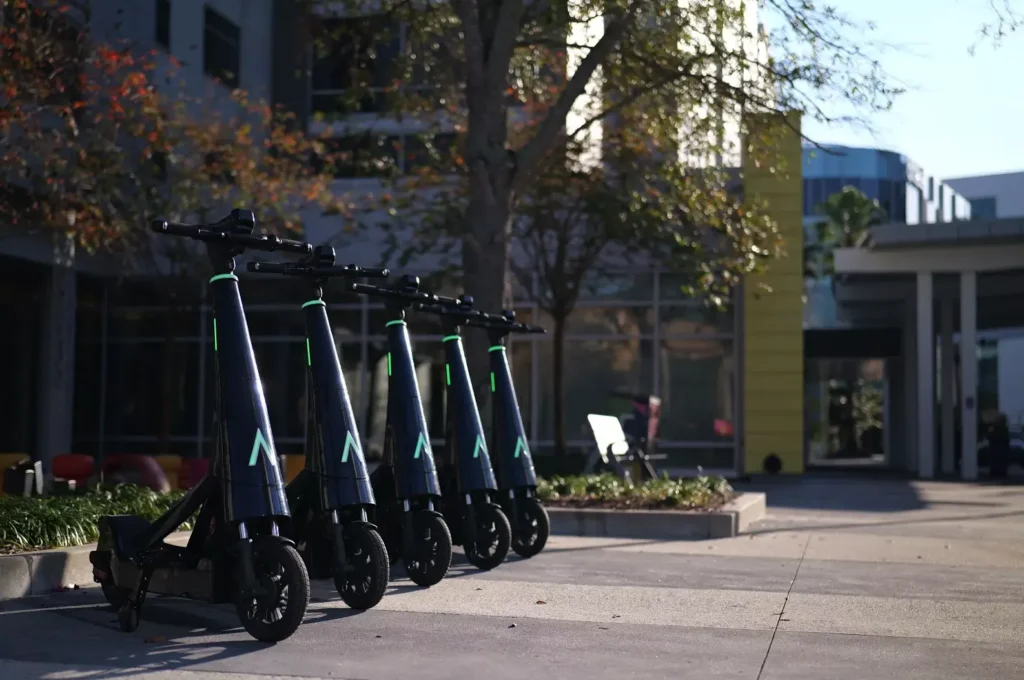
Neuron Mobility and Beam Mobility are merging to form the largest shared micromobility operator in the Asia-Pacific region, signaling a major consolidation move in a tightening market. The deal brings together two of the region’s best-funded and most expansive players, and is set to close within 60 days.
Despite the merger, both brands will continue to exist under a single corporate structure. Neuron CEO Zachary Wang will take over as Global CEO, while Beam’s CEO Alan Jiang will step into the role of Asia CEO.
The merger reflects intensifying pressure in the micromobility industry. Cities across Asia-Pacific are introducing stricter safety and parking regulations. At the same time, venture capital, once readily available for ambitious fleet expansions, is slowing.
Beam had raised $93 million in a Series B round in 2022, but capital flows across the sector have since cooled, prompting a shift from growth-at-all-costs to operational sustainability.
By combining operations, the newly formed entity gains scale just as profitability and compliance reach the top of the agenda. The move likely boosts negotiating power with city officials and regulators while enabling shared use of warehousing, maintenance, and charging infrastructure. It also positions the group to better compete with global players expanding in the region.
Other micromobility startups — especially those operating in fragmented or tightly regulated markets — will closely monitor this merger. The market isn’t shrinking, but barriers to standalone growth are rising. Partnerships and consolidation are becoming viable paths to scale and long-term survival.