



From EVs and batteries to autonomous vehicles and urban transport, we cover what actually matters. Delivered to your inbox weekly.

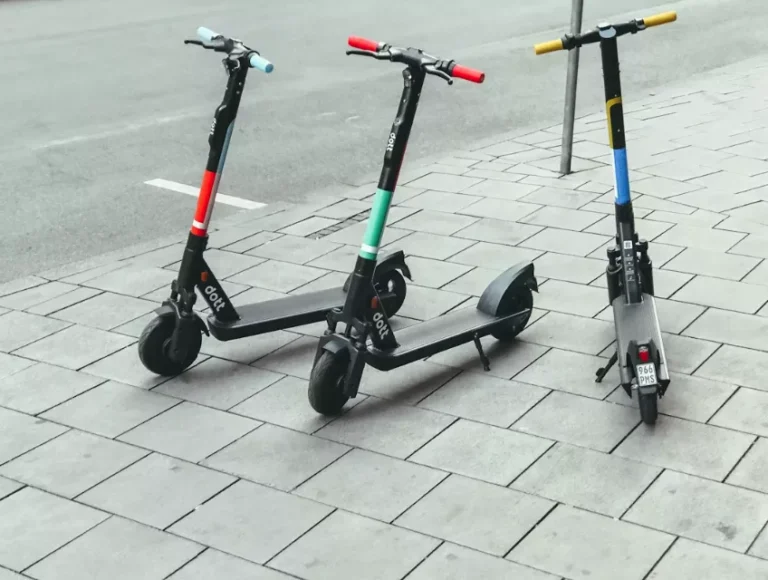
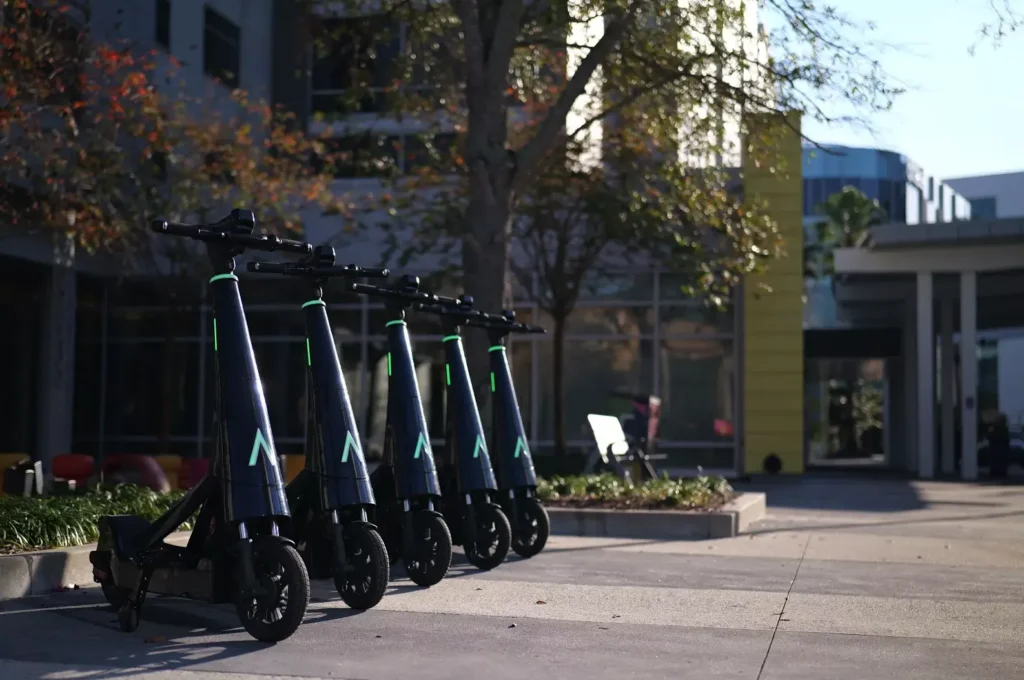
Local authorities in these neighborhoods point to repeated property damage, riding on sidewalks, and users bypassing security protocols. Residents have voiced concerns about high-speed riding in pedestrian zones and failure to follow any uniform standard of conduct. In response, private security teams have stepped in to enforce usage bans—an approach that satisfies immediate safety concerns but raises longer-term questions about personal mobility access and infrastructure readiness.
Micromobility remains a key mode of transit for many in heat-prone parts of the city where walking is particularly challenging. Residents of neighborhoods like Green Community DIP-1 stress the practical value of e-scooters, which can reduce 20-minute walks to under five minutes. As micromobility use grows among commuters, delivery workers, and students, the calls for measured governance are becoming louder.
Experts are urging the city to shift from reactive bans to structured oversight. Proposed measures include:
The Roads and Transport Authority (RTA) has taken incremental steps. In October 2025, it reapproved folded e-scooters aboard the Dubai Metro under strict conditions—a signal that regulated integration, not exclusion, may be the longer-term strategy.
Dubai now faces a pivotal decision: design a system that can safely accommodate micromobility, or continue imposing piecemeal bans that stall its progress. For a city betting heavily on tech-driven, sustainable transport, the answer likely hinges on how quickly and effectively it can adapt infrastructure and policy to match the mode’s growing complexity.
“`