




From EVs and batteries to autonomous vehicles and urban transport, we cover what actually matters. Delivered to your inbox weekly.
Just recently, President Trump revoked California’s 2035 EV mandate and weakened national emissions rules for trucks. It’s the biggest policy reversal in U.S. mobility since the Inflation Reduction Act. And the ripple effects are global.
While automakers like GM and Toyota quietly backed the move, California and allied states are gearing up for a legal brawl. Meanwhile, the EU and China are doubling down on electrification, leaving the U.S. caught in a policy tug-of-war.
Let’s unpack what this rollback means for automakers, climate goals, and the global EV race. ⚡️
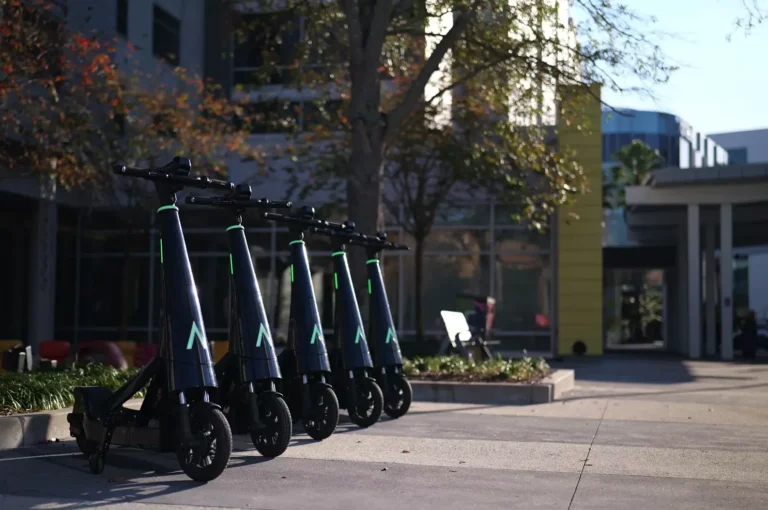
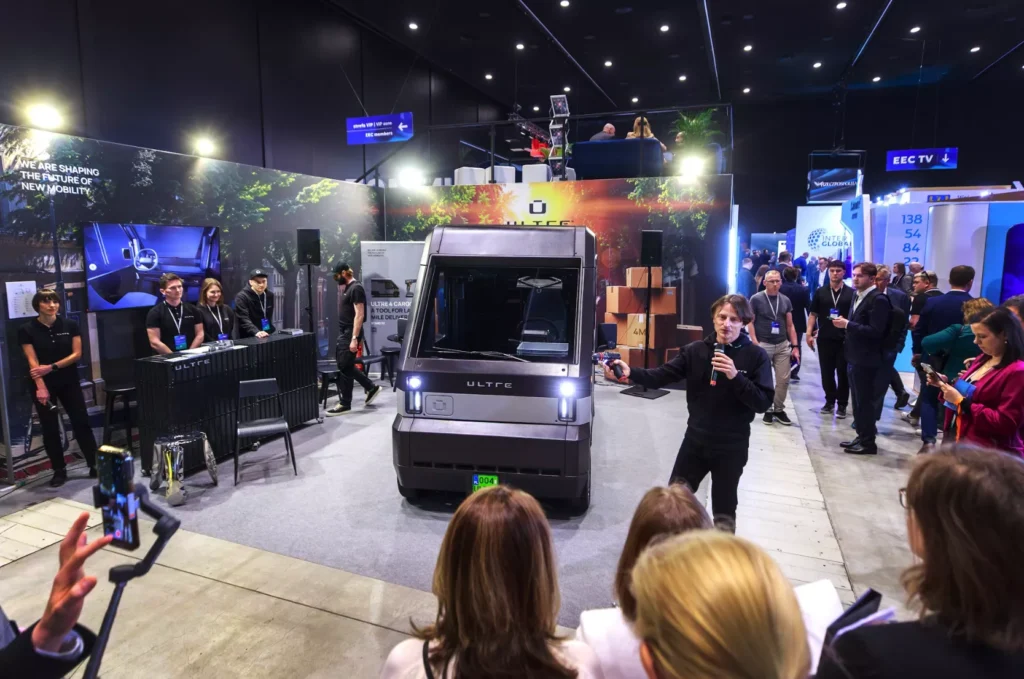
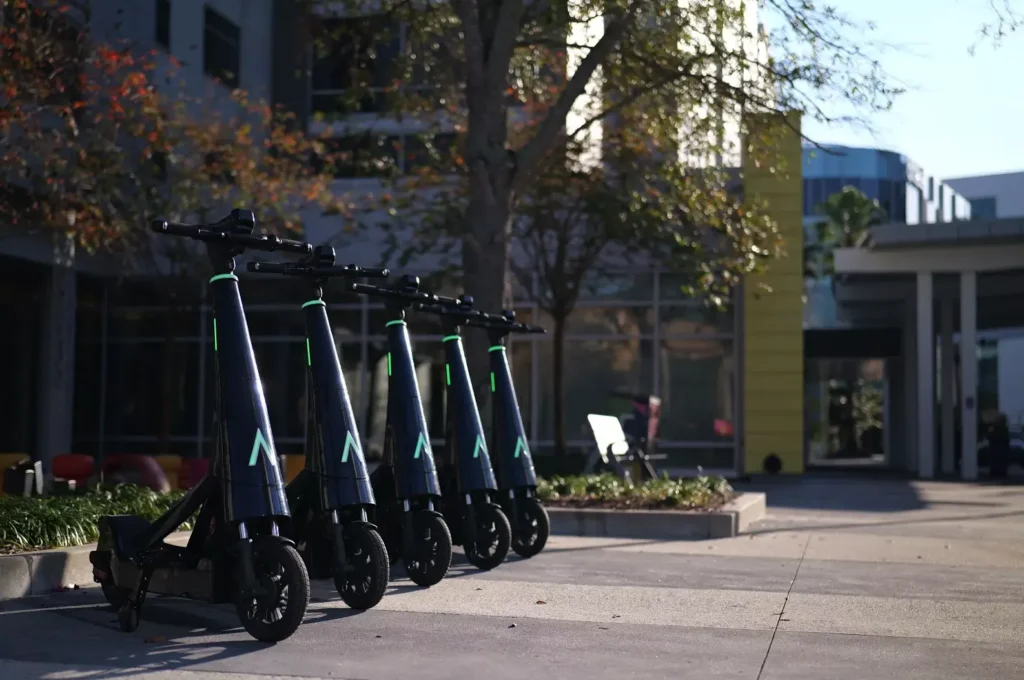
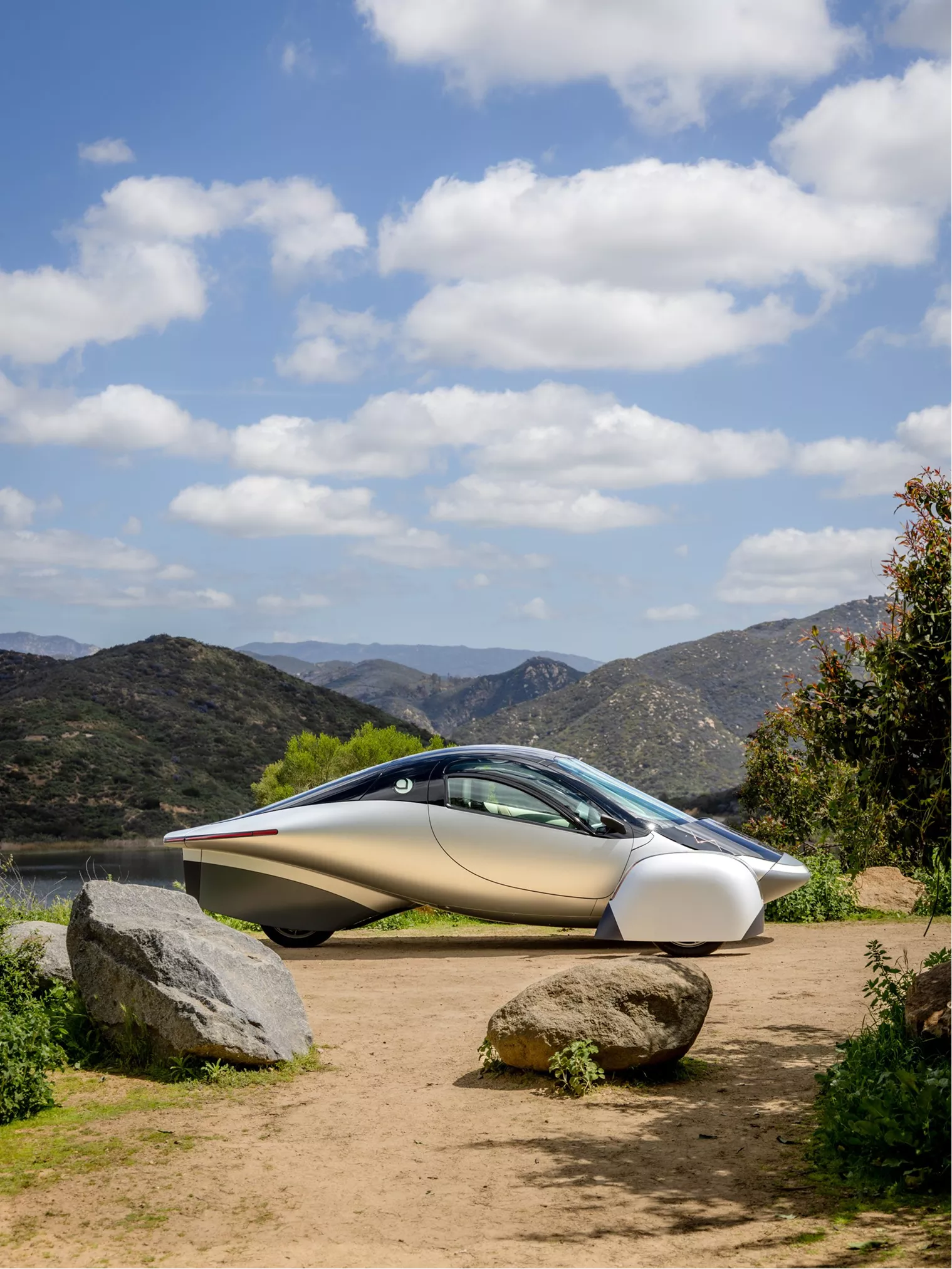
EV innovation means rethinking how we move in cities. That’s where TUGA Innovations comes in.
Their ultra-compact, high-performance EVs are designed for dense urban environments, offering a smarter, more efficient alternative to traditional cars. With a retractable wheelbase and modular design, TUGA is proving that smaller can be better when it comes to city mobility.
Could EVs like TUGA be the real future of urban transport? Check them out here.
California’s Air Resources Board (CARB) pioneered zero-emission mandates:
We have some catching up to do.
📉 GM Cuts EV Investments
Following the rollback, GM delayed production targets for several Ultium-based models and quietly shelved an upcoming Bolt EUV refresh. Executives cited “regulatory uncertainty.” (Reuters)
🌍 EU Ramps Up EV Push
Brussels finalized new CO₂ thresholds for vehicles sold after 2027. ICE vehicles that exceed the limit face stiff tariffs, forcing automakers to electrify or exit. (ICCT)
🇭🇺 BYD Opens €248M R&D Hub in Hungary
China’s EV giant expands its European footprint with a new R&D center in Budapest focused on smart driving tech and electric powertrains — cementing long-term bets on the region’s EV transition. (Karmactive)
🚛 Truck Emission Loopholes Widen
Congress and the EPA revoked California’s clean truck waivers, freezing stricter rules. Analysts say it could lock in diesel dominance through 2035 and stall zero-emission freight progress. (Trucking Dive)
📱 Tesla Leans Into OTA Updates
Tesla launched a $2,000 acceleration boost for the refreshed Model Y in May 2025, signaling a deeper shift toward paid software features and subscription-based revenue. (Car Edge)
Let’s bust some myths.
🚫 Reality: California may be just one state, but its emissions standards shaped the U.S. auto market for decades.
🚫 Reality: Some did — but many are now regretting the optics and uncertainty.
🚫 Reality: While the U.S. backpedals, China and Europe are accelerating.
🚫 Reality: It’s mostly about politics and legacy interests.
🛑 “As America Steps Back, Others Step In”
This powerful article from The Atlantic analyzes how the rollback of U.S. EV and emissions policies risks ceding global climate tech leadership — not just once, but twice. It’s a must-read for anyone tracking how federal shifts are reshaping the global mobility landscape.
The U.S. auto industry just lost its biggest tailwind. While some legacy players may breathe easier without California’s pressure, they’ll soon face tougher questions:
🚗 Will consumers still want ICE cars in 2030?
🌍 Can U.S. brands compete in Europe or China without regulatory alignment?
⏳ Are the US policymakers betting on the past while the rest of the world builds the future?
📬 Hit reply and tell us: Is this a setback — or a setup for the next pivot?