




From EVs and batteries to autonomous vehicles and urban transport, we cover what actually matters. Delivered to your inbox weekly.
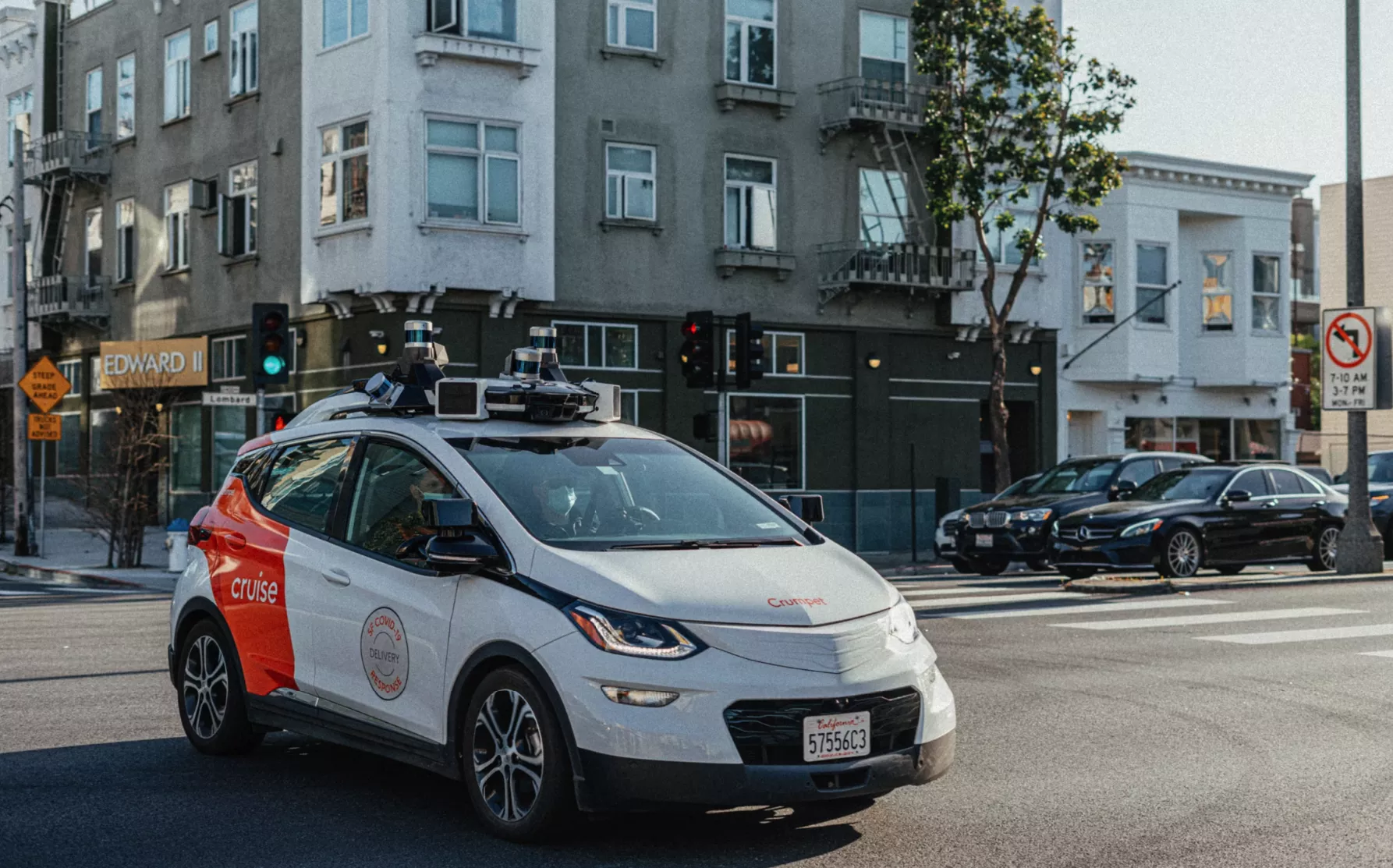
The U.S. Department of Transportation has finalized a sweeping update to federal rules, allowing autonomous vehicles without steering wheels or pedals to operate under a unified national standard. This clears a critical regulatory path for self-driving developers to move beyond local pilots and patchwork exemptions.
Taking effect in spring 2026, the new rules revise federal motor vehicle safety standards in three areas: transmission operation, visibility, and lighting. These updates remove legacy requirements, like gear shifts and mirrors, that don’t apply when no human driver is onboard.
That’s the signal: Fully driverless vehicles are no longer a novelty. The federal government now sees them as road-ready.
The rules also simplify the process for companies to deploy up to 2,500 non-compliant autonomous vehicles per year under an updated exemption framework. While capped in volume, it provides a faster path to real-world pilots without forcing a full overhaul of safety regulations.
Equally important, the national standard cuts through the legal complexity of state-by-state rules. Developers can now design around a single federal baseline, rather than customizing for dozens of local jurisdictions, saving time, reducing compliance risk, and speeding commercialization.
Crucially, the regulation targets the most advanced class of autonomous systems, those that eliminate the driver. And it marks a clear shift in federal posture: Washington intends to write the AV playbook, instead of letting the states do it piecemeal.
With a defined timeline and streamlined exemption path, automakers now have a concrete planning window for Level 4 and Level 5 launches. As the tech matures, it’s policy, not engineering, that will determine how fast driverless vehicles scale.