

From EVs and batteries to autonomous vehicles and urban transport, we cover what actually matters. Delivered to your inbox weekly.
At 7:30 a.m. in a busy European city, a courier rolls out for the first run of the day. The scooter is quiet, quick off the line, and cheap to run. None of that matters if it cannot finish the shift. A battery that will not charge, a part that is out of stock, or a repair that drags on for days turns the electric case into lost time and lost income.
That is where Europe’s electric two-wheeler market is now.
The bikes are no longer the novelty. The real question starts after the sale: whether charging fits a real schedule, whether service is close enough to matter, and whether support still holds up once the vehicles are used hard every day.
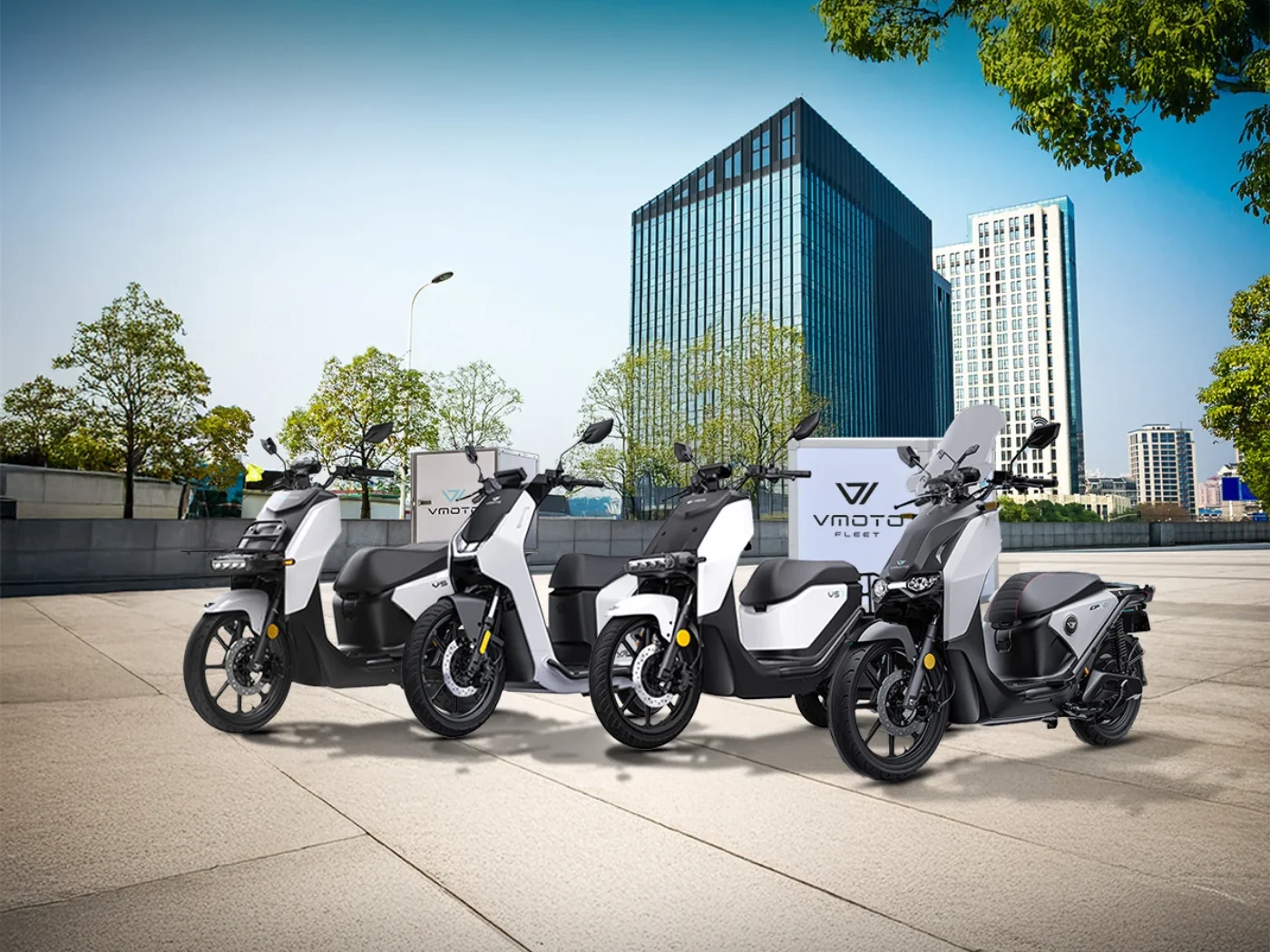
That is where Vmoto becomes worth watching. Rather than leaning on one standout feature, it has built a range around everyday urban use, from commuter scooters like the CPx to fleet-focused VS models and faster options like the TC Max and Stash.
The timing matters too. Vmoto’s 2024 annual report said total unit sales fell 32 percent year over year to 17,038. Its FY2025 market update showed the pressure continued, with unit sales falling again to 12,584. The question now is not whether the brand can get attention, but whether its operating model can hold up in a tougher market.
That matters in Europe, where electric two-wheelers are being judged less on launch appeal and more on uptime, service coverage, and how well they fit real urban routines.
In this deep dive, we look at how Vmoto operates in Europe, which models matter most for city riding and delivery work, and what its fleet activity suggests about real demand. We also compare Vmoto with brands like NIU and Silence to see where its approach looks strongest today and where the next constraints are likely to show up.
Let’s get it.
A lot of electric mobility coverage still focuses on the visible layer – new technology, new brands, and new regulation. On the street, the problem is simpler. People need a vehicle that can handle short urban trips all week without becoming difficult to charge, maintain, or trust.
That means dealing with stop-start traffic, tight parking, bad weather, and routes that rarely stay simple. For delivery riders, the key question is whether the scooter stays in service. For businesses, it is whether costs stay predictable. For private riders, it is whether the vehicle feels safe, practical, and easy to live with.
Charging is often where the friction starts. Many city riders do not have a garage, a private plug, or a dependable place to leave a scooter overnight. In that context, home charging is not a default. It is a constraint.
This is where Vmoto fits. Its range is built around frequent short trips, dense streets, and riders who care less about spec-sheet arguments than whether the vehicle keeps working day after day. That is the problem Vmoto is trying to solve – repeated short-distance use in real city conditions.
Vmoto has been in electric two-wheelers long enough to learn the operational lessons that shape this market. Product appeal matters, but it only carries a brand so far. What keeps riders and fleets around is whether the vehicles stay in service, whether parts arrive on time, and whether support feels local when something goes wrong.
That is what makes Vmoto worth studying in Europe. Its relevance comes less from one standout feature and more from how it operates across product, distribution, and aftersales support.
The timing matters too. Vmoto has reach and experience, but it is not operating from a position of easy momentum. Its 2024 annual report says total sales fell to 17,038 units, down 32 percent year over year, while international sales fell to 13,351, down 26 percent. Preliminary 2025 results suggest the pressure continued. That shifts the story away from simple expansion and toward execution, resilience, and whether the operating model still holds up in a tougher market.
A big part of that story is brand control. For years, many riders first encountered the company through Super Soco. In 2024, Vmoto unified VMOTO, SUPER SOCO, and E-MAX under the single Vmoto brand. That is more than a cosmetic move. It gives the company clearer ownership of pricing, positioning, and aftersales accountability, which matters more in Europe than a cleaner logo ever will.
The operating model itself is fairly straightforward. Vmoto manufactures from its 30,000 square metre facility in Nanjing and sells internationally through a distribution network rather than one direct-to-consumer playbook. In its 2024 annual report, the company said its global distribution network stood at 76 distributors across more than 90 countries.
That does not prove strength in every market. It does explain how Vmoto has positioned itself. In Europe, the company makes the most sense when viewed through coverage, continuity, and day-to-day usability rather than one headline feature. That is what makes it more relevant in practical commuter and fleet use cases than in the more hype-driven corners of the category.
For years, many riders were more likely to recognize Super Soco than the company behind it. Vmoto often sat further in the background, even as it handled manufacturing, distribution, and support across multiple markets.
That changed more formally in early 2024. In its 2024 annual report, Vmoto said it unified E-MAX, Super Soco, and Vmoto under a single Vmoto brand, covering existing and new models, its wider e-mobility solutions, and its corporate identity. The company said the move was meant to present a stronger, more unified identity and reach end customers more clearly and directly.
In practice, that should make the customer relationship easier to understand across product, dealer, and support touchpoints. In Europe, where buyers still rely heavily on local sales channels and aftersales confidence, one brand is easier to explain than a patchwork of legacy names.
It also gives Vmoto more control over pricing, product roles, and support expectations across markets. That does not guarantee better execution, but it reduces some of the confusion that comes from splitting recognition across multiple badges.
For buyers and fleet operators, the benefit is straightforward – one clearer brand story, one more visible counterpart, and fewer blurred lines between the vehicle, the sales channel, and the support promise.
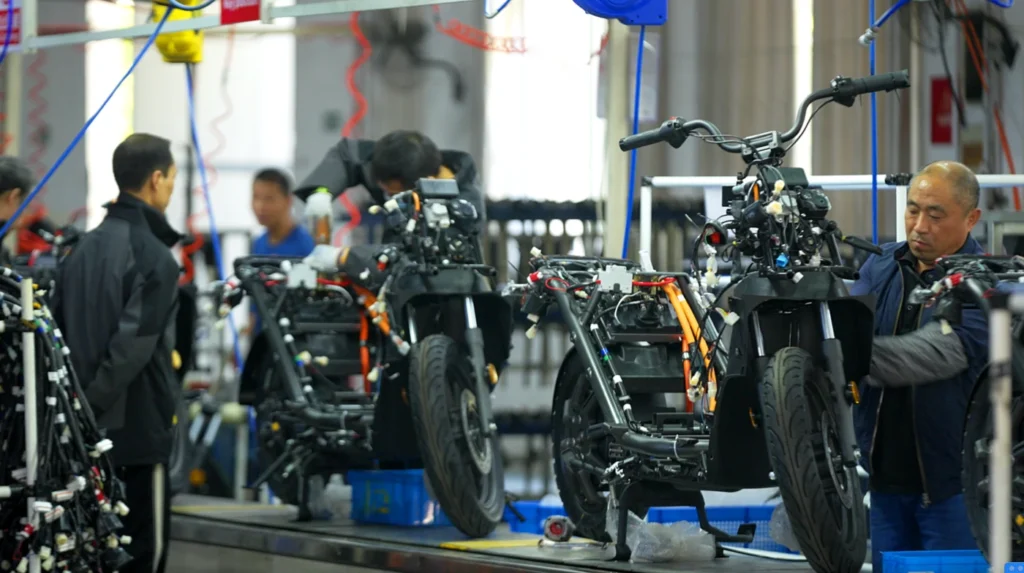
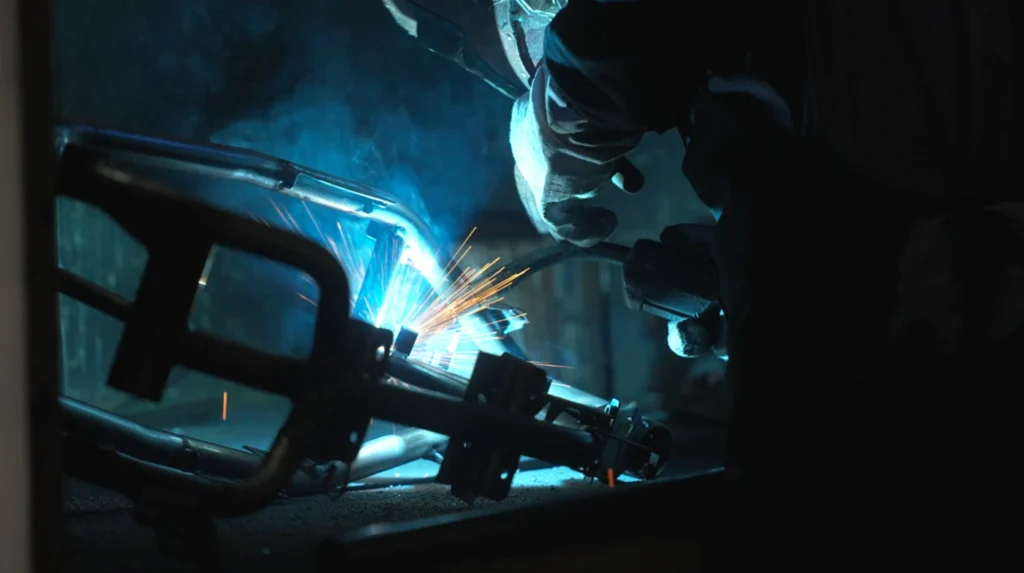
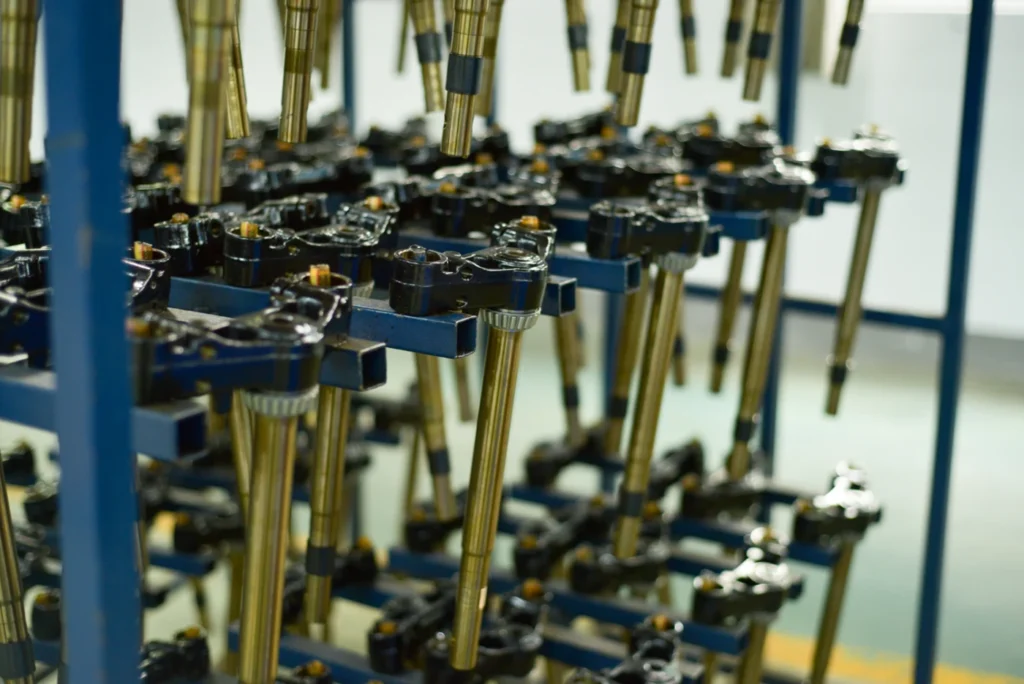
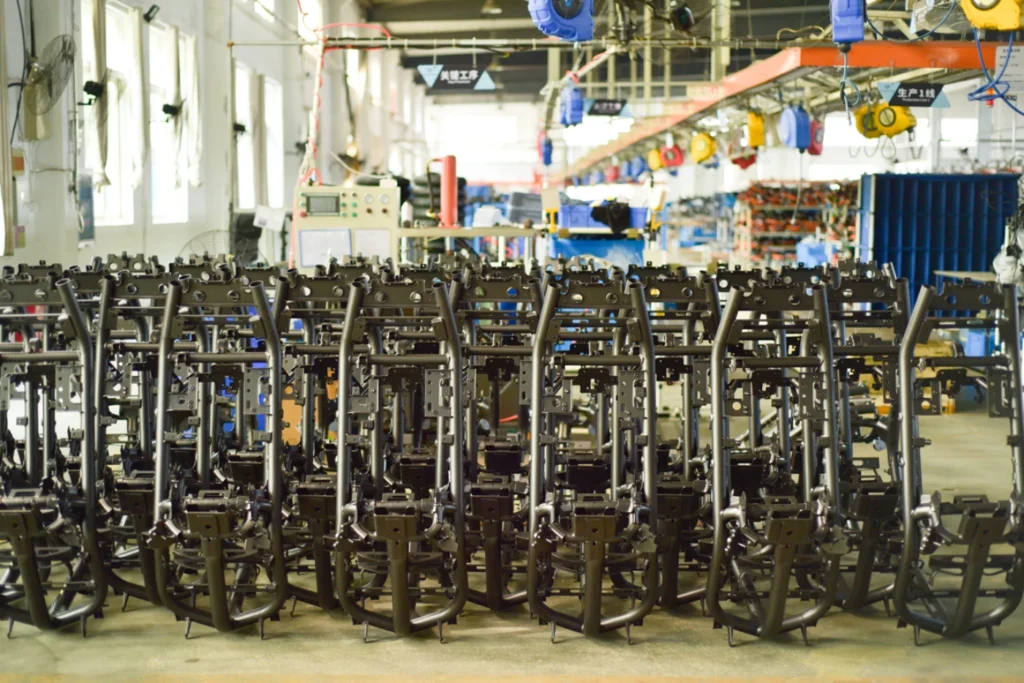
Vmoto’s manufacturing model is relatively straightforward. The company says its current factory in Nanjing covers 30,000 square metres, and its wider business is built around manufacturing in China and selling internationally through distributor, dealer, and fleet channels. That gives Vmoto the structure of a volume player rather than a niche assembler.
The harder part starts after the vehicle reaches the customer. For any brand building far from the end market, the pressure shifts to parts flow, warranty handling, shipping lead times, and repair turnaround. In electric two-wheelers, those back-end details often shape the ownership experience more than the launch itself.
That matters even more in fleet use. A scooter only looks affordable while it stays in service. Once a vehicle sits idle waiting for a part, a battery decision, or a workshop slot, the economics start to change.
A few operational realities matter most in this category:
Vmoto does have experience operating in this structure, and that counts. But the broader commercial pressure is real. In its 2024 annual report, the company said revenue fell to $57.2 million, while its global distribution network stood at 76 distributors across more than 90 countries. That leaves the next question less about manufacturing capacity and more about execution: whether support, supply, and service can stay consistent as competition and pricing pressure intensify across Europe.
In electric two-wheelers, scale is less about how many units leave the factory and more about how In electric two-wheelers, scale is less about how many units leave the factory and more about how many stay in service once daily use begins. That is the harder test, especially in Europe, where riders and fleet operators judge a product through uptime, parts access, and local support.
The real scaling test sits across a few systems at once:
The risk is straightforward. A company can scale sales faster than it scales the support experience. When that happens, the product may stay the same while the ownership experience starts to vary from market to market.
That is why distribution control matters. If too much of the customer experience sits with third parties, slow parts, uneven warranty handling, or inconsistent workshop quality can quietly weaken trust.
For Vmoto, the challenge is not only getting more vehicles into more countries. It is keeping the support experience consistent across those countries once the scooters are in daily use.
Vmoto’s range covers everything from compact city mopeds to faster, 125cc-equivalent scooters and commuter bikes. What matters more than the size of the catalog is how clearly it maps to real urban use in Europe.
Most of the lineup falls into two practical lanes:
That split helps explain why Vmoto shows up in both fleet programs and private ownership. The company is trying to prove itself first with the riders and operators who notice inconvenience fastest, then carry that credibility into the consumer side.
The next step is to look at the models that matter most in Europe and what they reveal about where Vmoto is putting its weight.
Vmoto’s lineup makes the most sense when grouped by actual use. In Europe, a smaller set of models carries most of the weight: commuter scooters for daily city riding, fleet-focused machines built for repeated stop-start work, and a handful of motorcycle-style options for riders who want more speed and a more familiar riding position.
That smaller group is where Vmoto’s strengths show up most clearly, and where its European strategy becomes easiest to read.
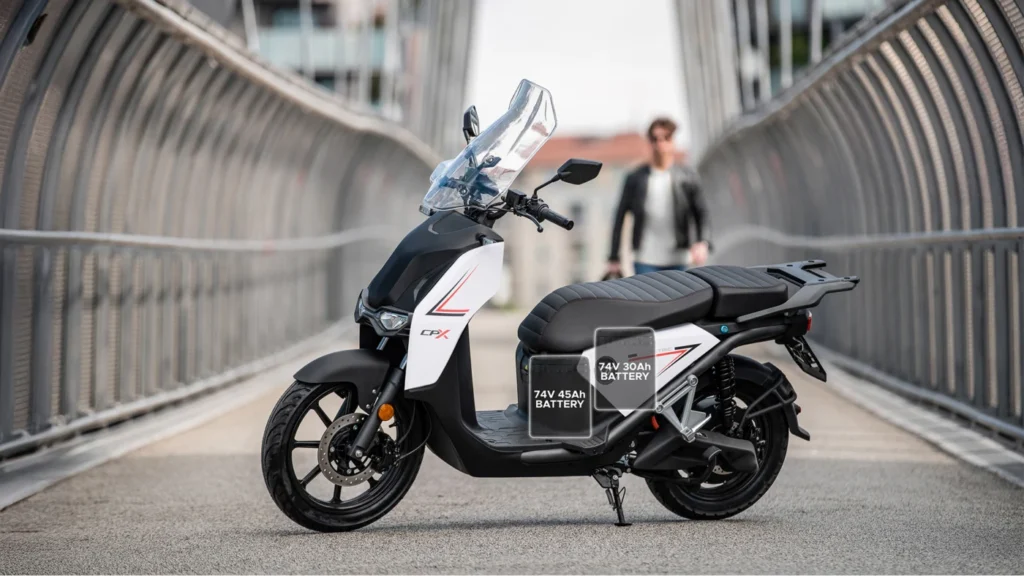
The CPx is the clearest all-rounder in Vmoto’s range. It fits the kind of riding that defines a lot of European city use: commuting, errands, delivery work, and regular trips that move between slower streets and faster urban connectors. If one model has to cover the broad middle of daily scooter life, this is usually the one.
What makes the CPx especially practical is the dual-battery setup. It gives riders a straightforward way to stretch the scooter for longer or harder daily use without moving up to a different class of vehicle.
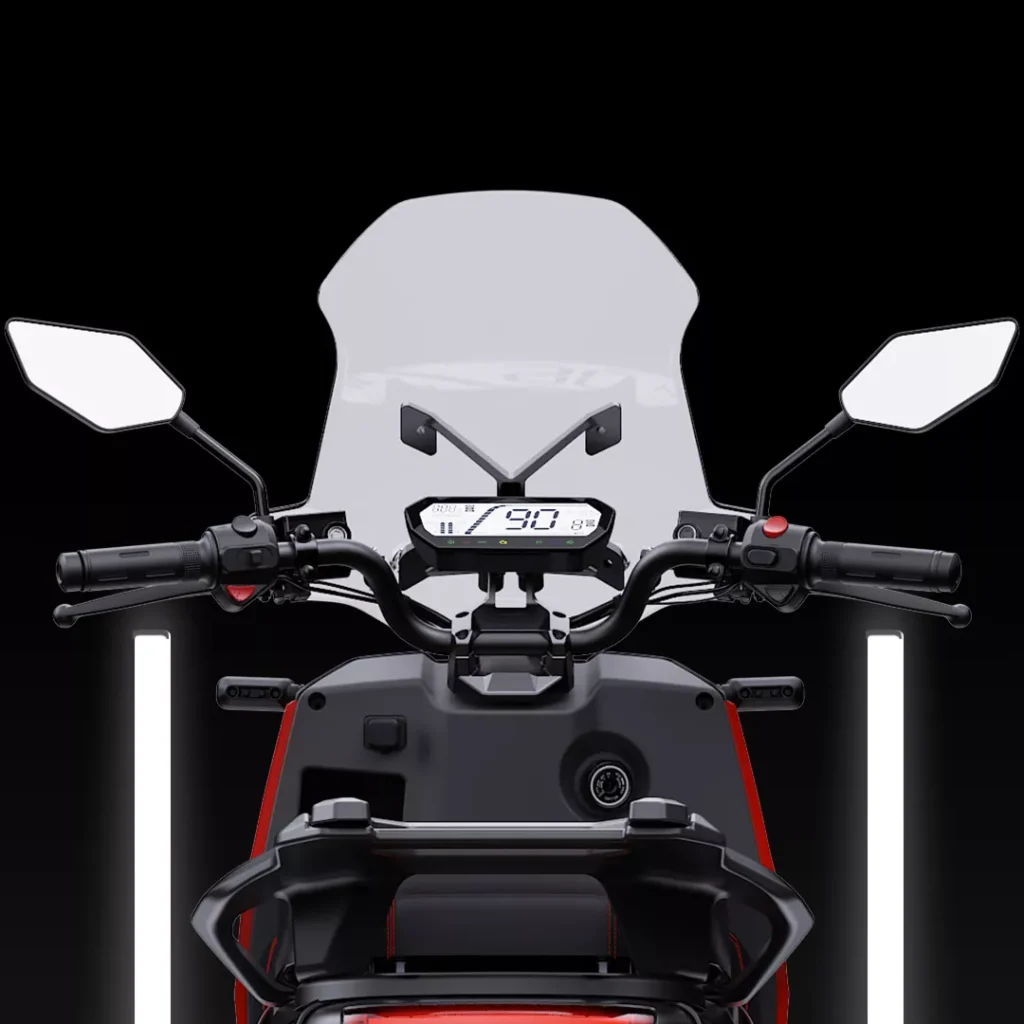
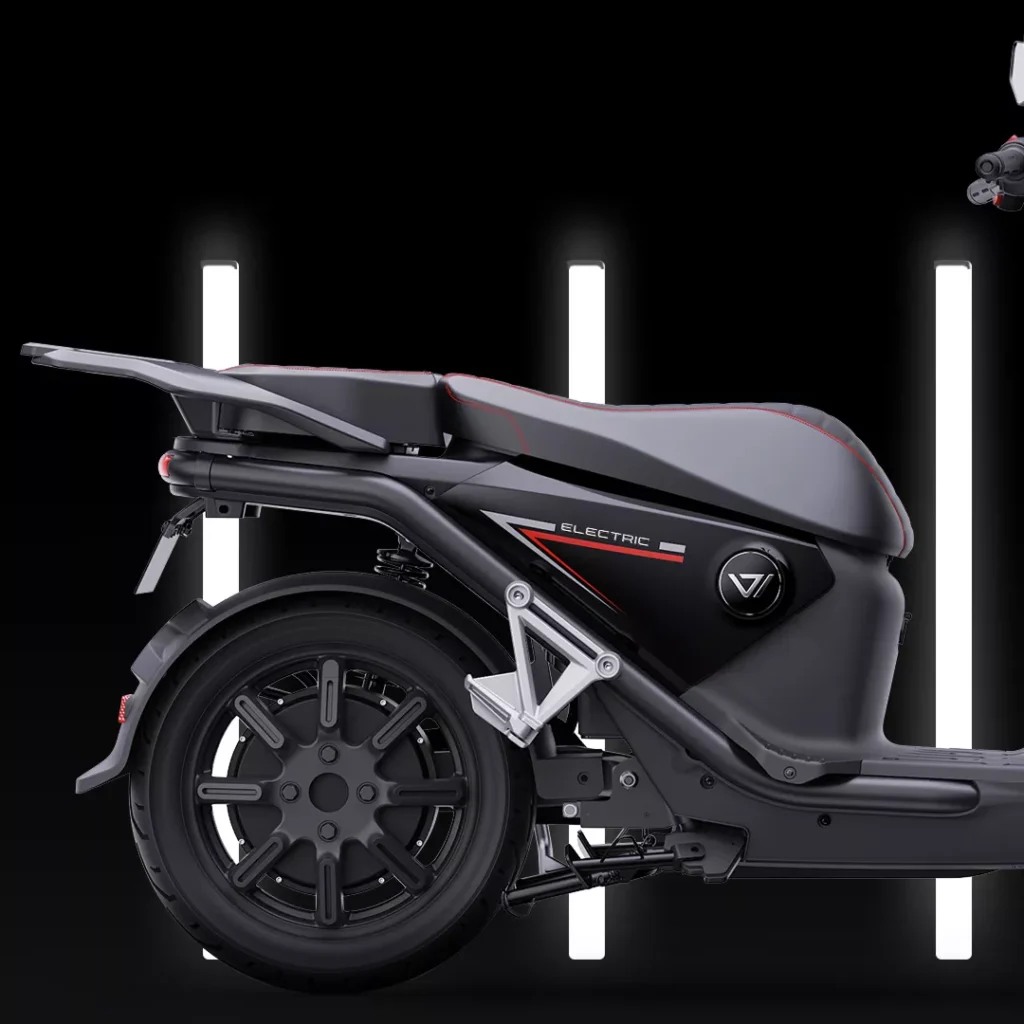
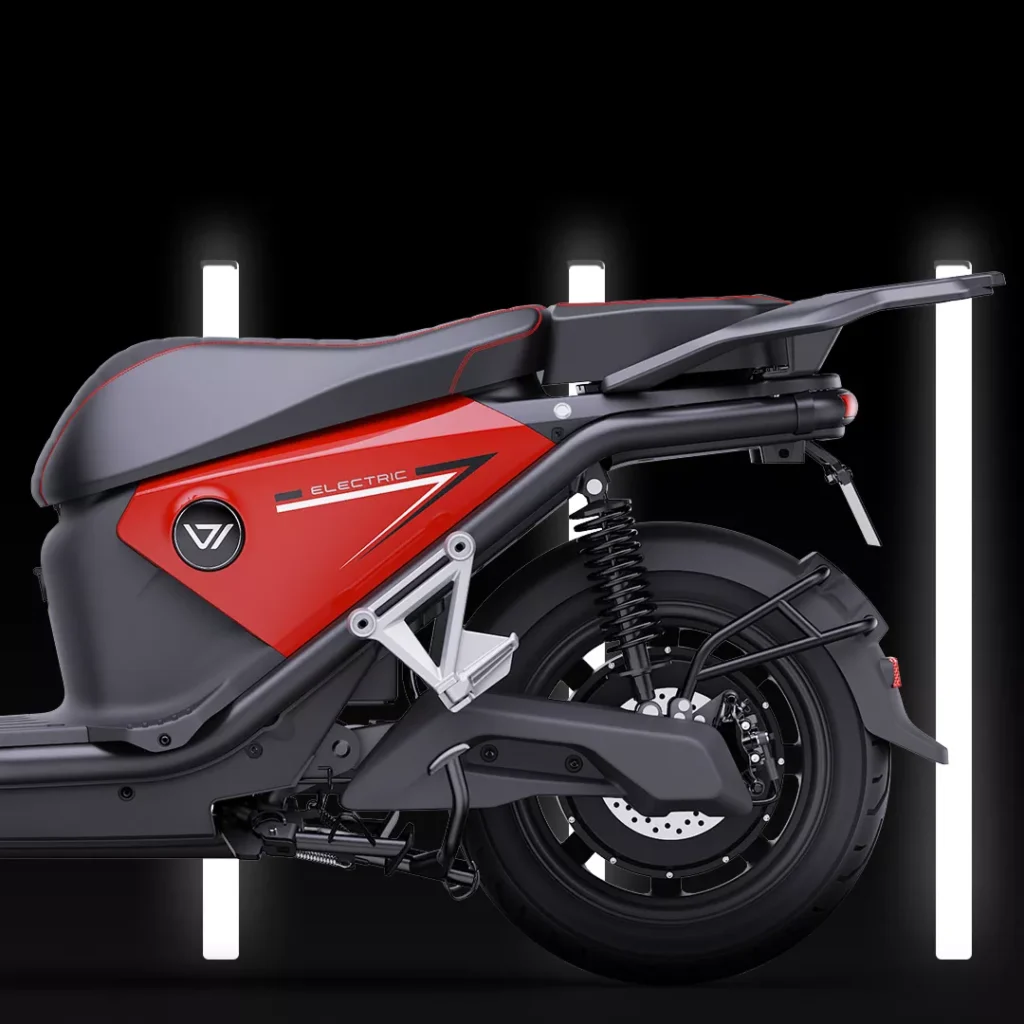
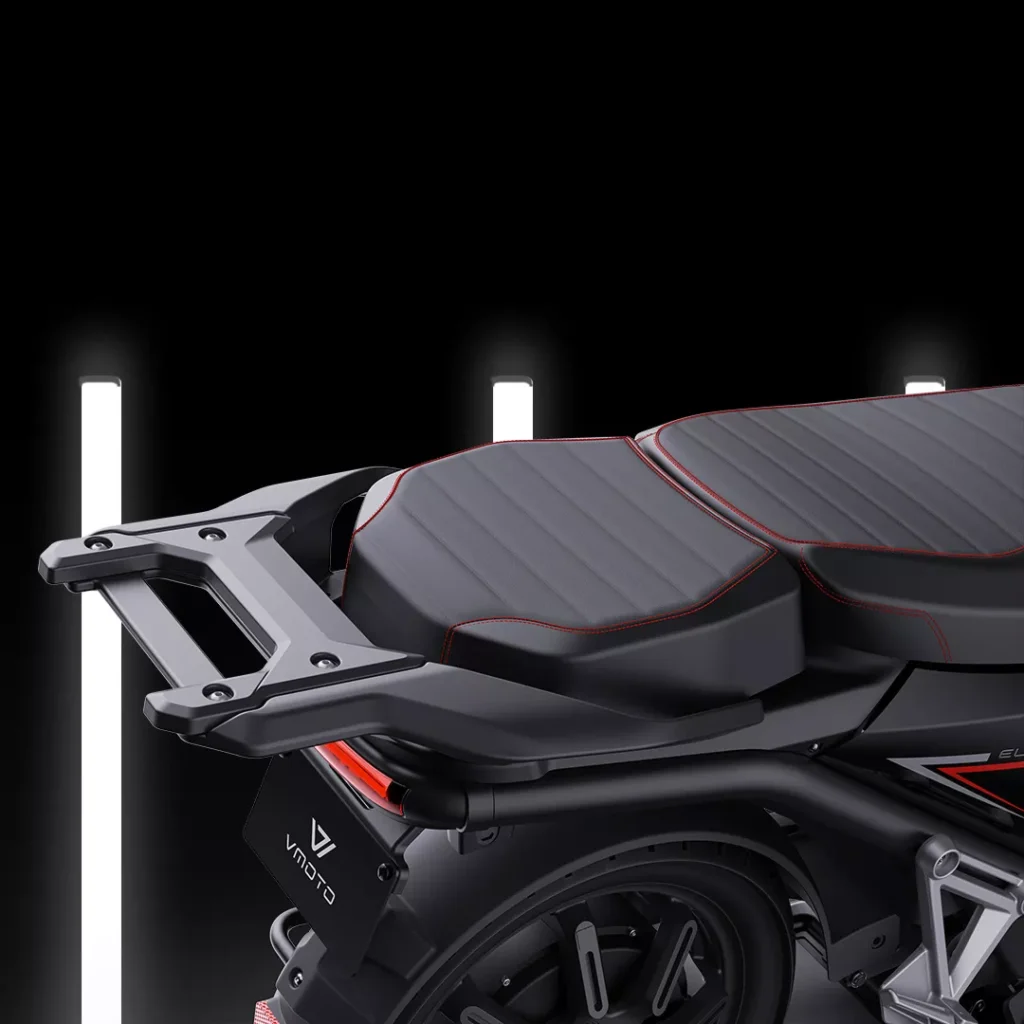
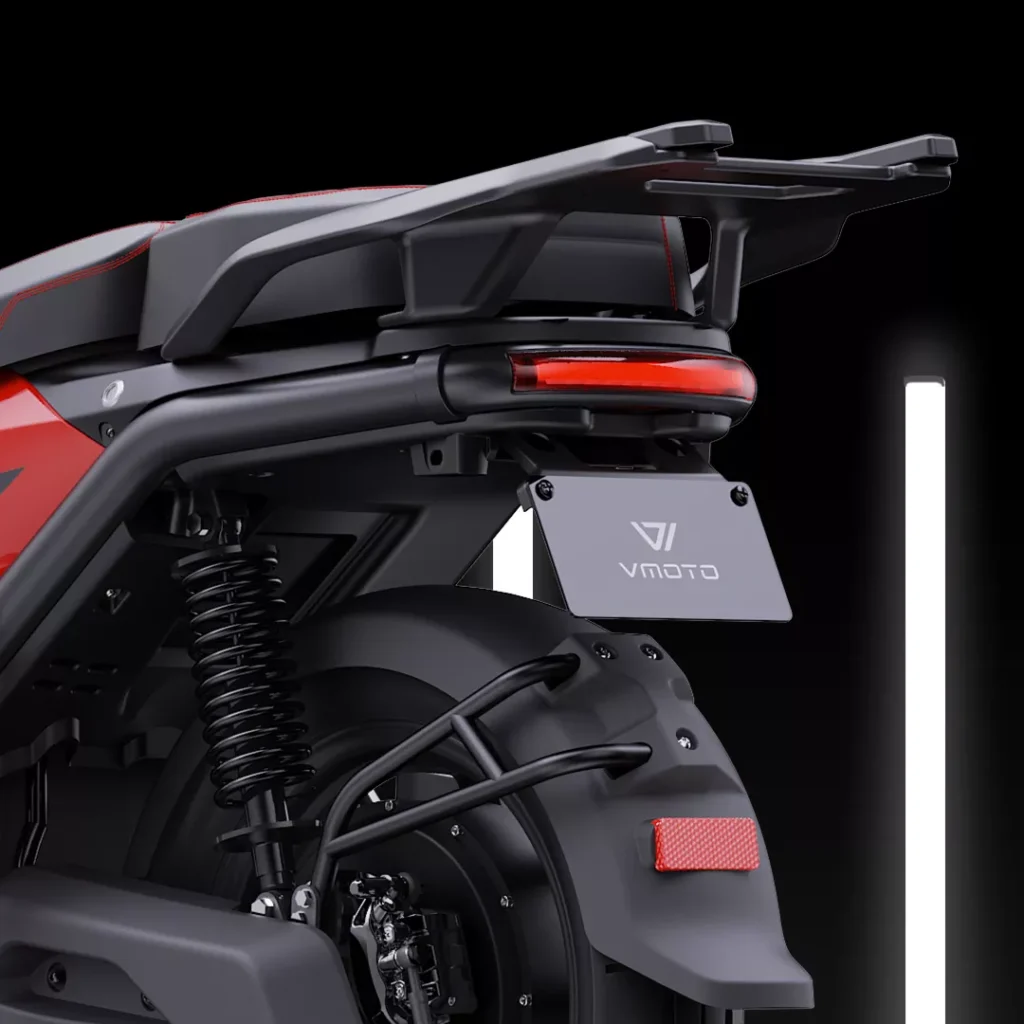
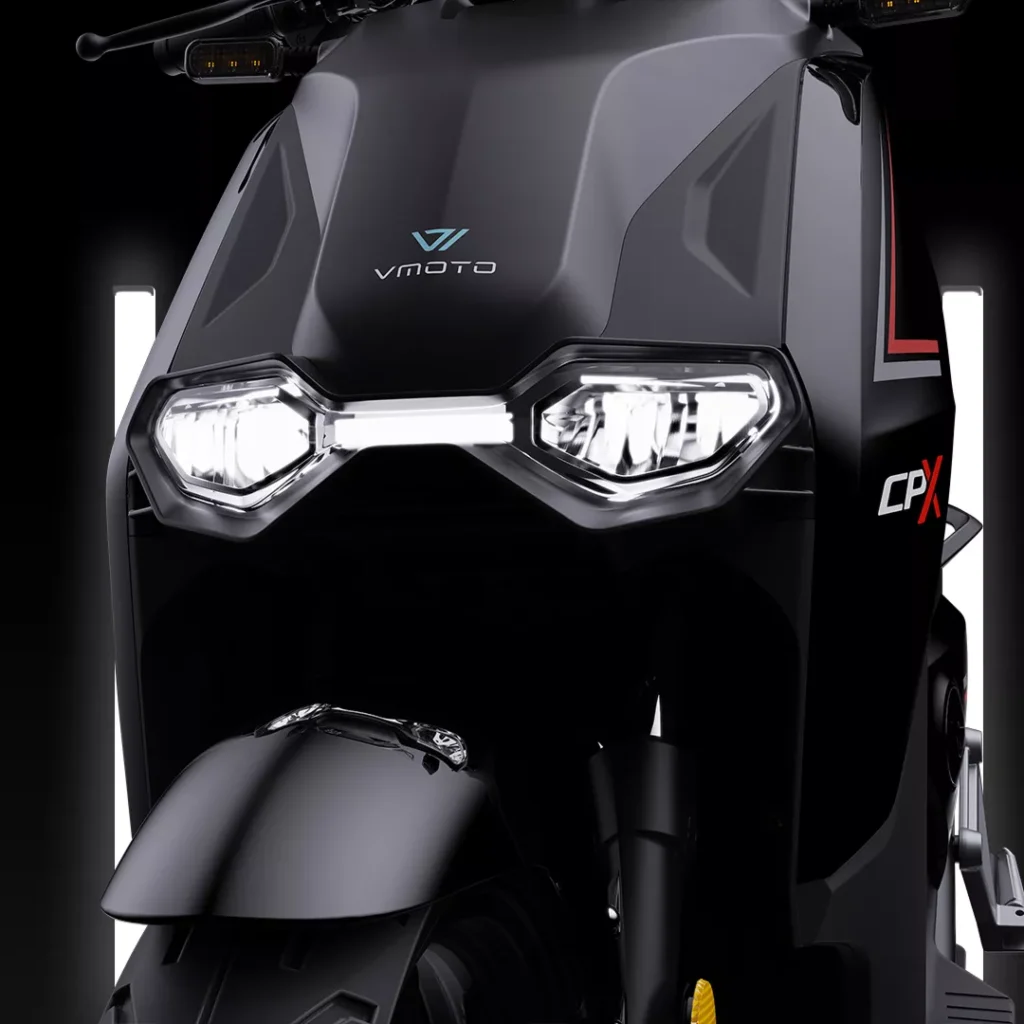
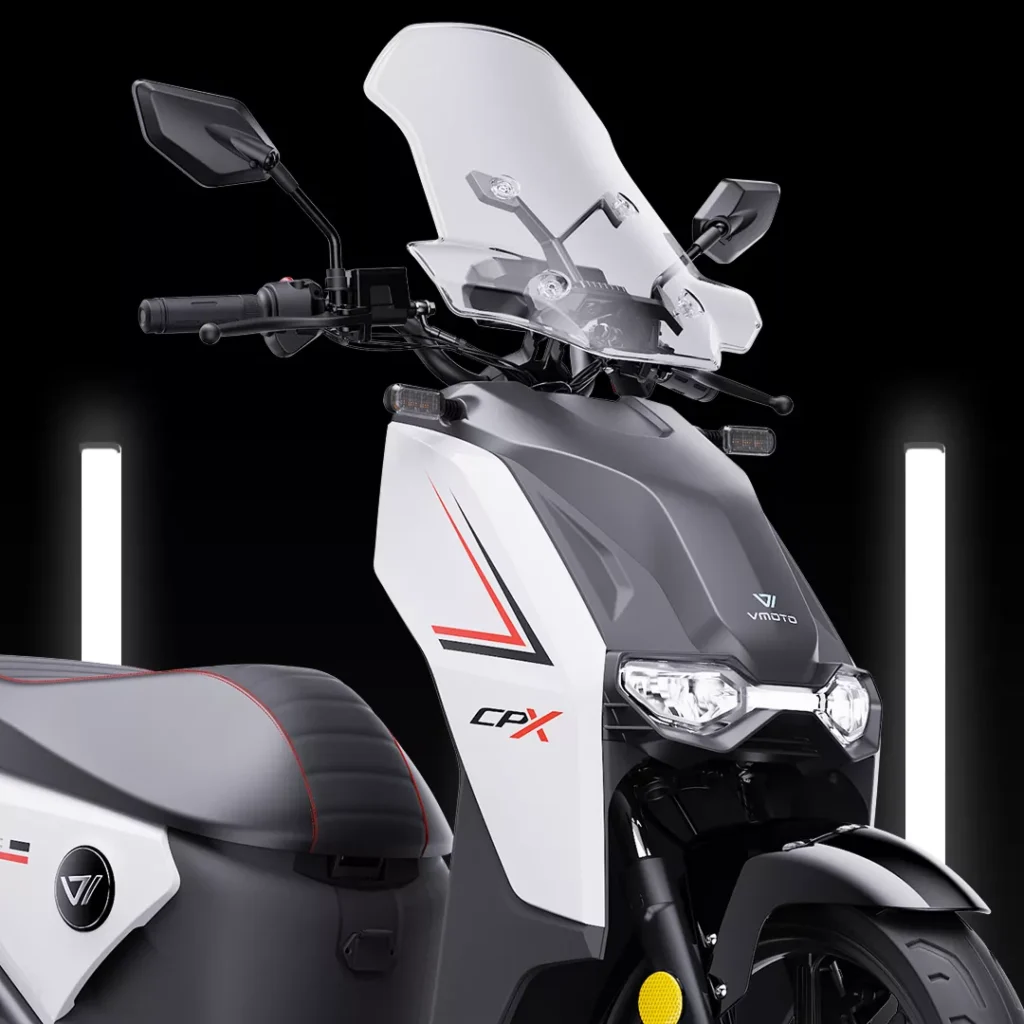
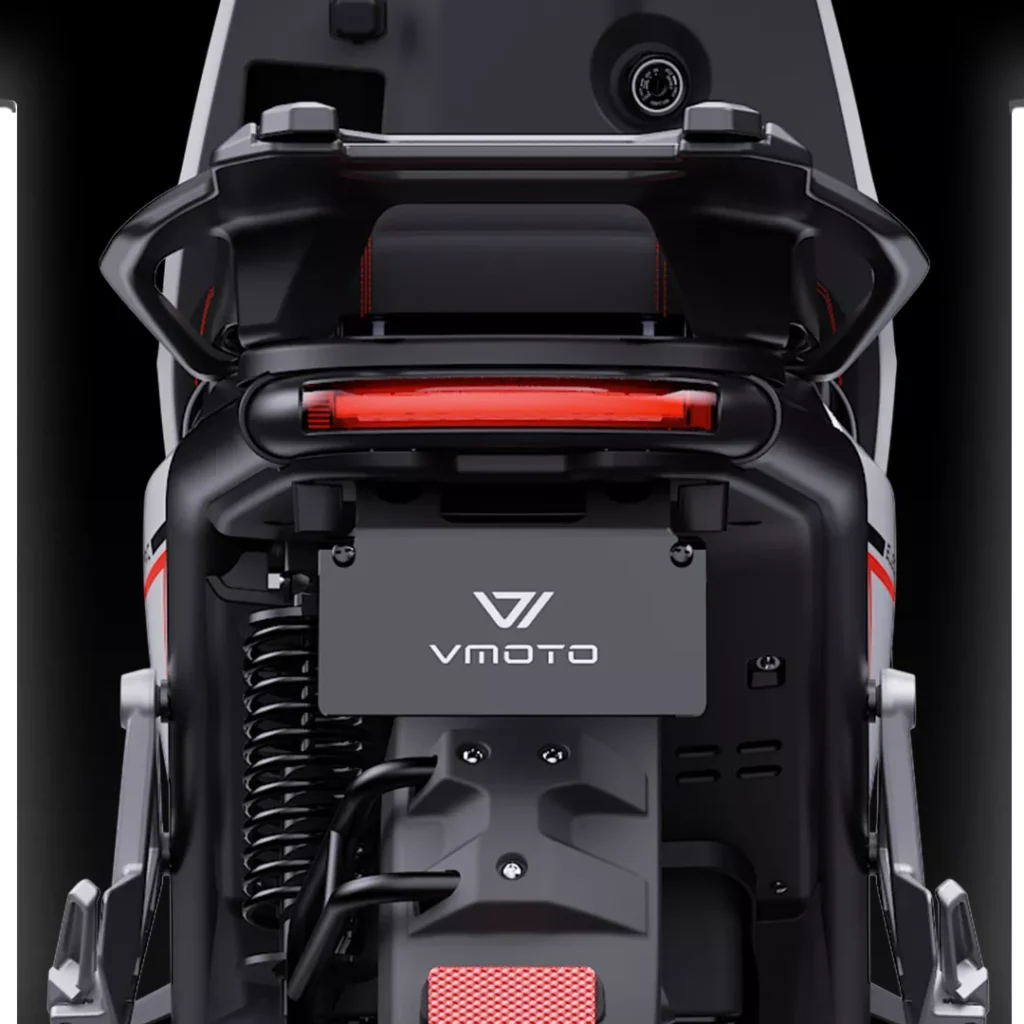
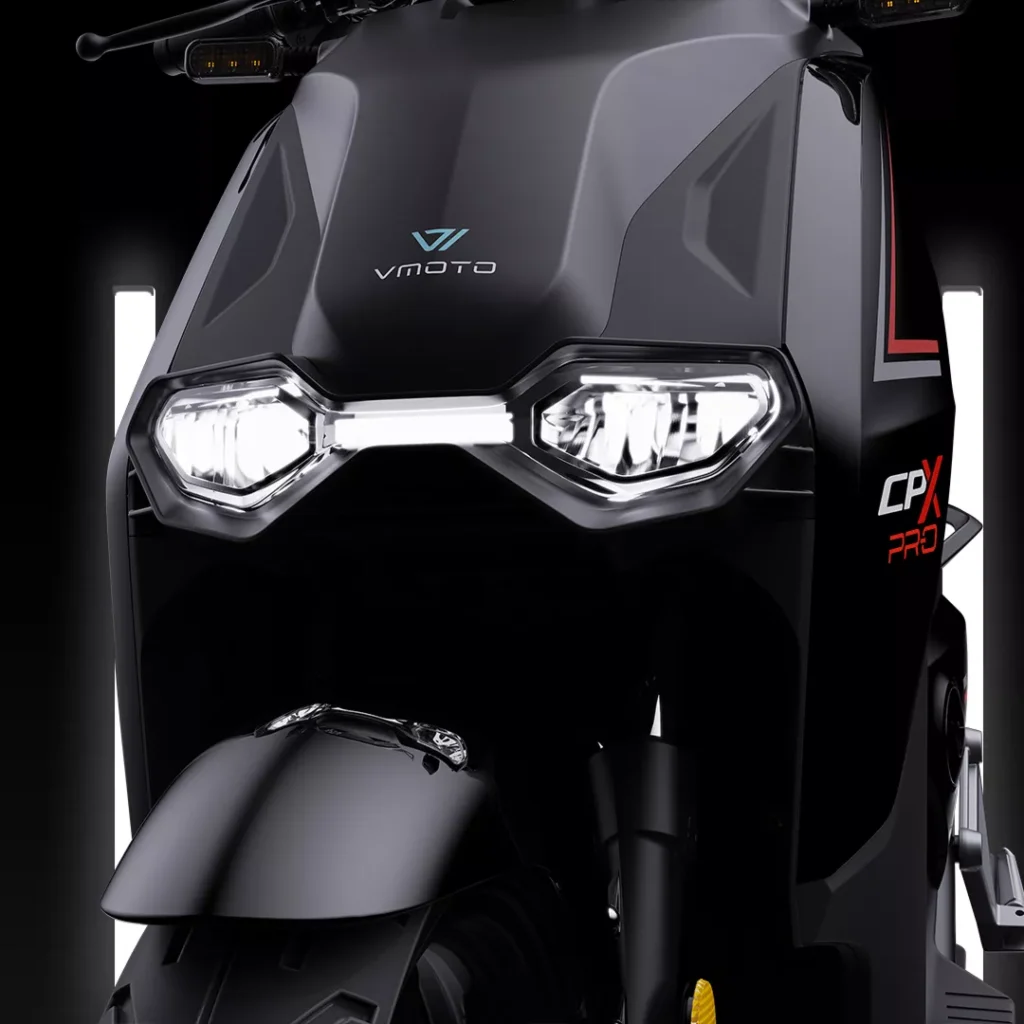
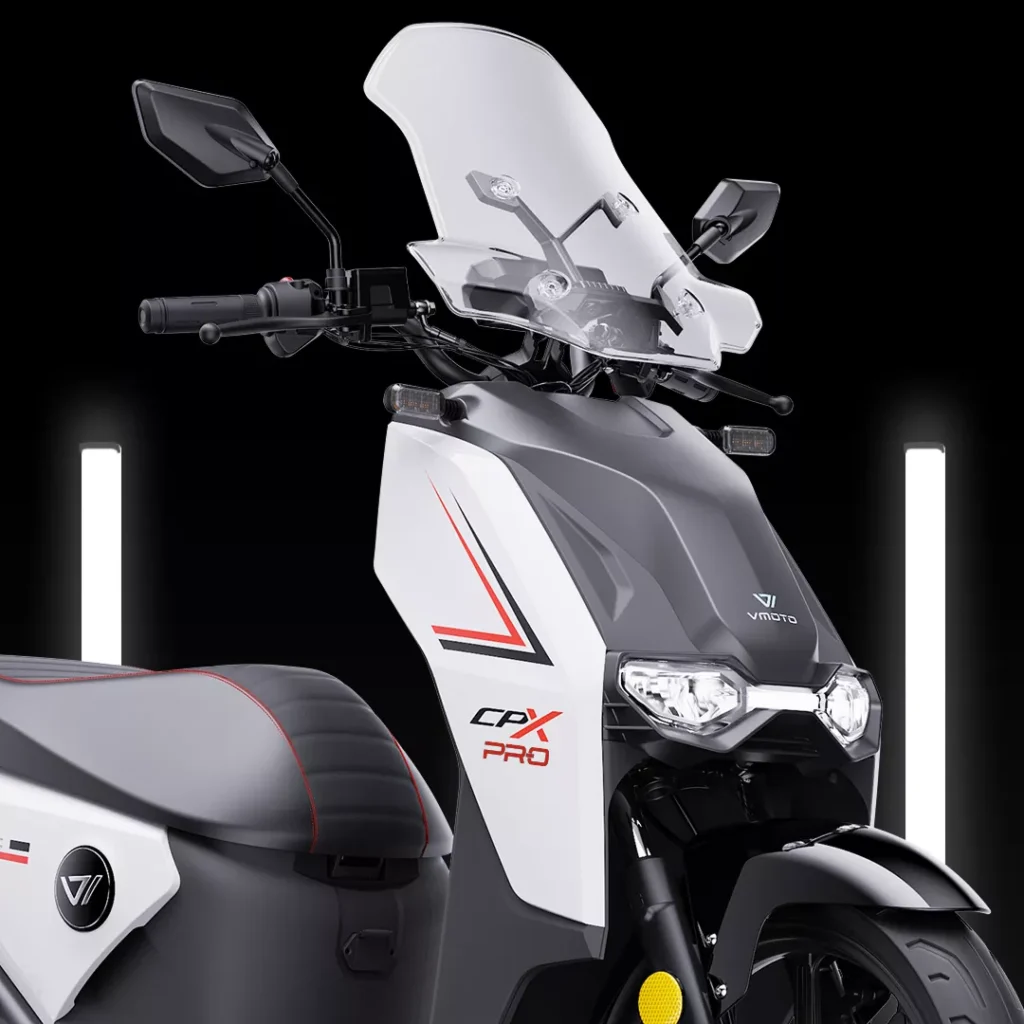
The CPx PRO takes the same everyday commuter logic as the standard CPx and adds more speed and more breathing room for faster urban roads. It makes the most sense for riders who spend more time on ring roads, longer connectors, or mixed traffic where a little extra performance stops the scooter from feeling stretched. Vmoto positions it as a higher-performance urban commuter rather than a separate touring machine.
The CPx PRO is still aimed at daily use, but it gives riders more room at the top end, which makes it easier to live with on quicker routes than the standard CPx.
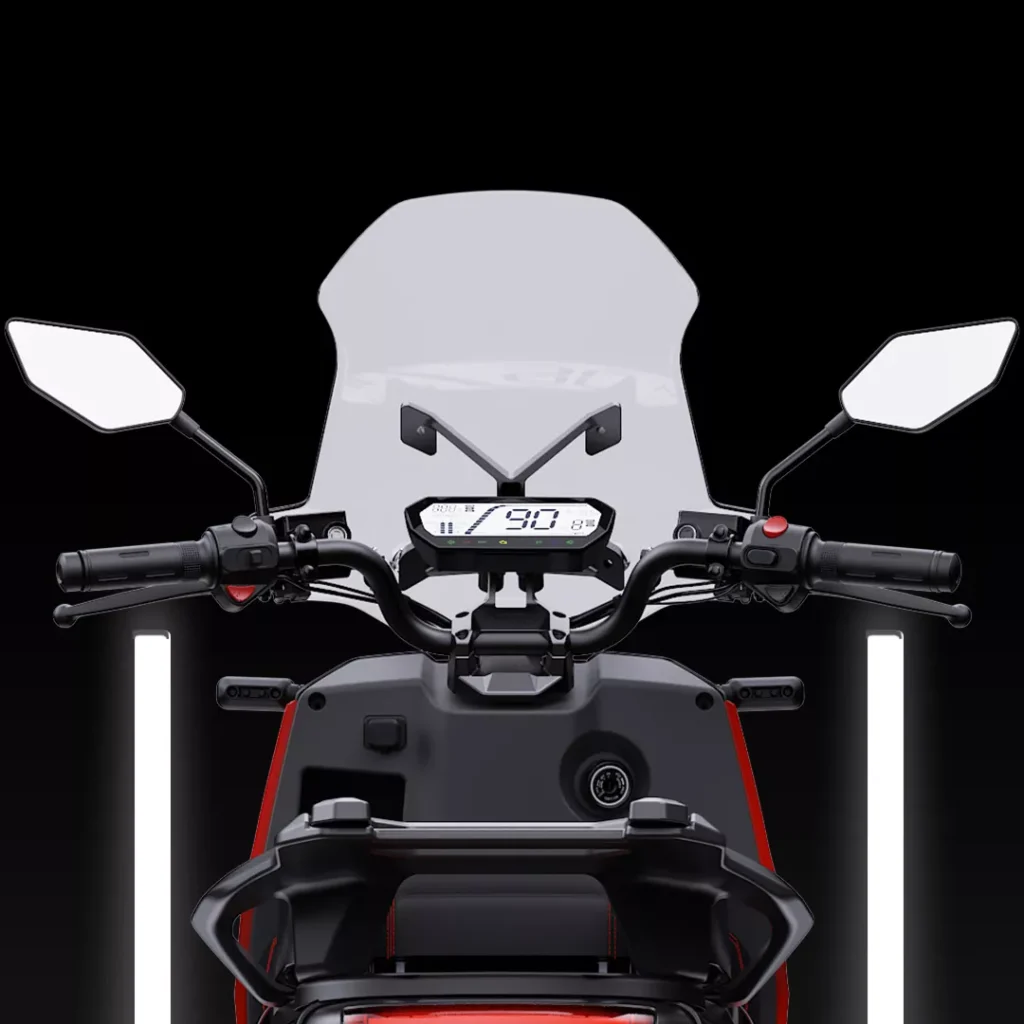
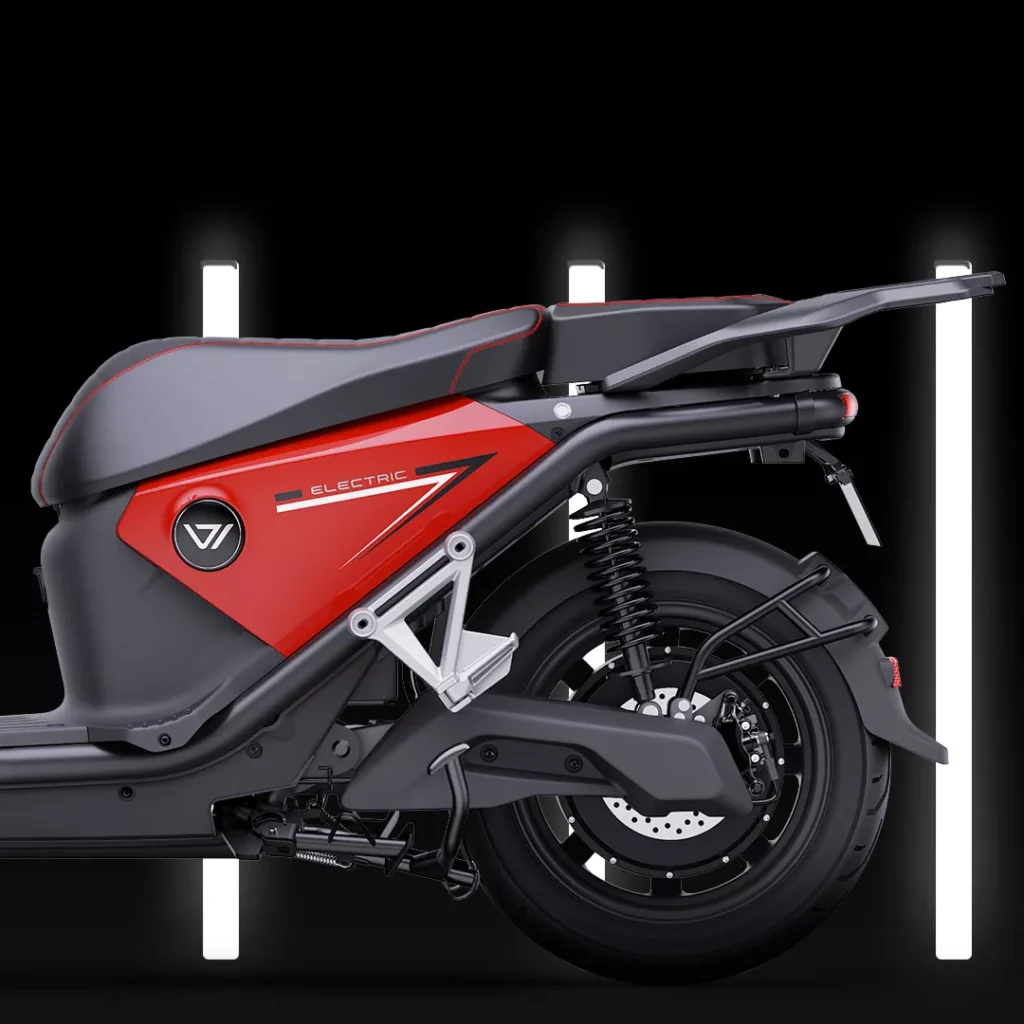
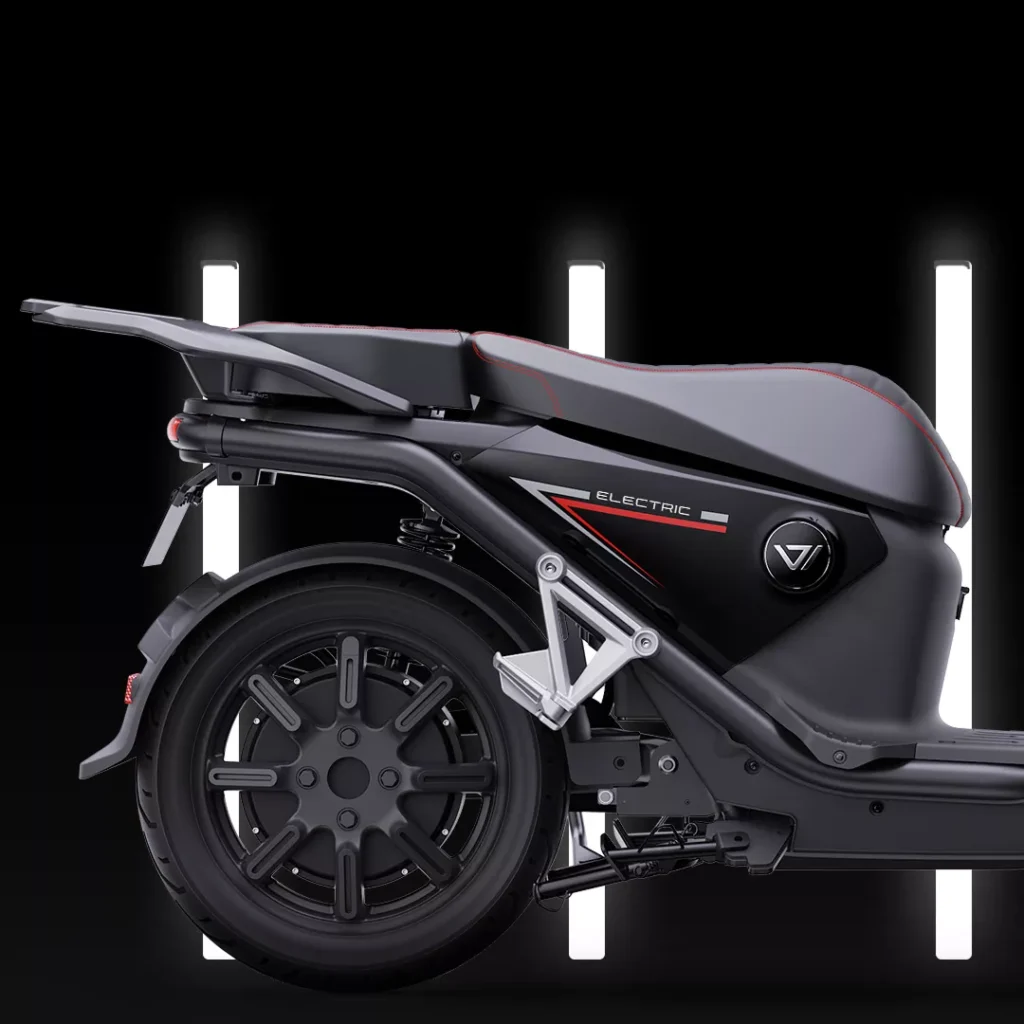
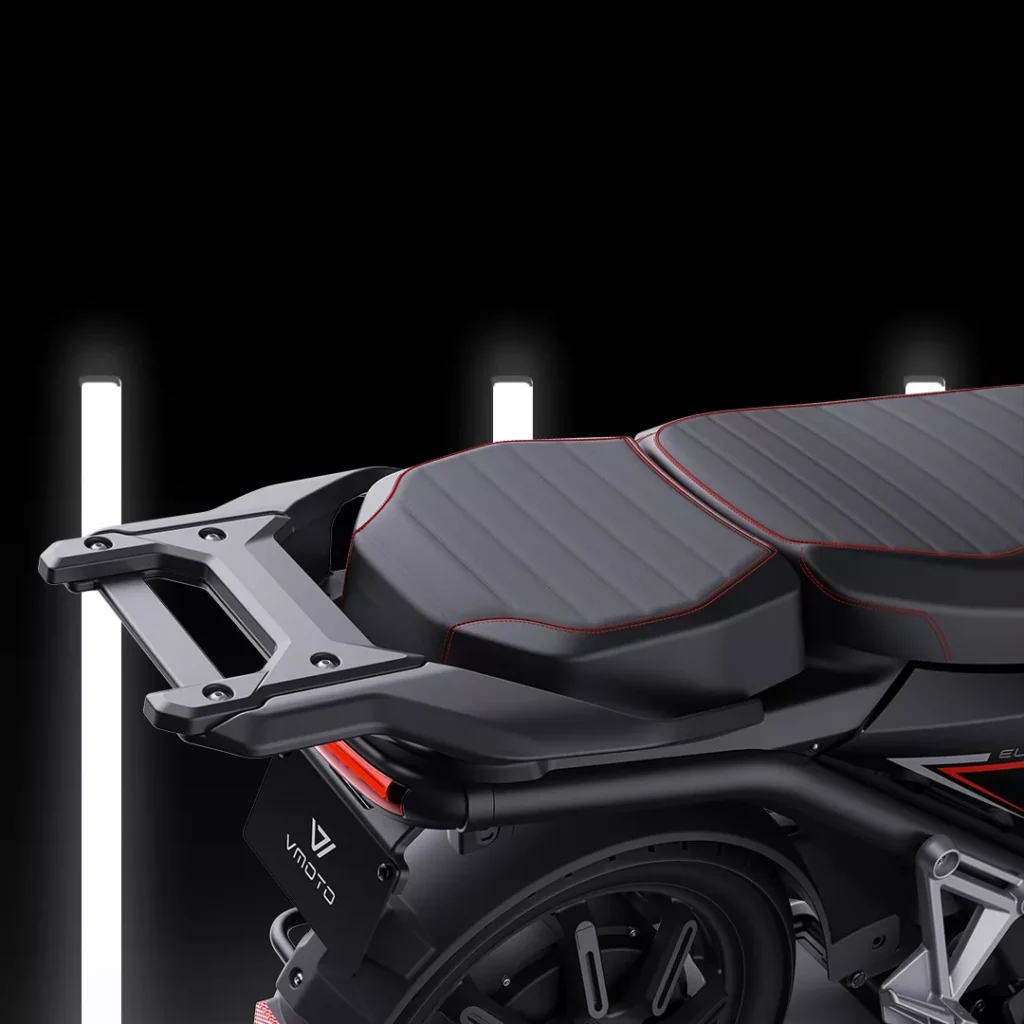
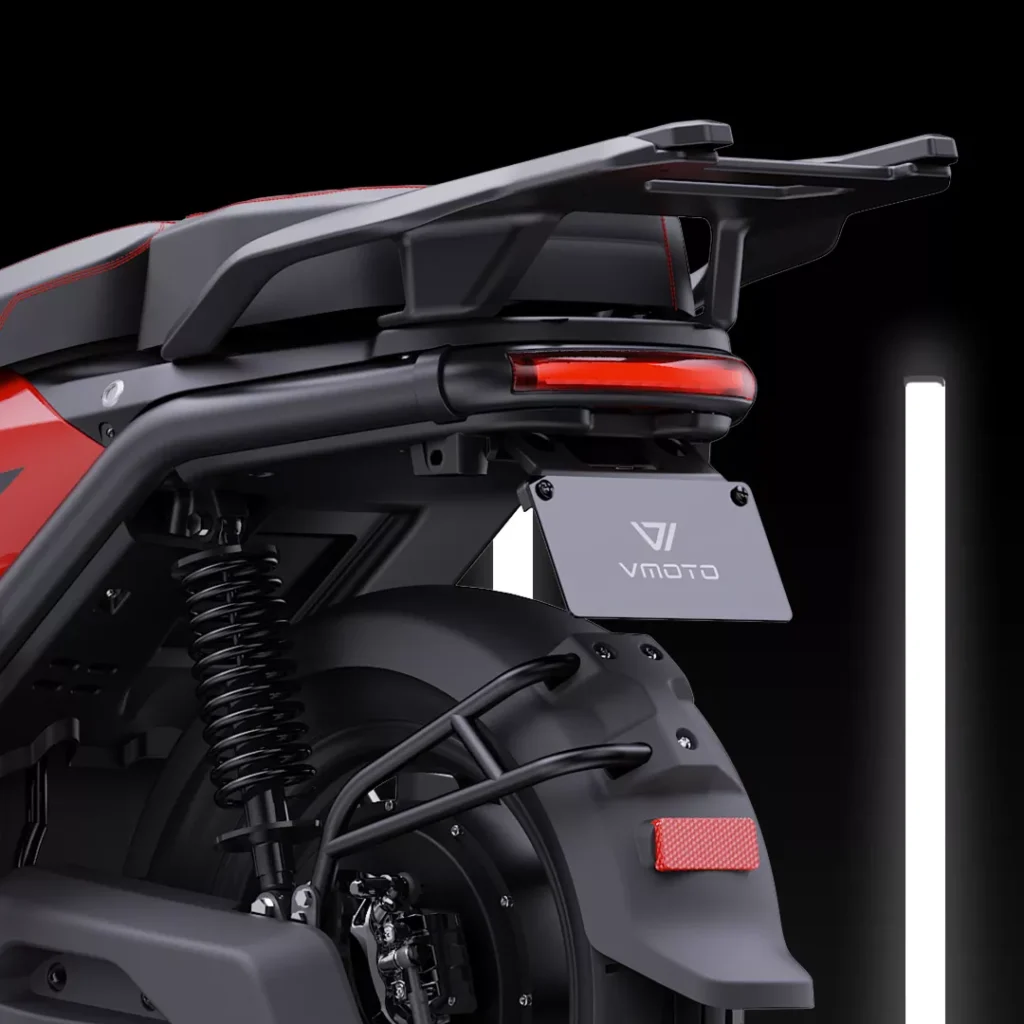
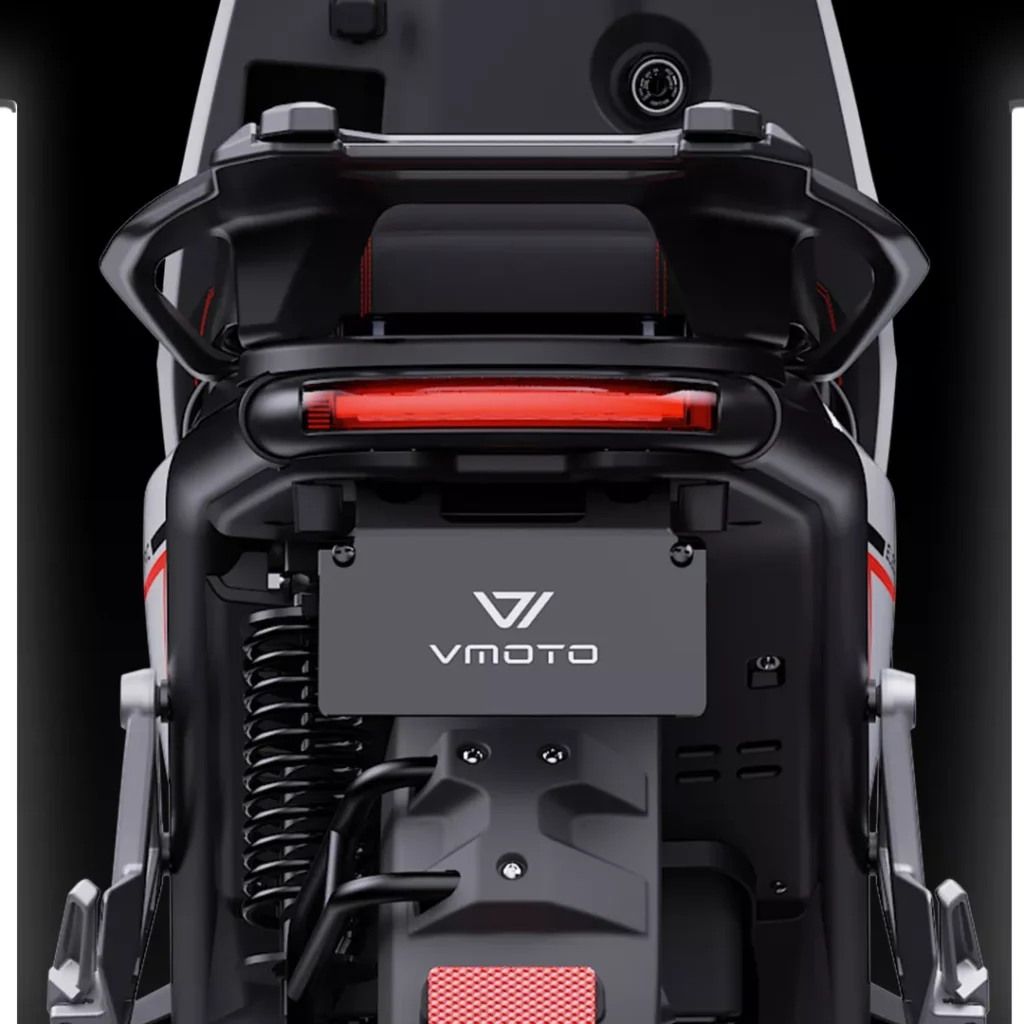
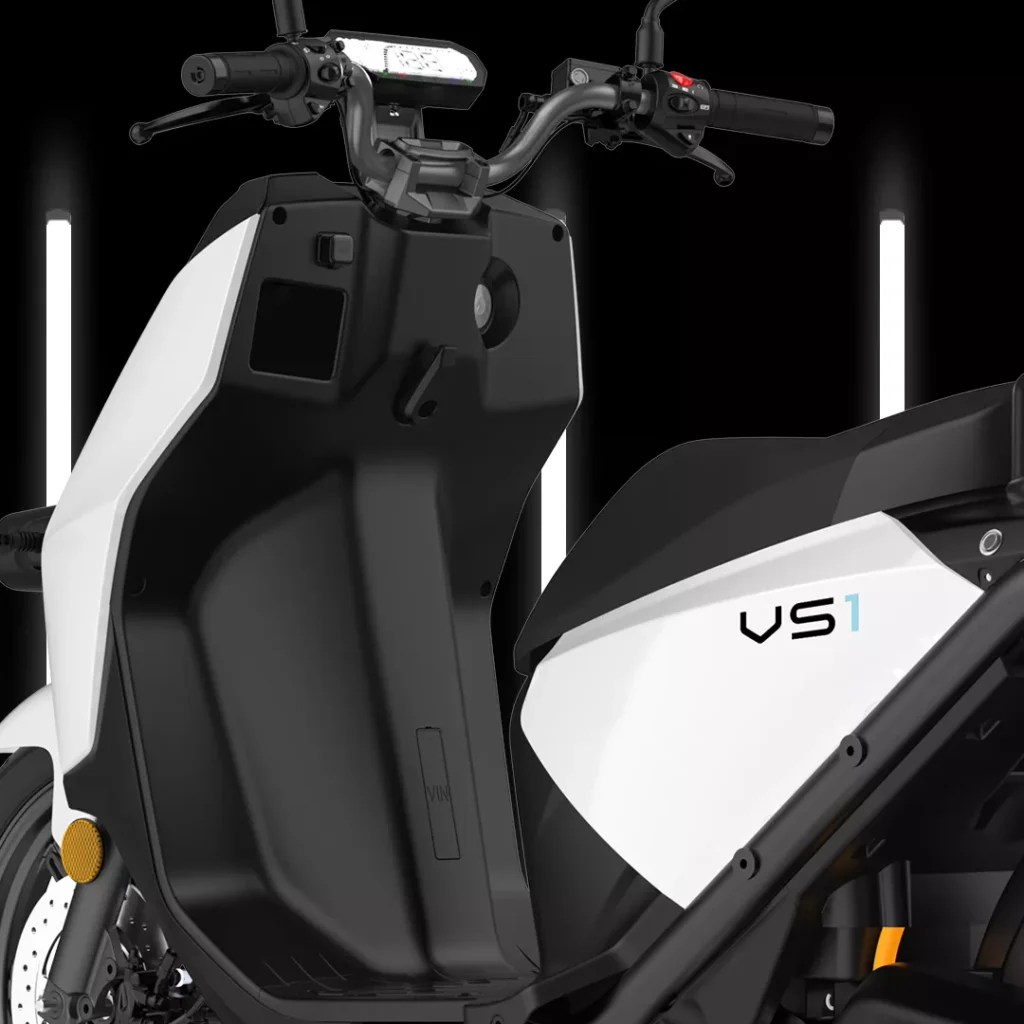
The VS1 is one of the clearest examples of how Vmoto thinks about fleet use. Vmoto presents it directly as a B2B vehicle, and the package is built around that role: repeated stop-start riding, loading and unloading, and long days in dense city traffic where stability and uptime matter more than style.
The supporting details reinforce that logic. Vmoto leans into loading-friendly ergonomics, a reinforced rear structure, and multiple charging options, which makes the VS1 easier to read as fleet hardware first and a general-use scooter second. In Europe, that is probably the right place for it.
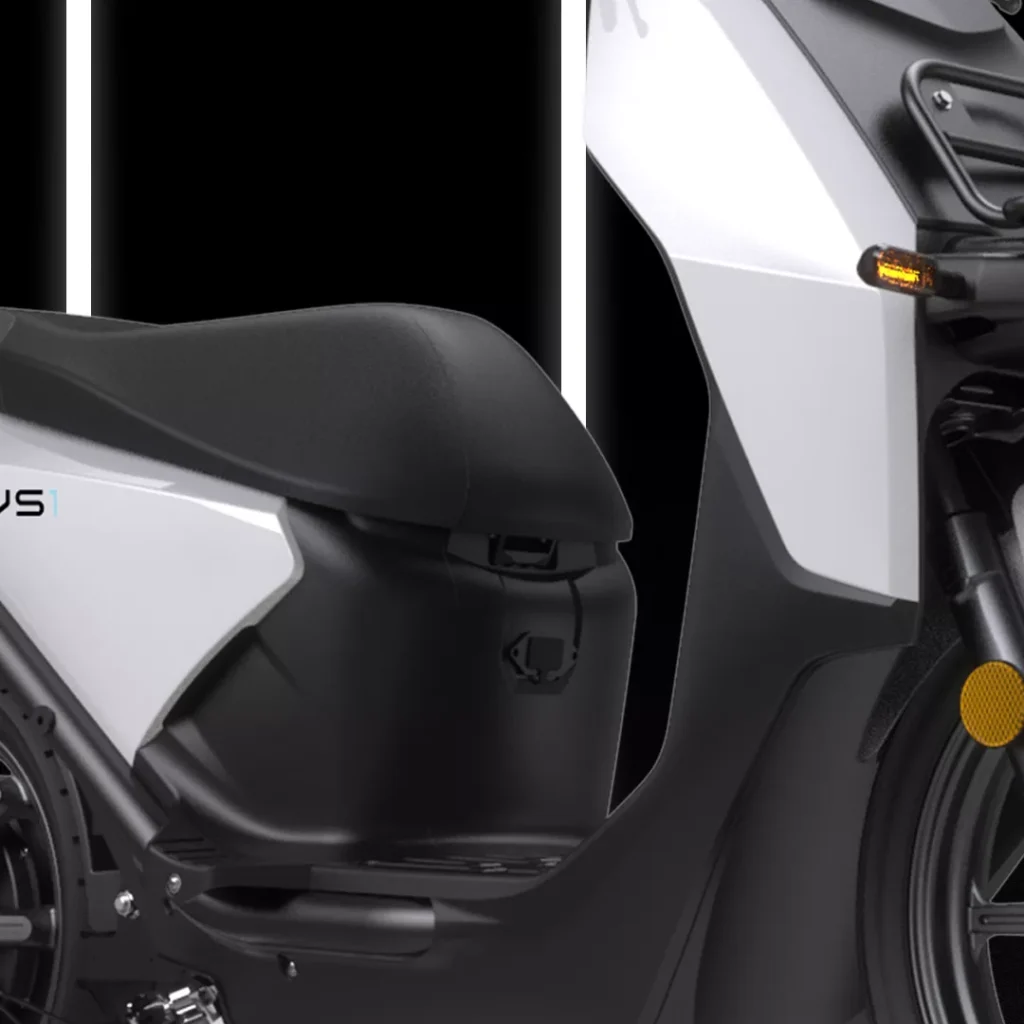
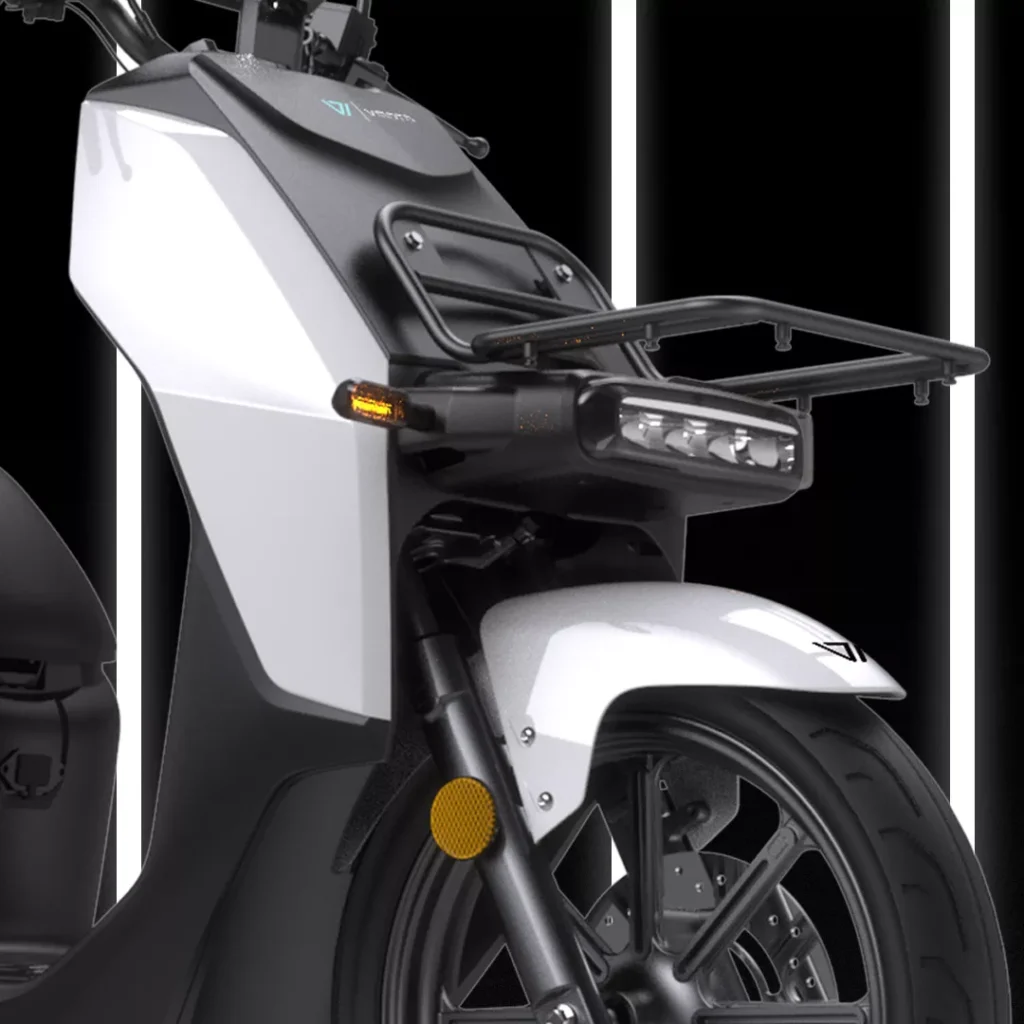
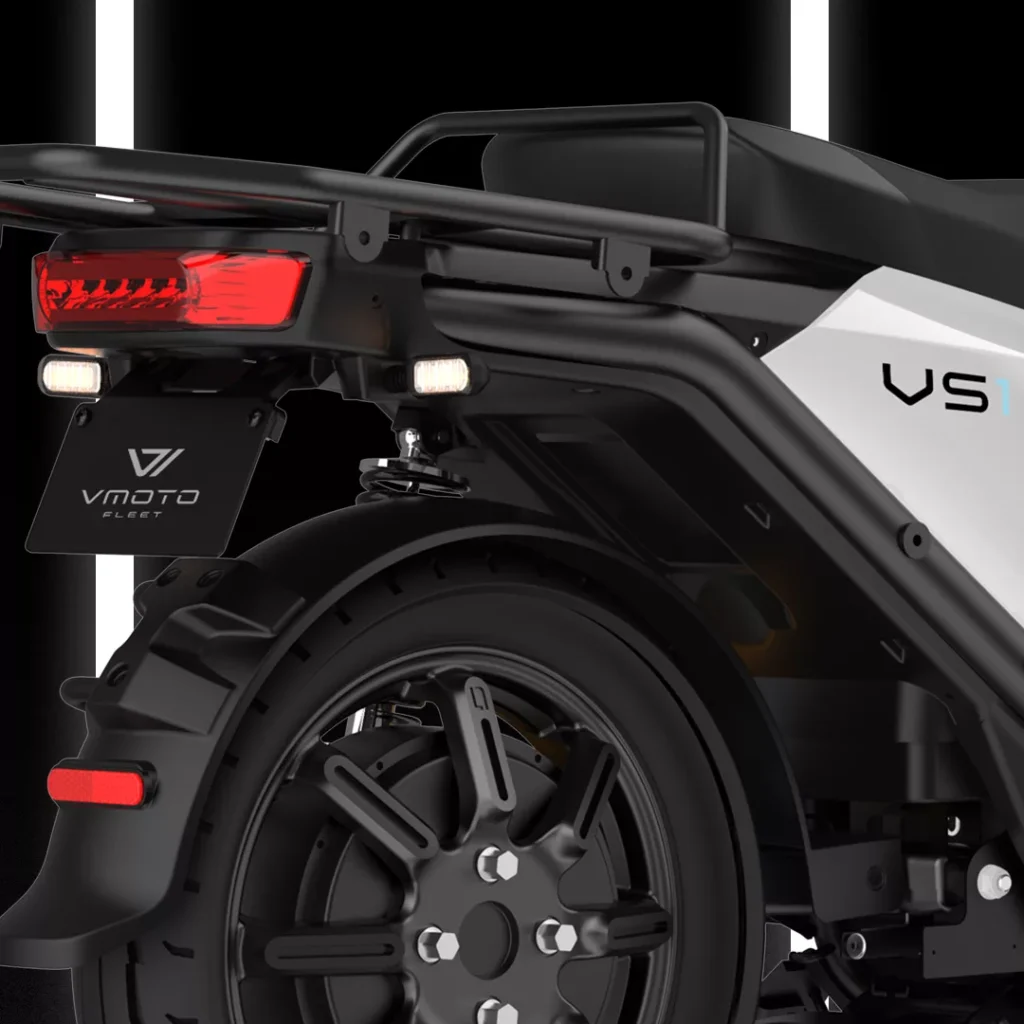
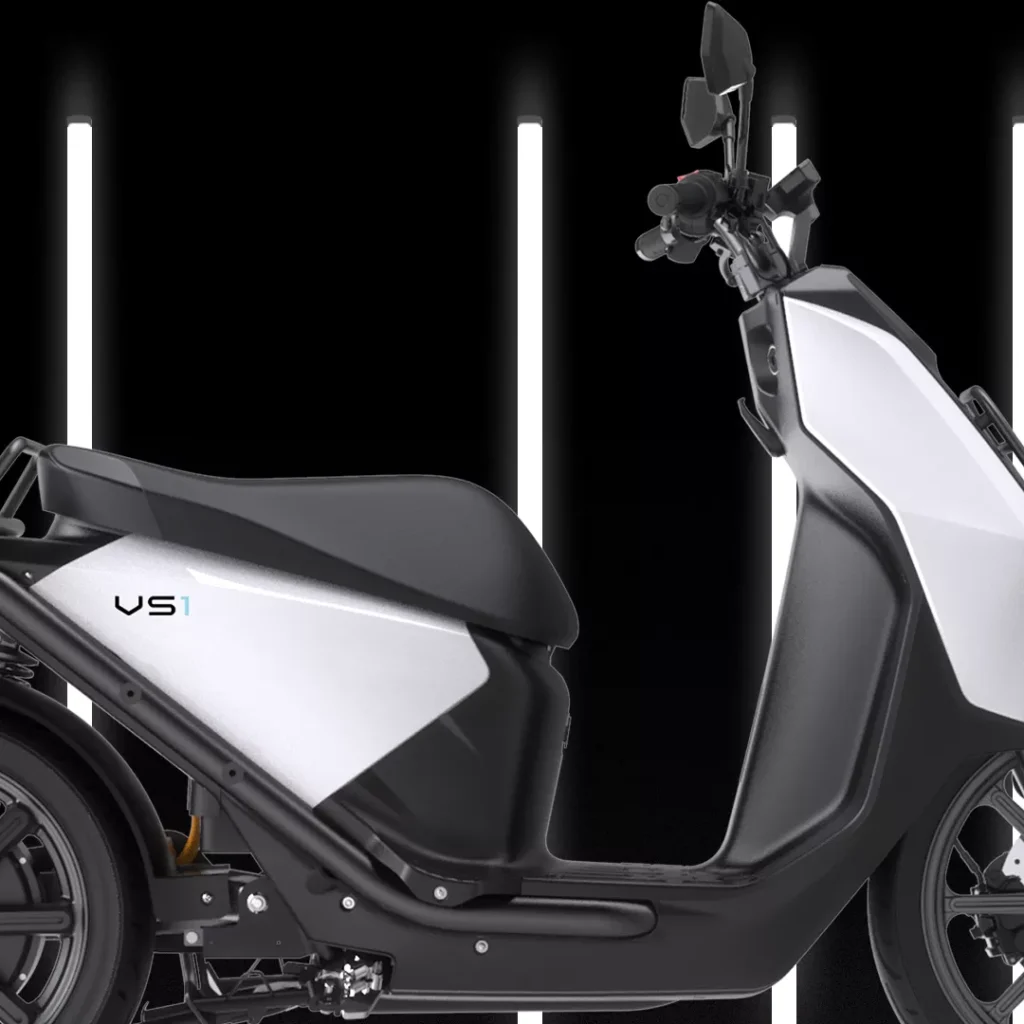
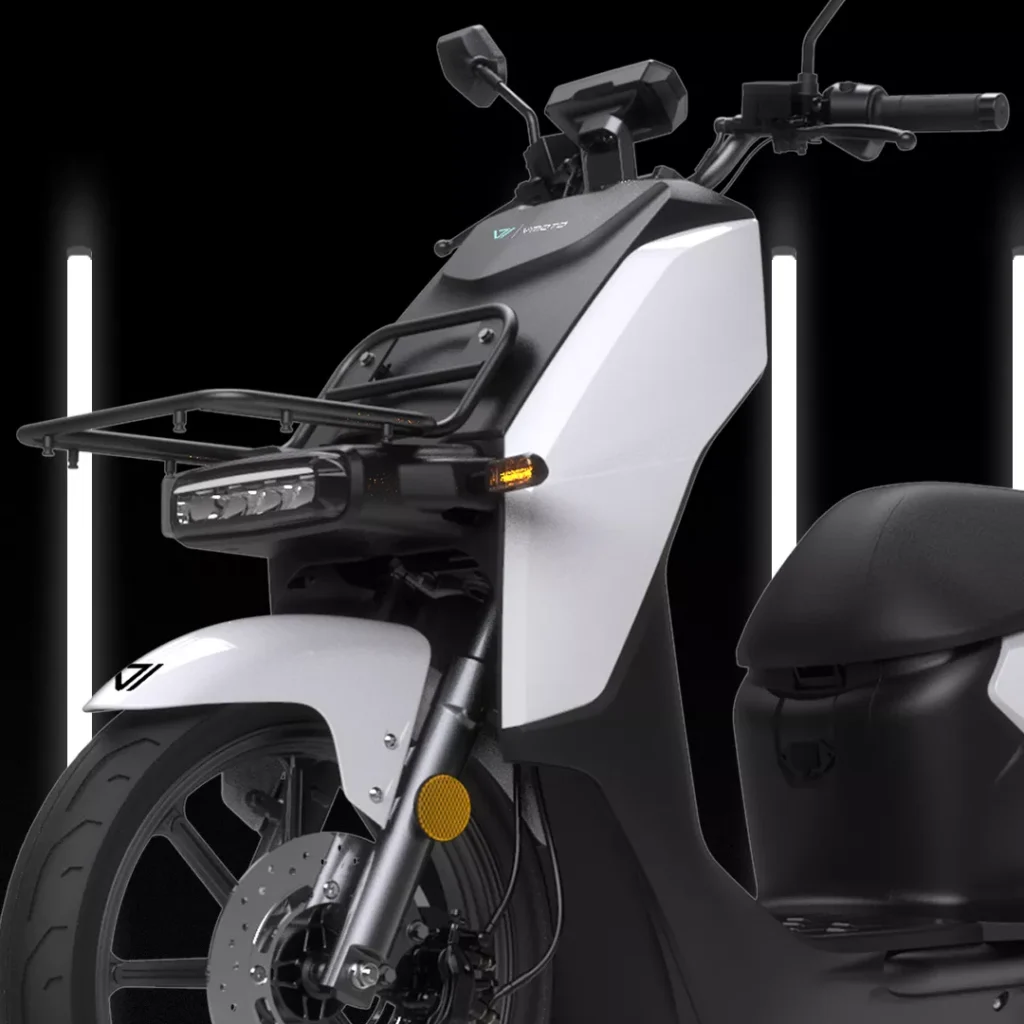
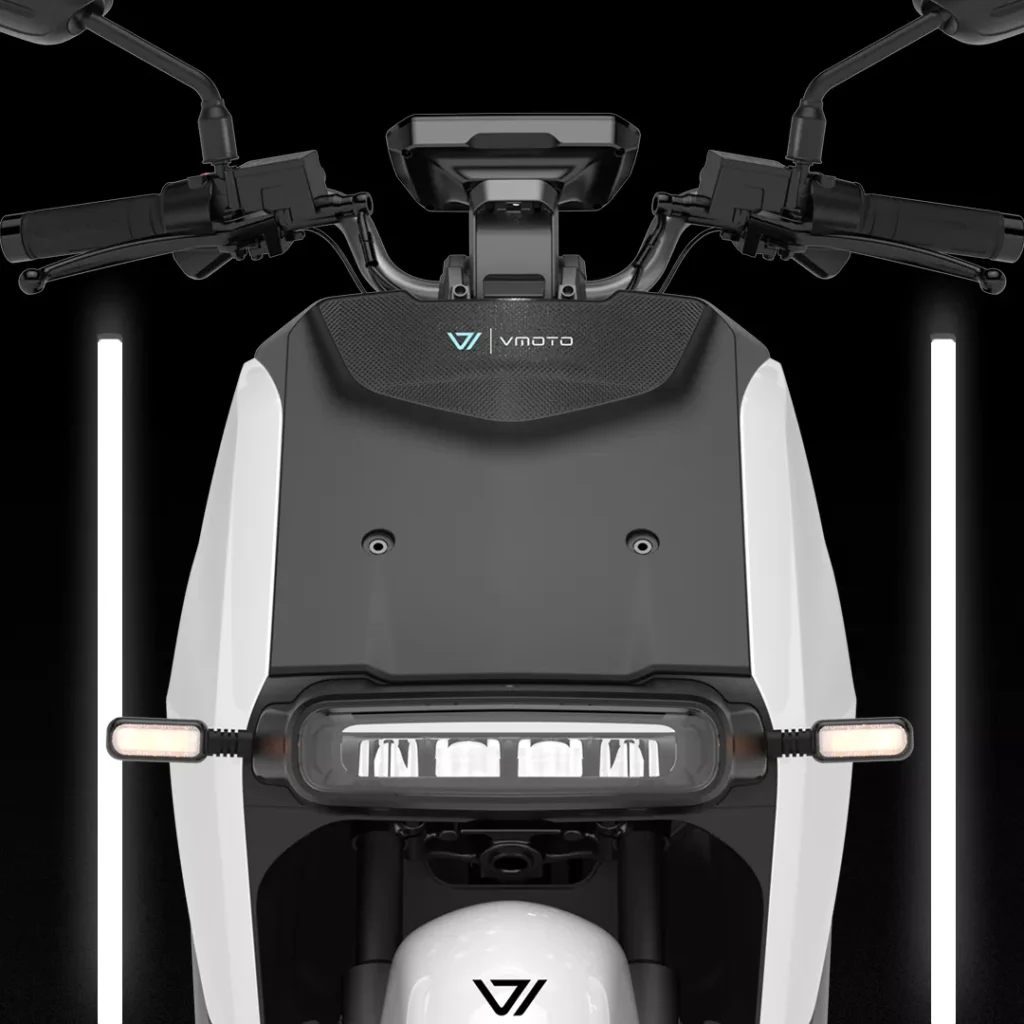
The VS4 sits in the overlap between commercial use and everyday commuting. Vmoto positions it as a daily urban scooter, but what makes it more interesting is the setup around it. Rather than relying on range alone, the VS4 is built around quicker turnaround and more flexible charging options than a basic city scooter.
That gives it a broader role than a pure fleet vehicle while still keeping one foot in the operations-focused side of the market. The real selling point is not a headline range number, but the charging flexibility built into the package. In higher-use routines, that can matter more than a few extra kilometers on paper.
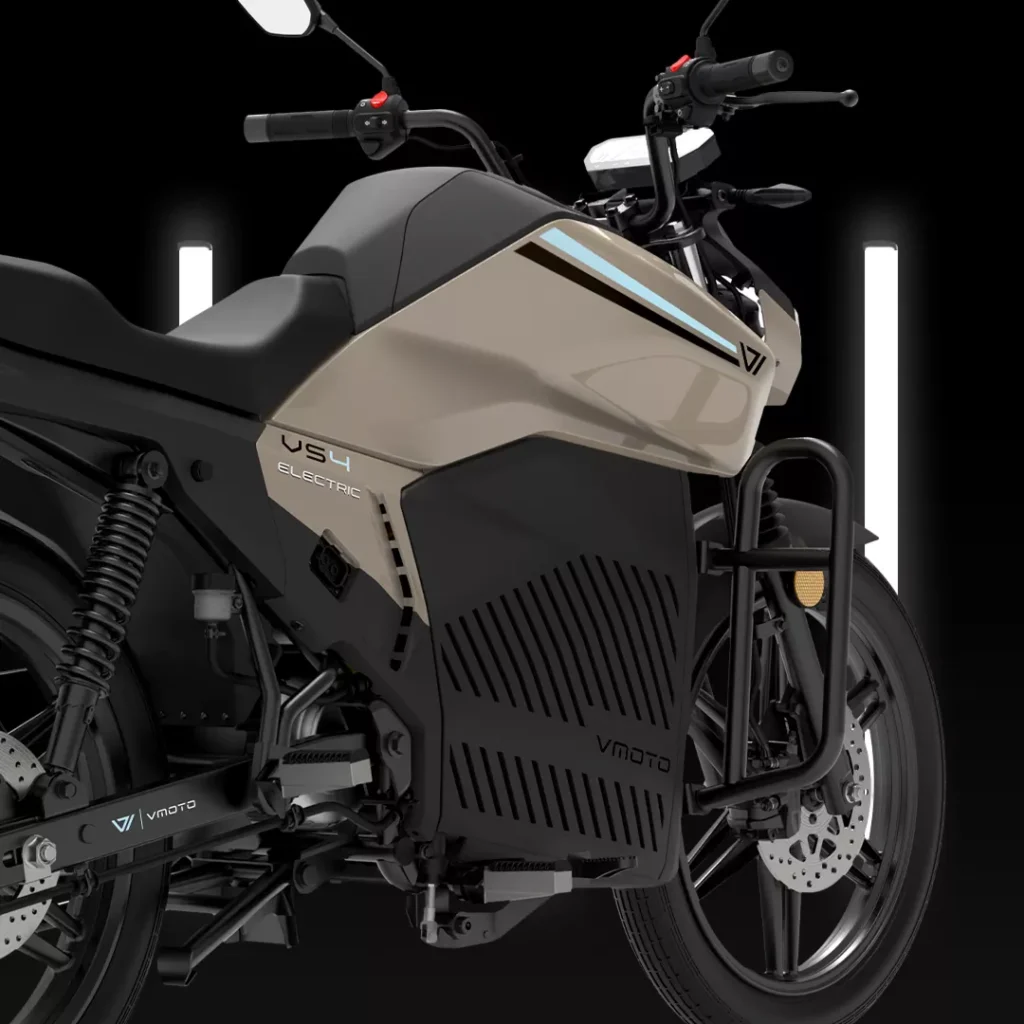
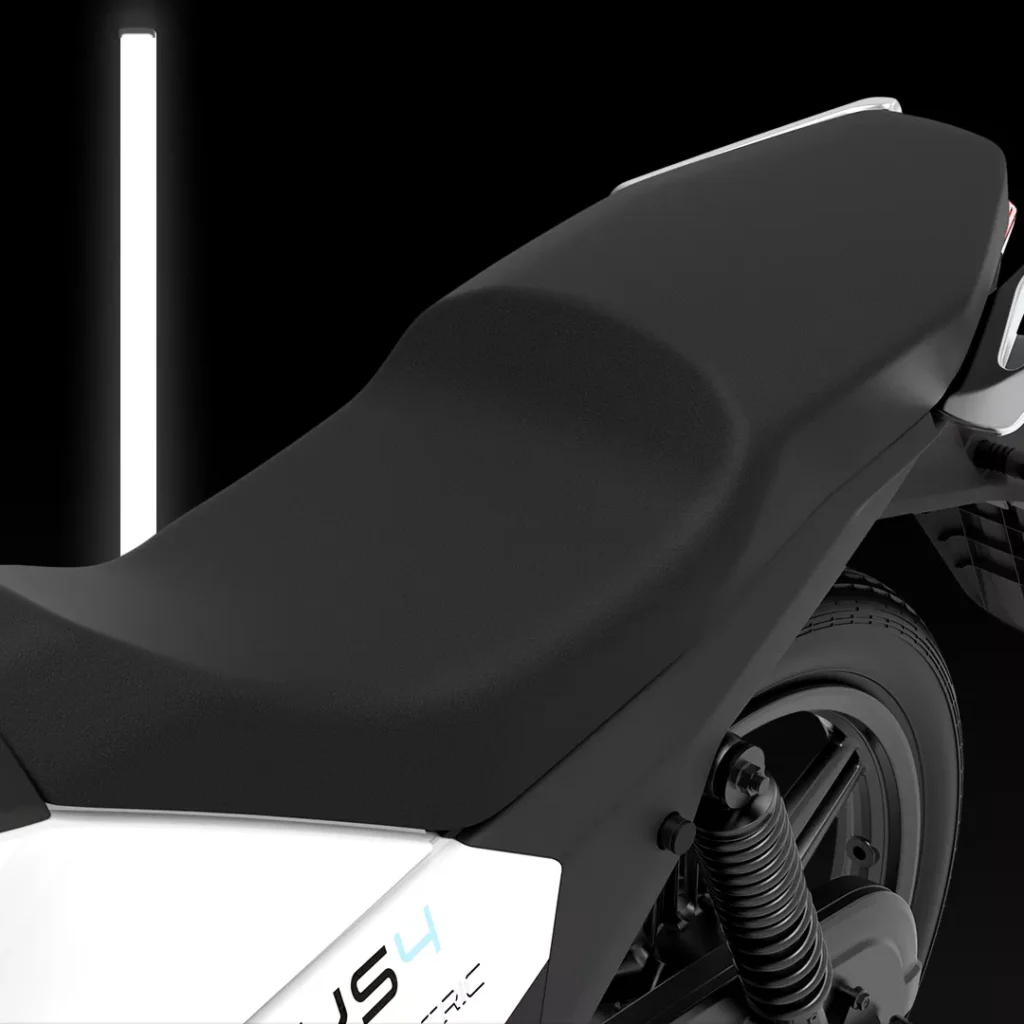
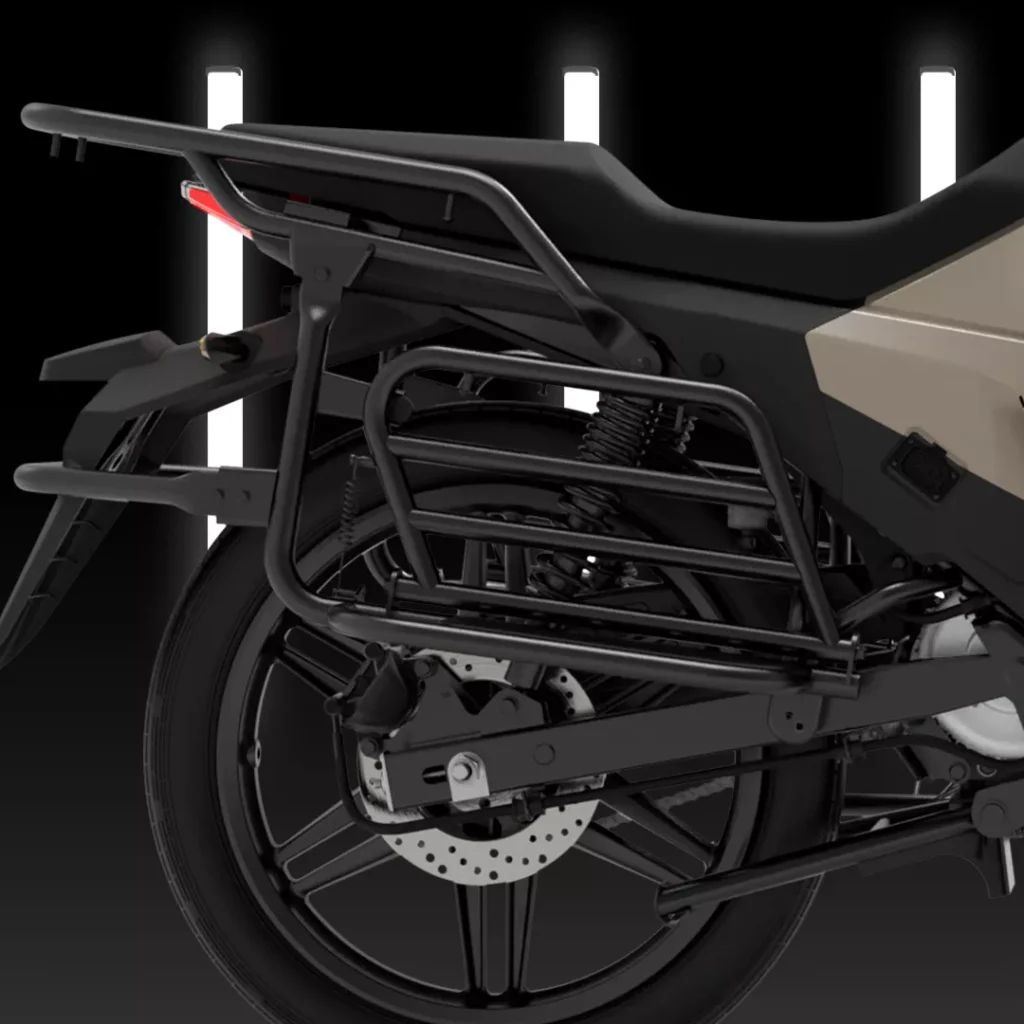
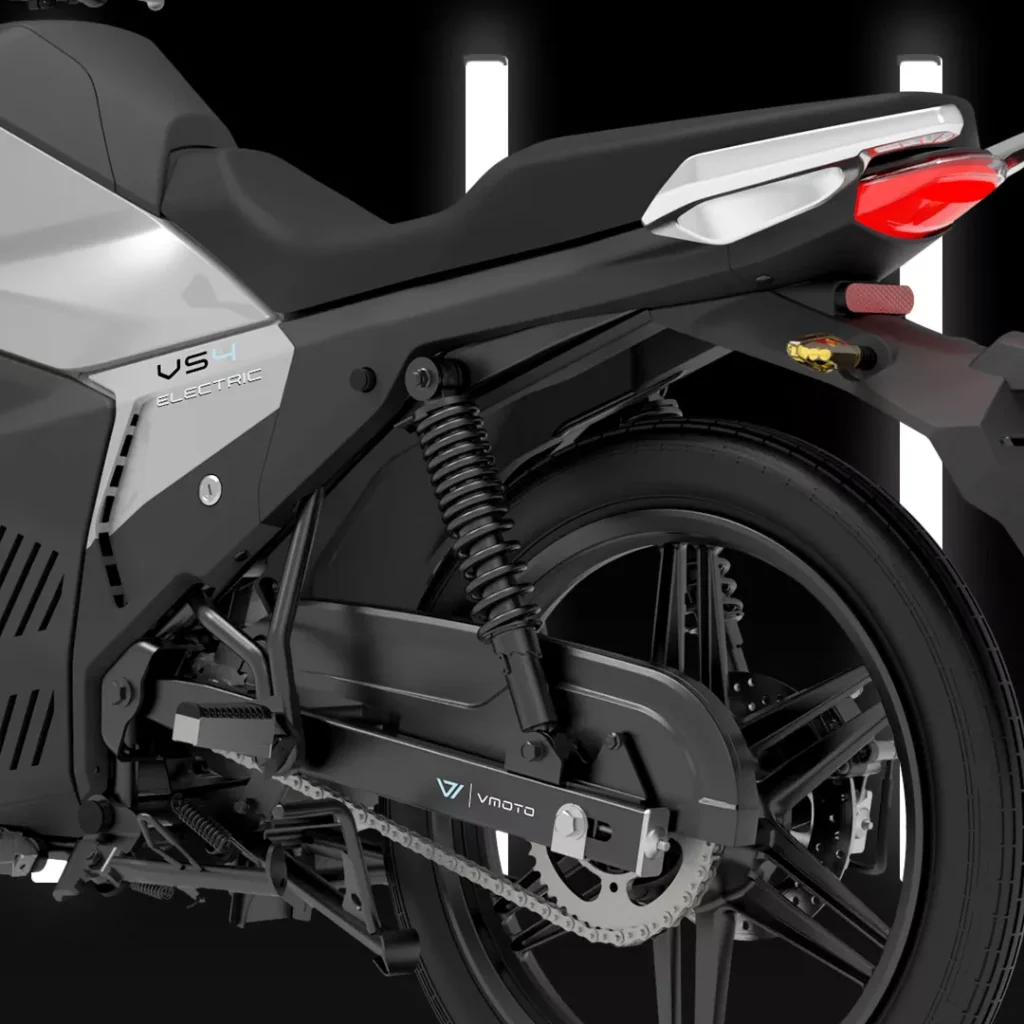
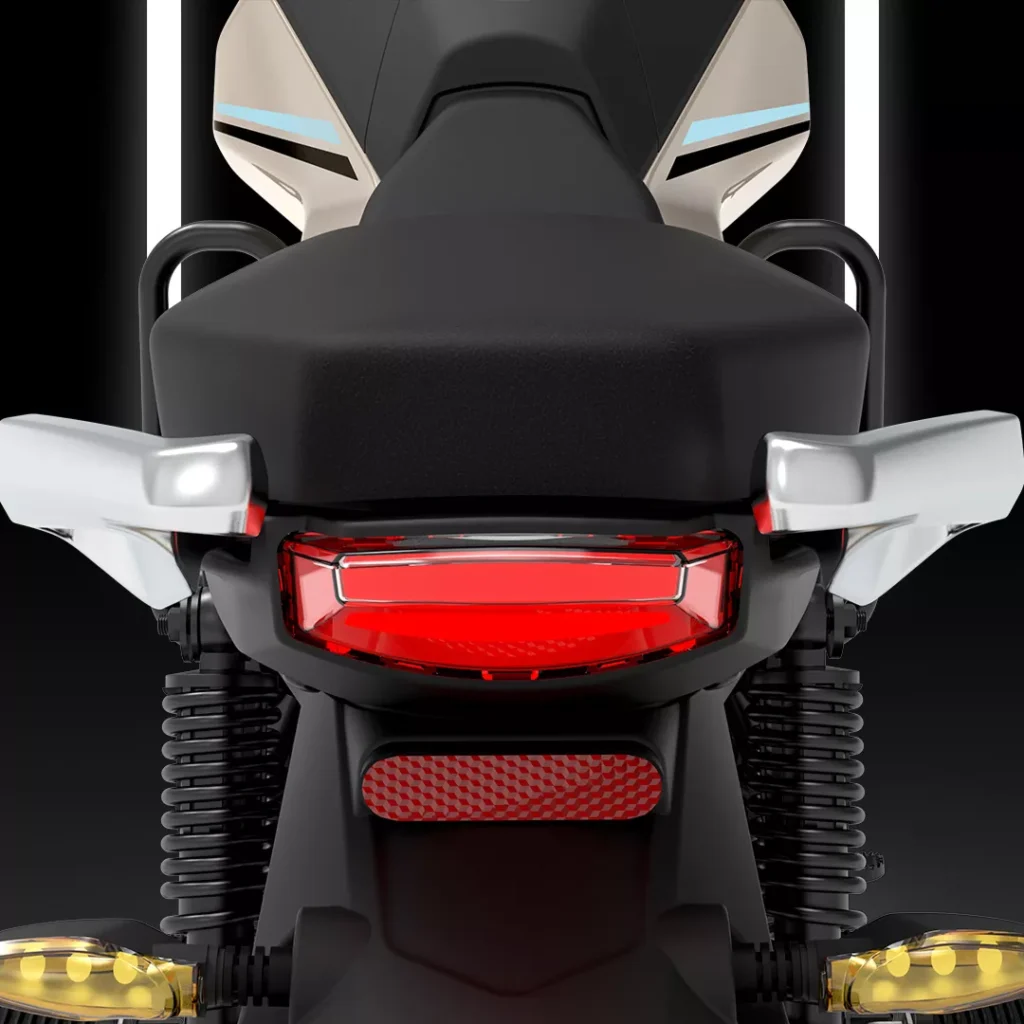
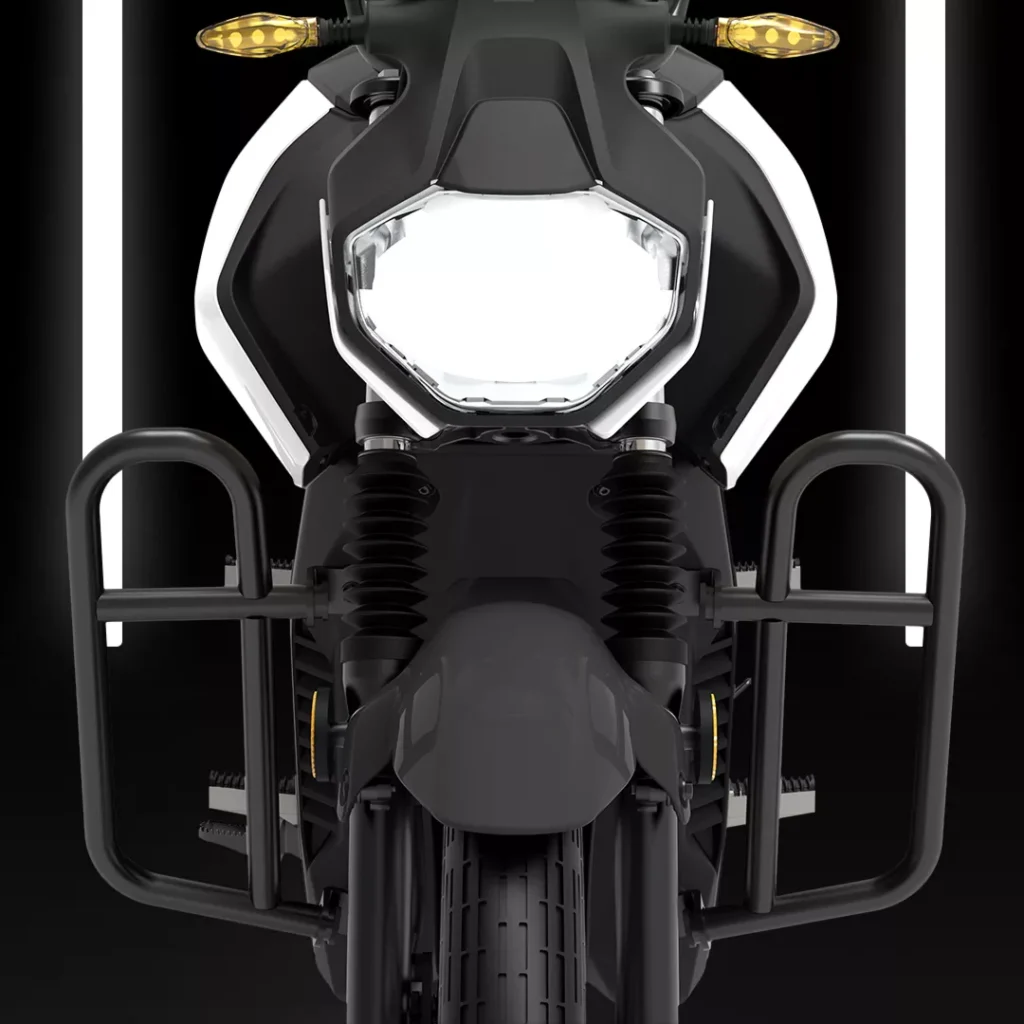
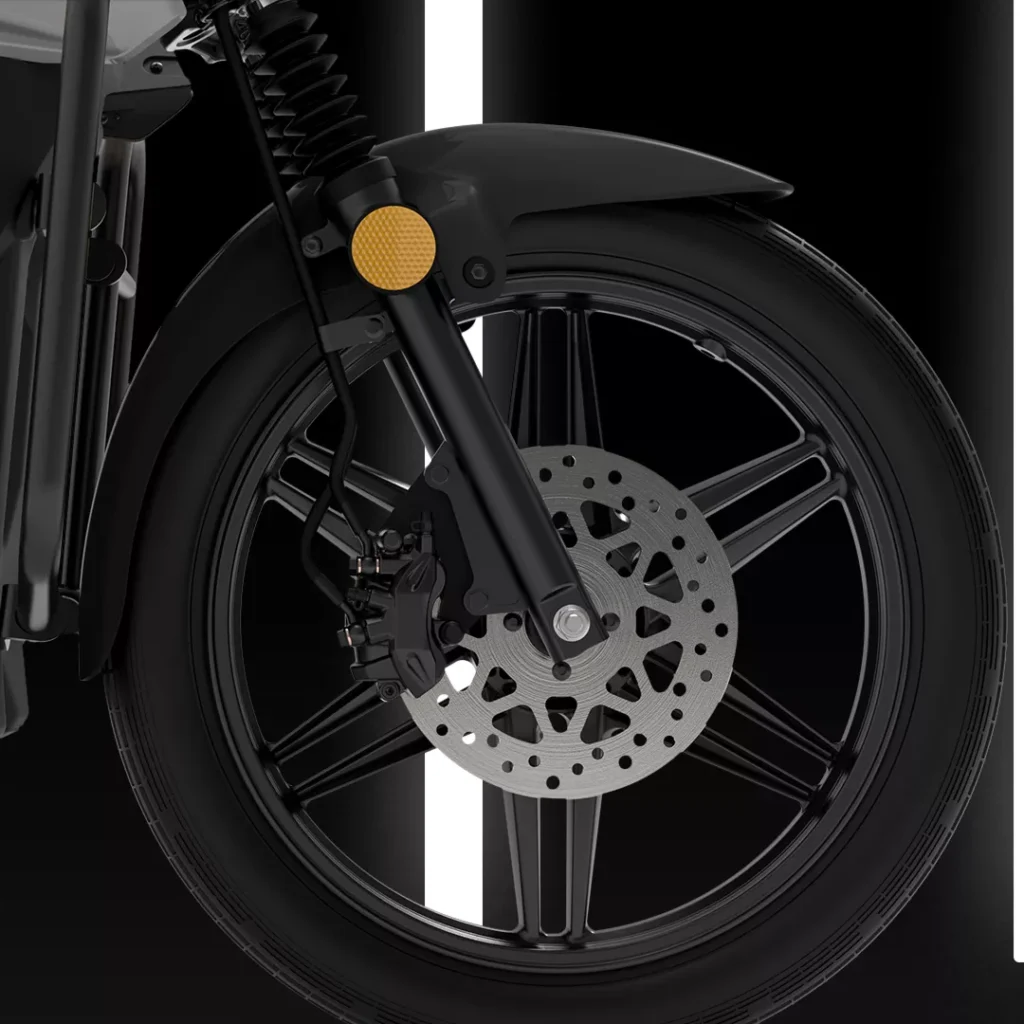
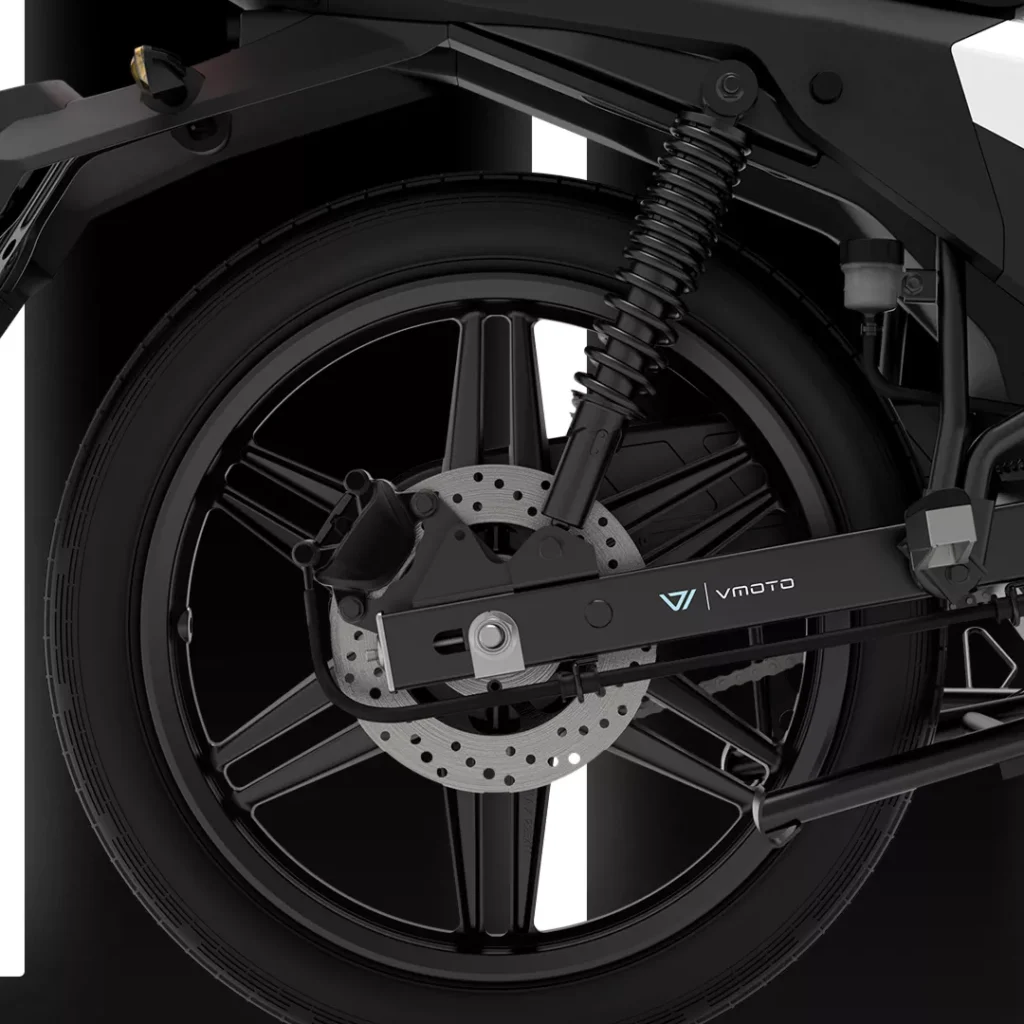
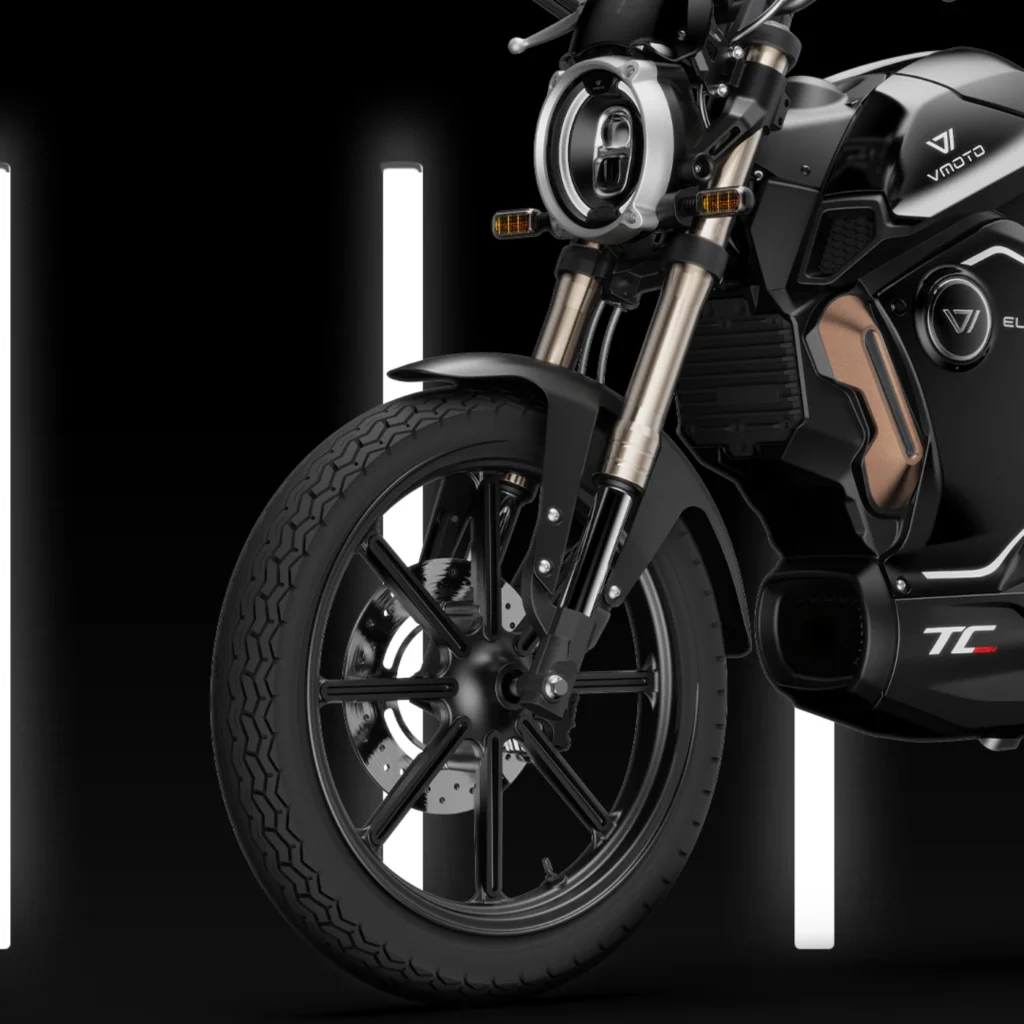
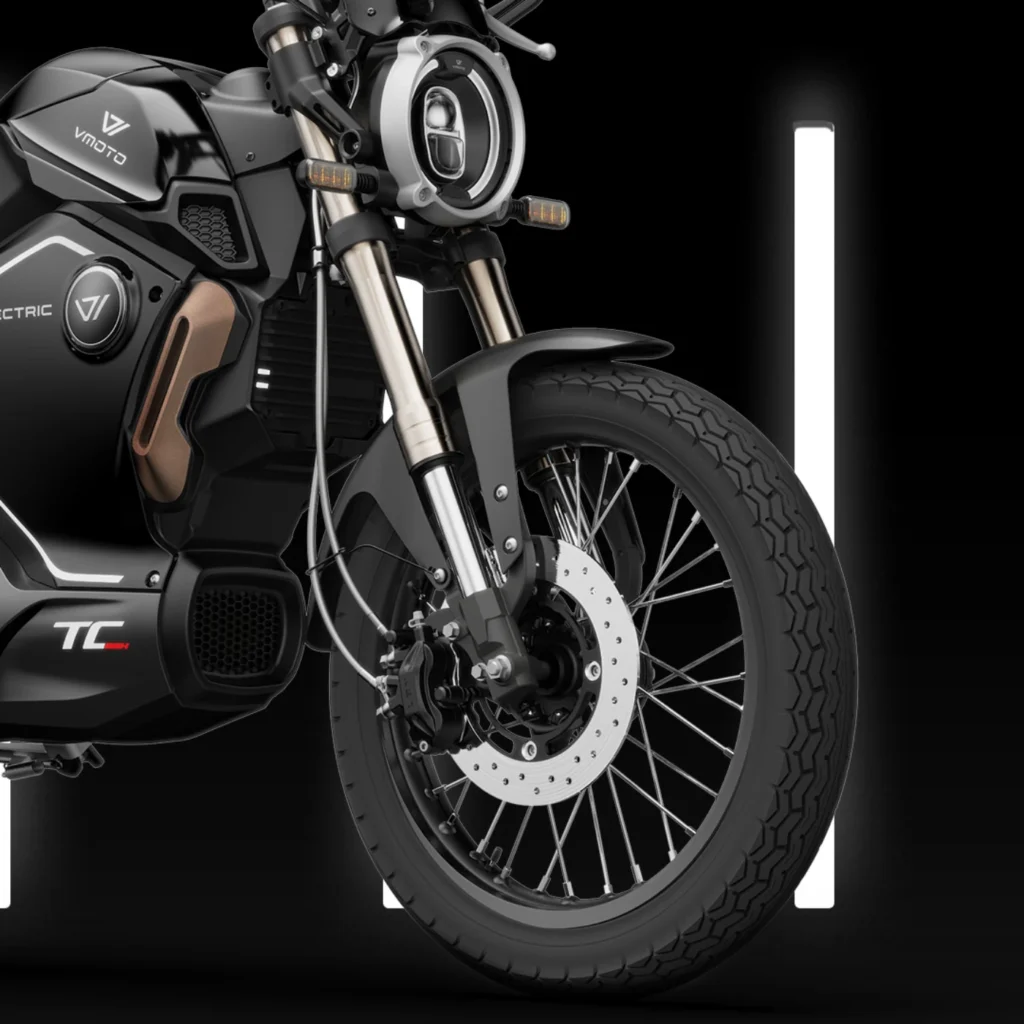
The TC Max is aimed at riders who want a more familiar motorcycle shape without giving up everyday city practicality. It sits closer to the commuter end of Vmoto’s range than the performance end, which makes it easier to read as an urban bike with a bit more character rather than a true long-distance replacement.
That is the right way to understand it. The TC Max gives riders a more motorcycle-like posture and feel, but the core use case still looks like daily commuting and short-to-medium urban trips. It suits riders who want something more engaging than a step-through scooter without moving up to a much bigger machine.
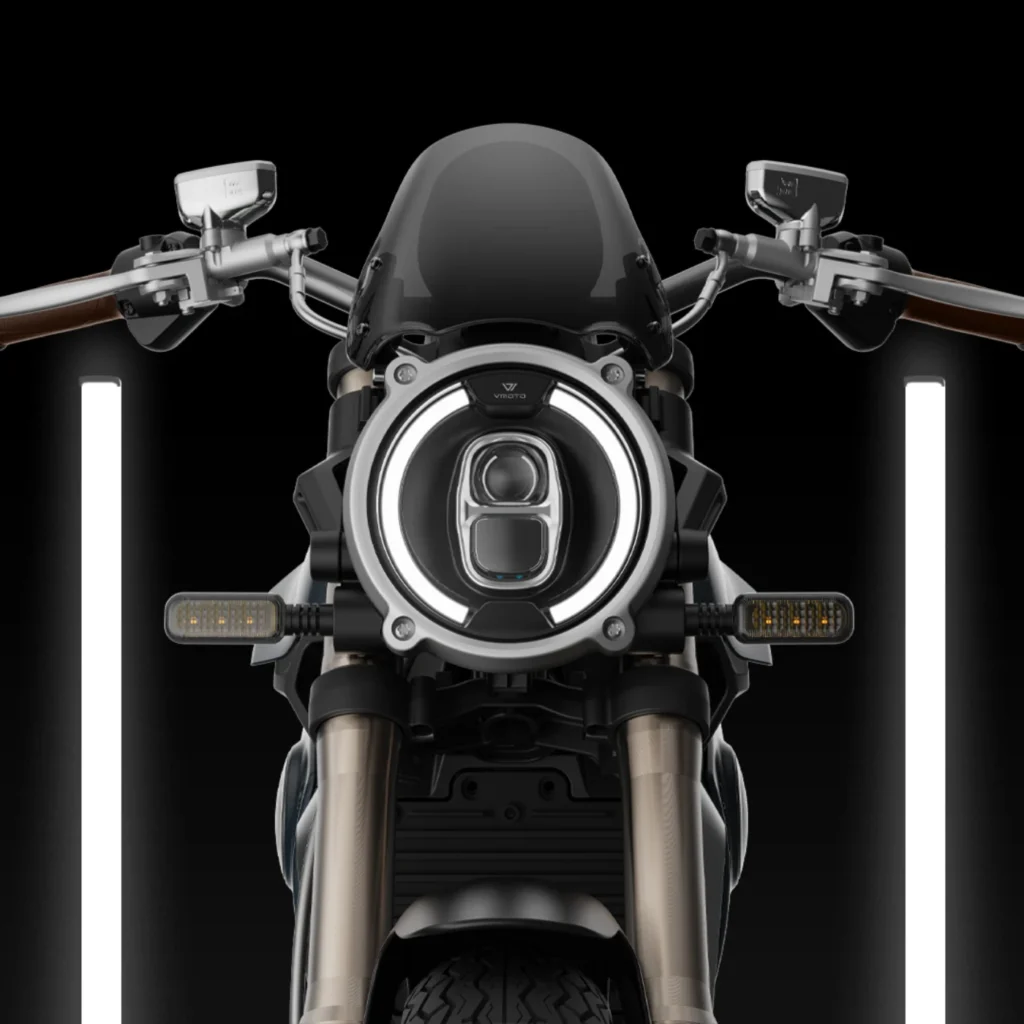
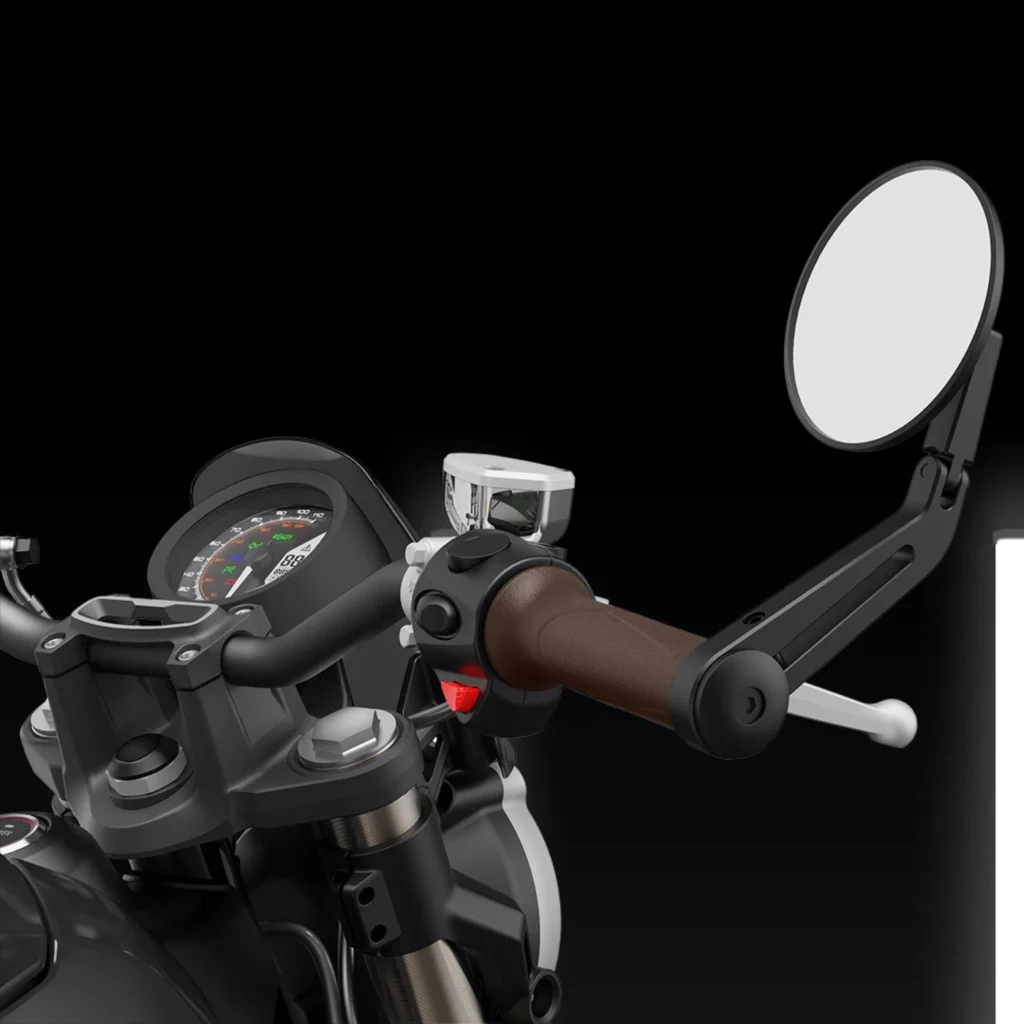
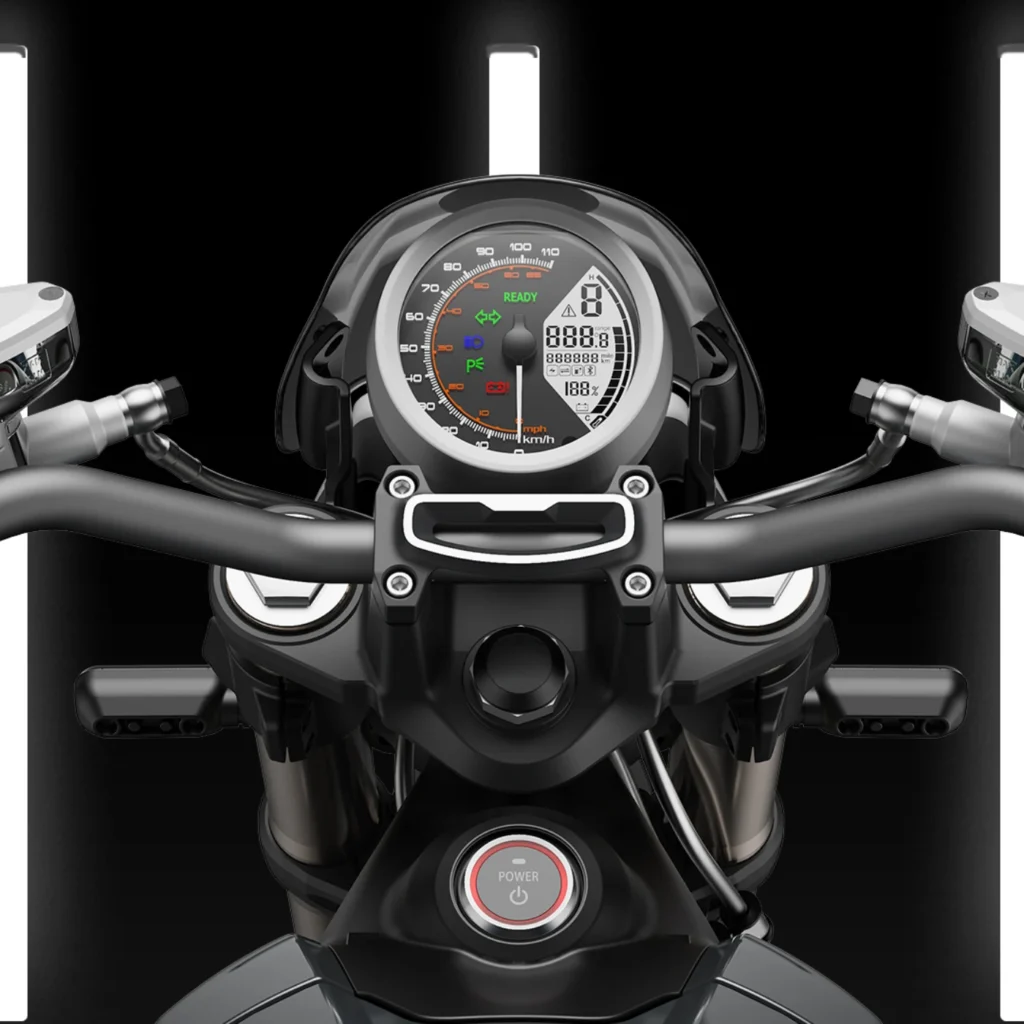
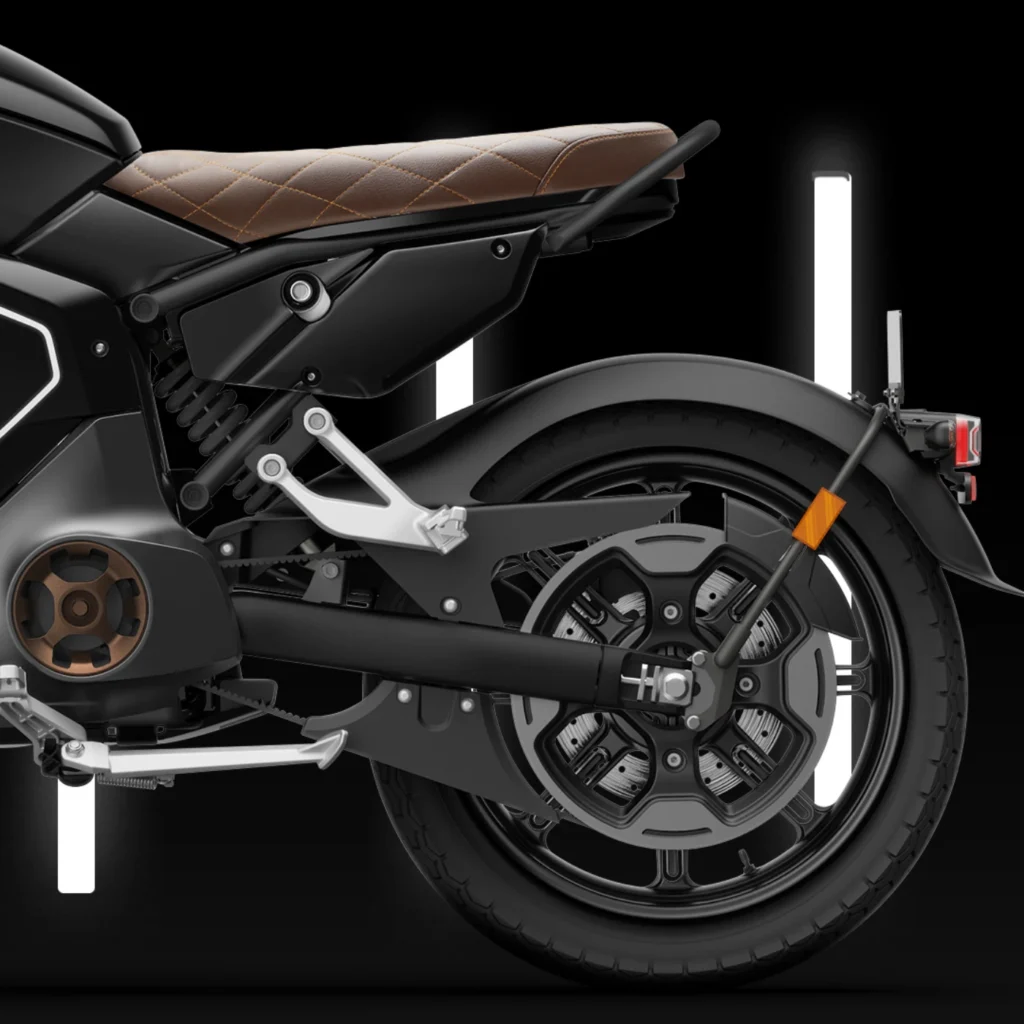
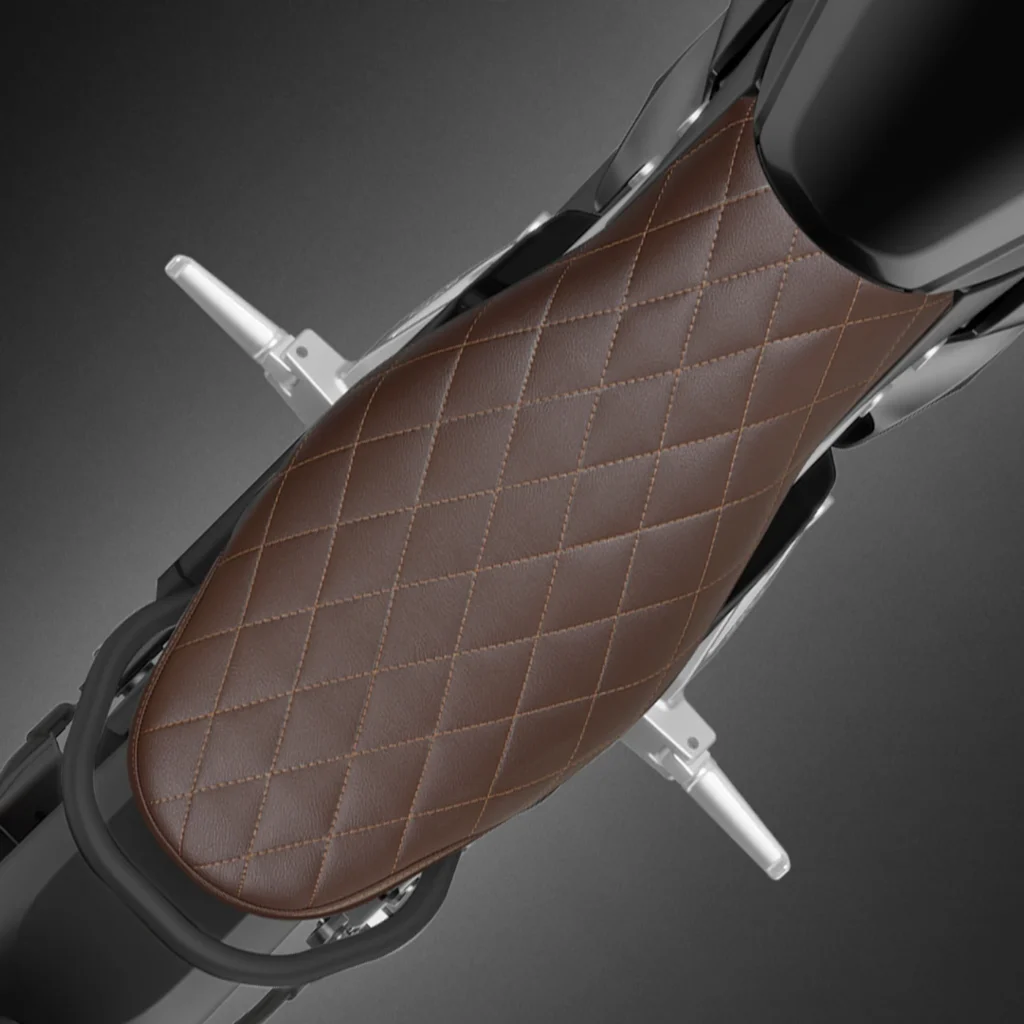
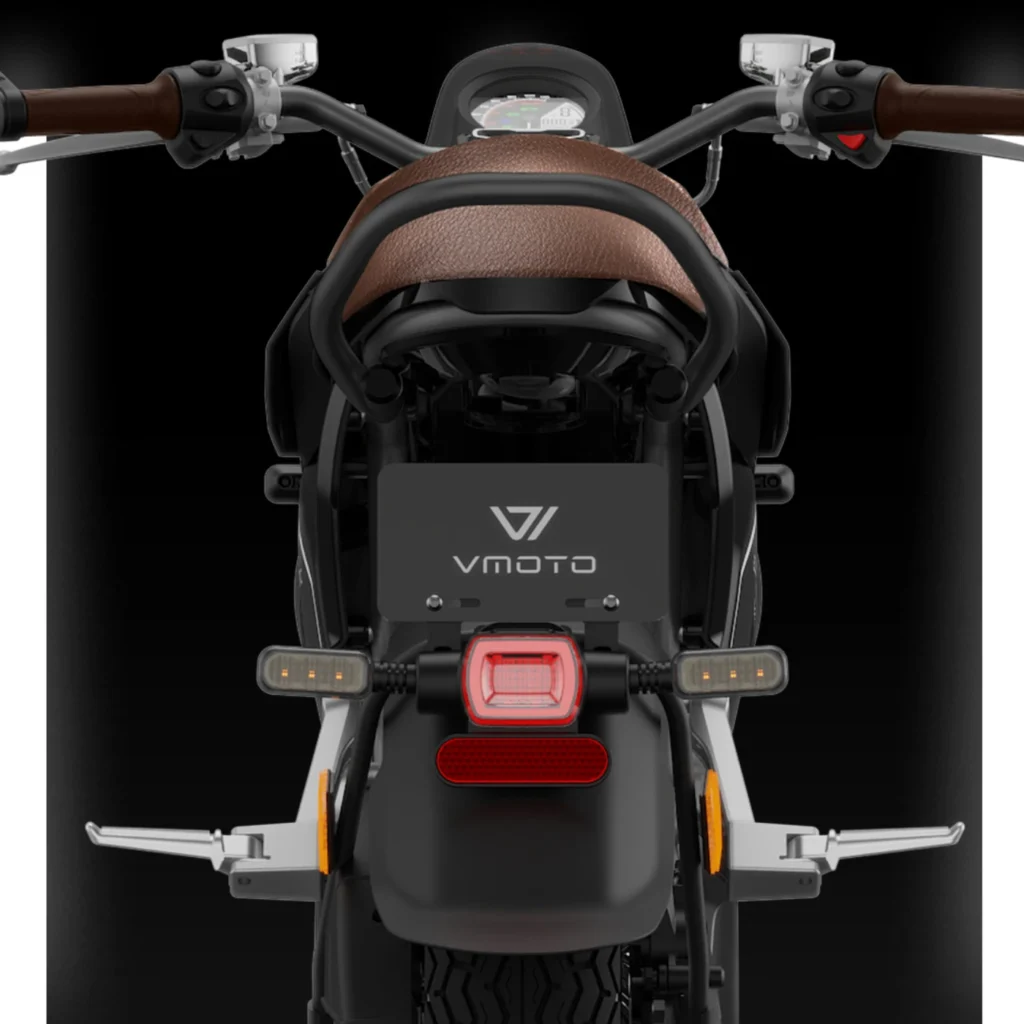
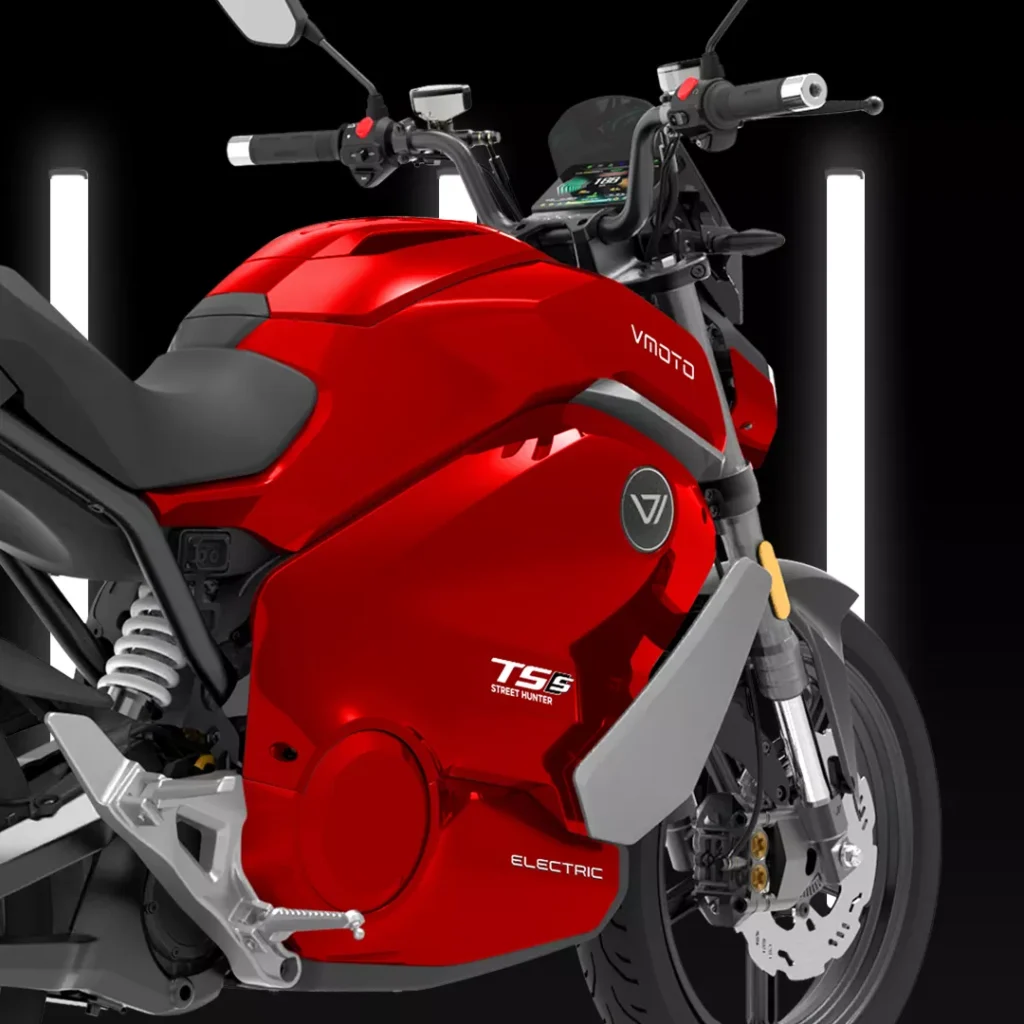
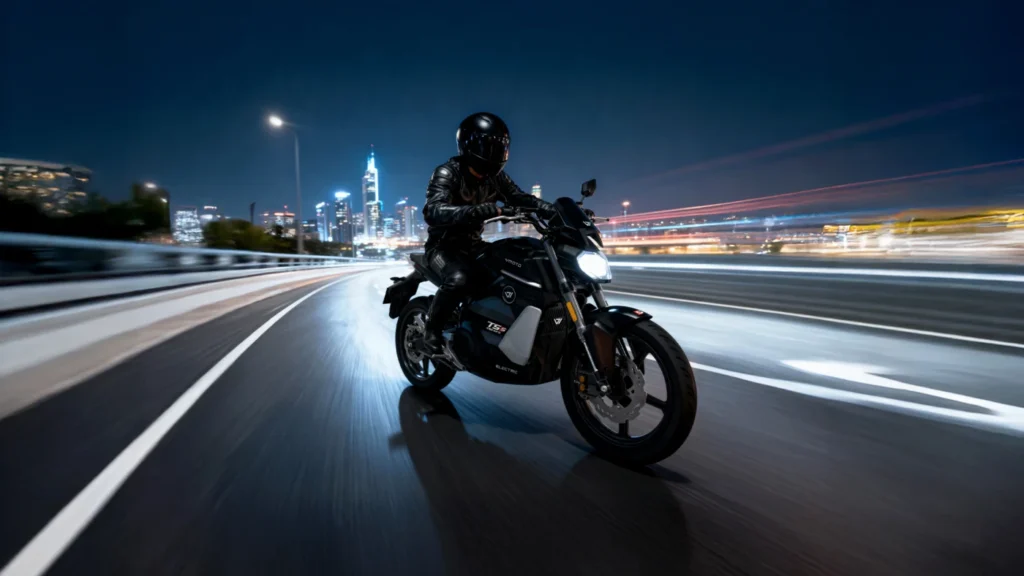
The TS Street Hunter S is where Vmoto pushes further into speed, rider aids, and a more overtly sporty feel. It still sits inside the brand’s urban electric logic, but it is aimed at riders who want something sharper and less utility-led than the company’s commuter scooters. Vmoto’s current brochure leans heavily into that mix of urban use, sport-bike character, and rider control.
That is the right way to understand it. What separates the TS Street Hunter S is not only the 105 km/h top speed, but the way the package is built around riding feel, control, and performance while still staying usable in everyday city conditions. The one- or two-battery setup matters too. Once performance rises, range flexibility stops feeling like an extra and starts feeling like part of the usable package.
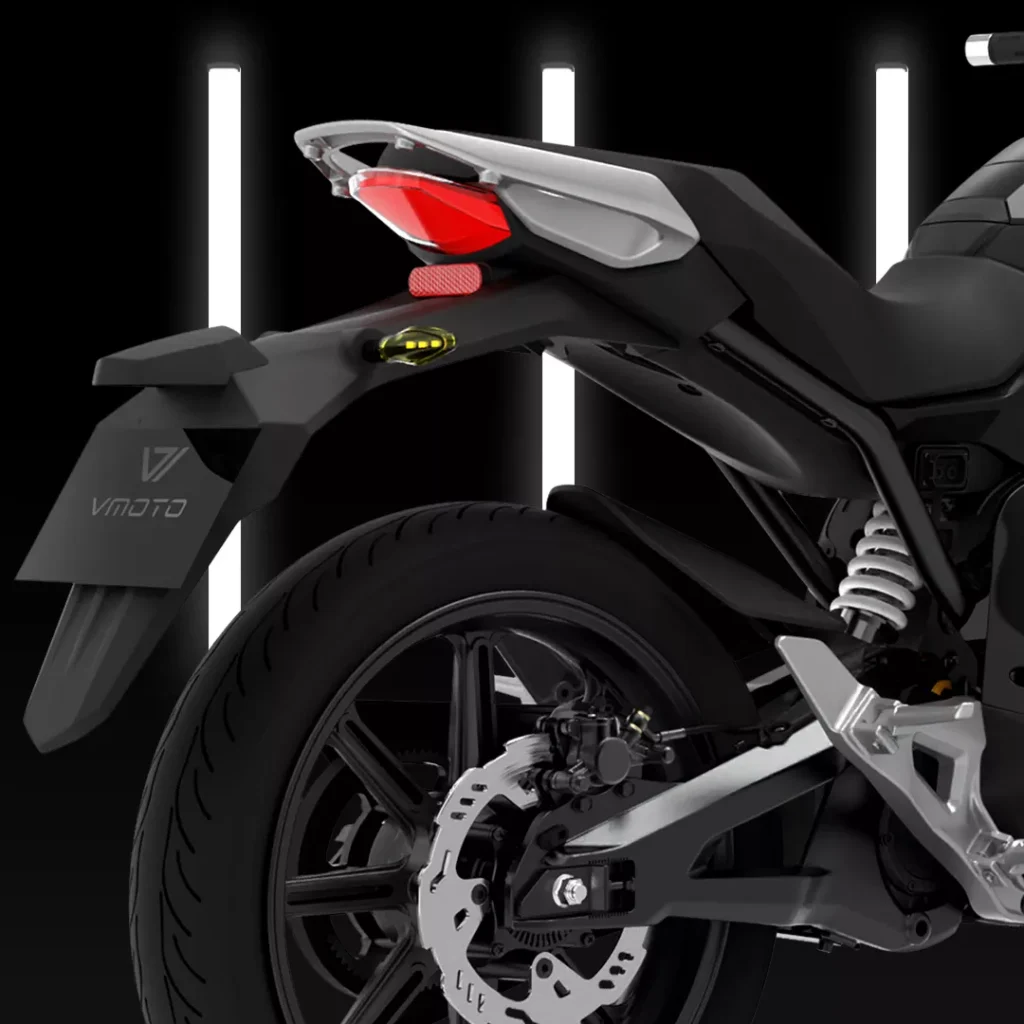
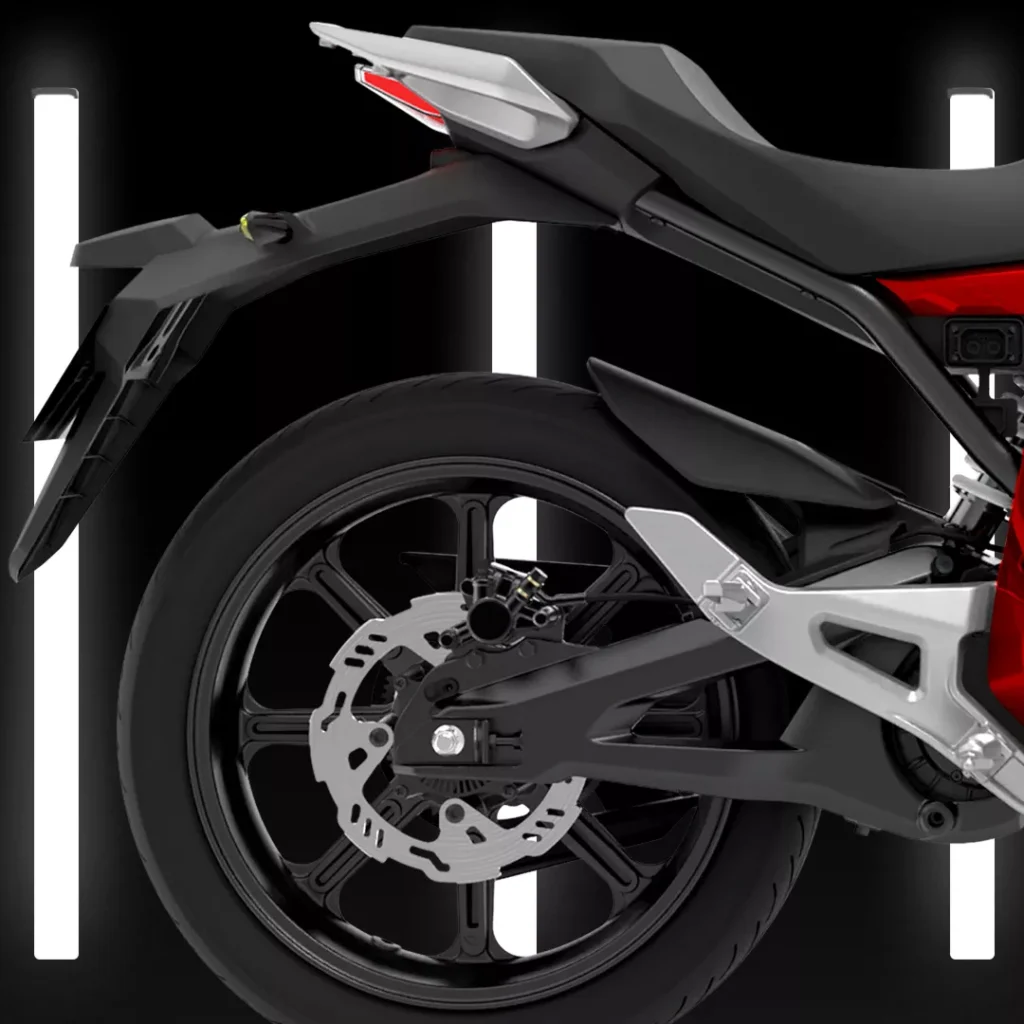
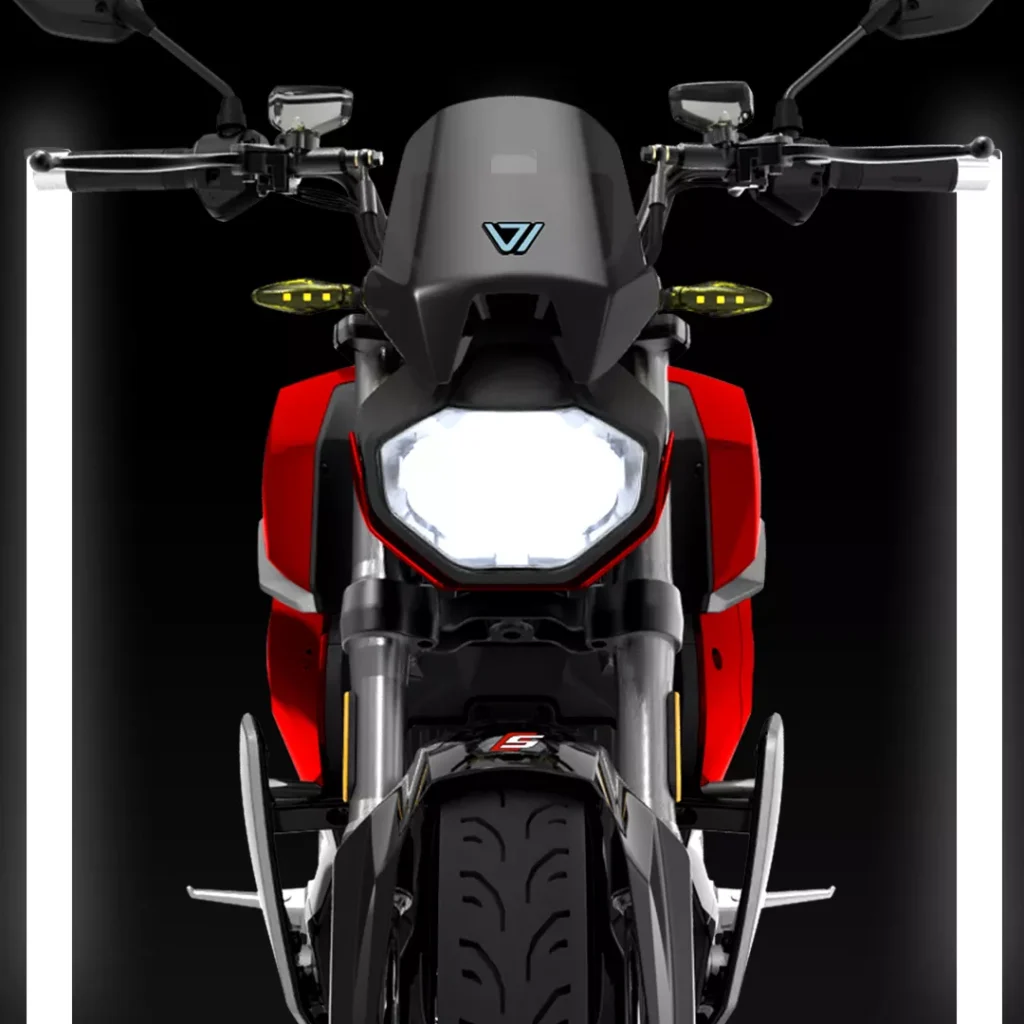
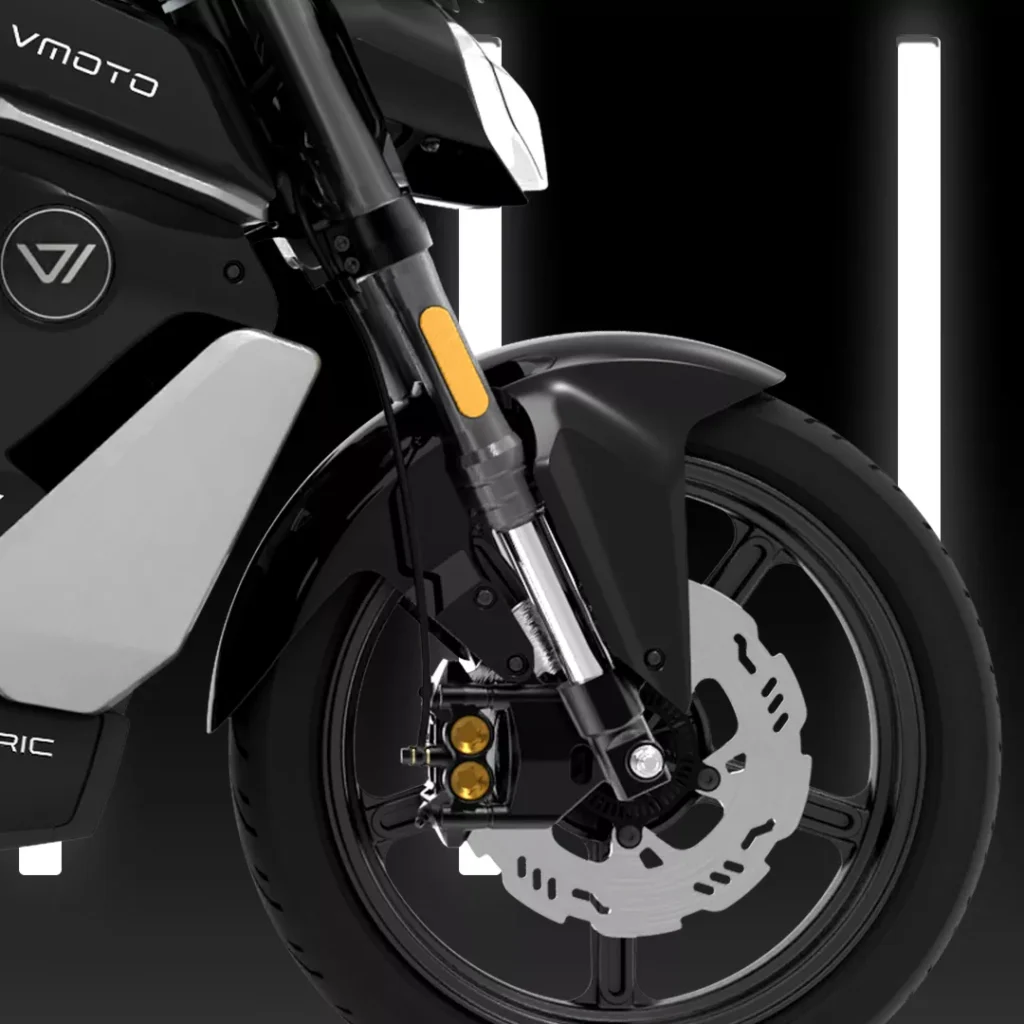
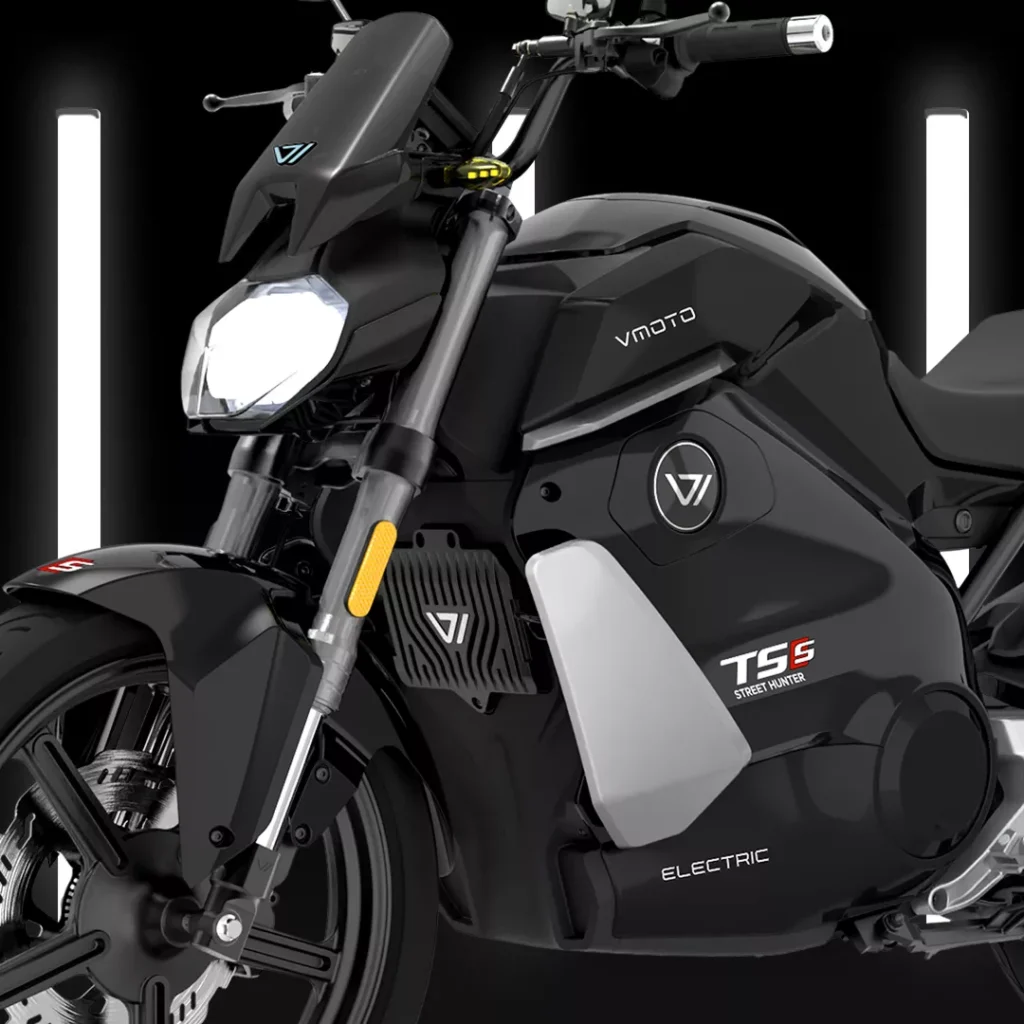
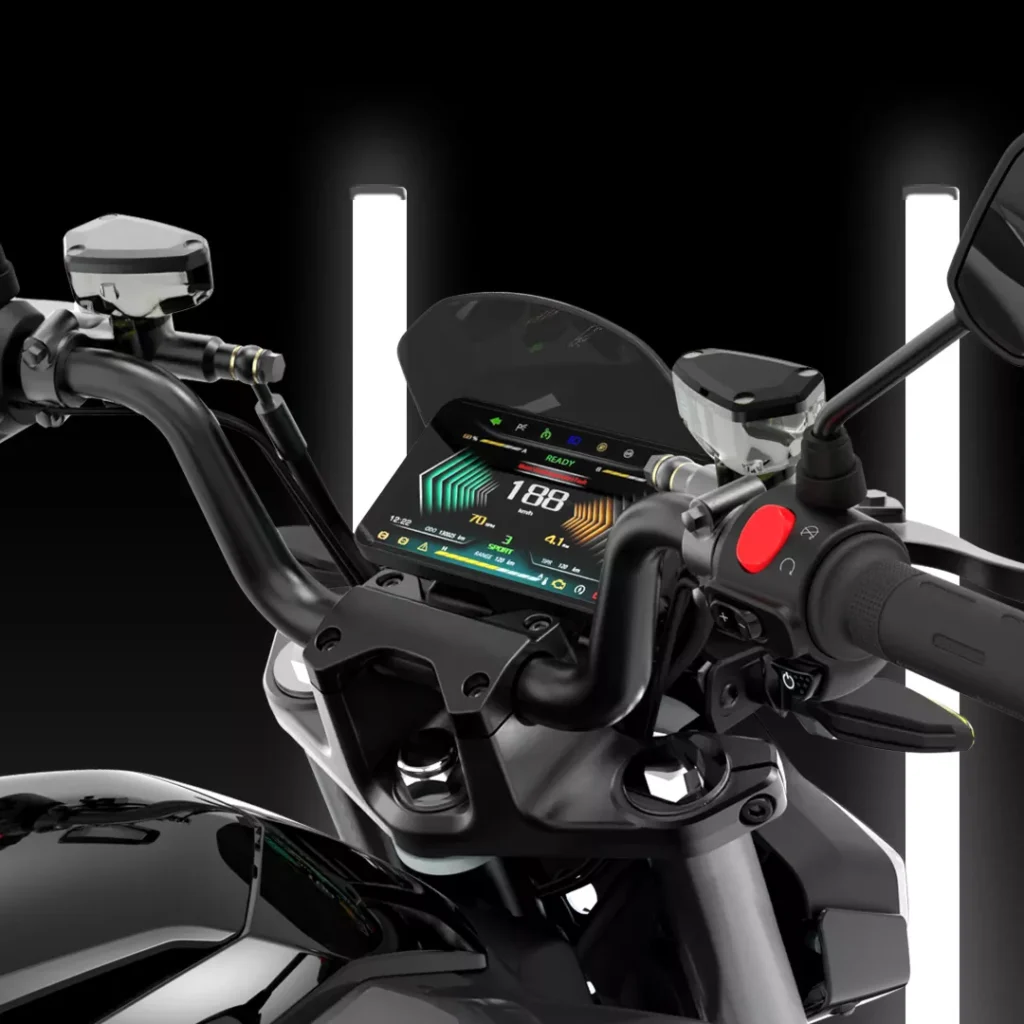
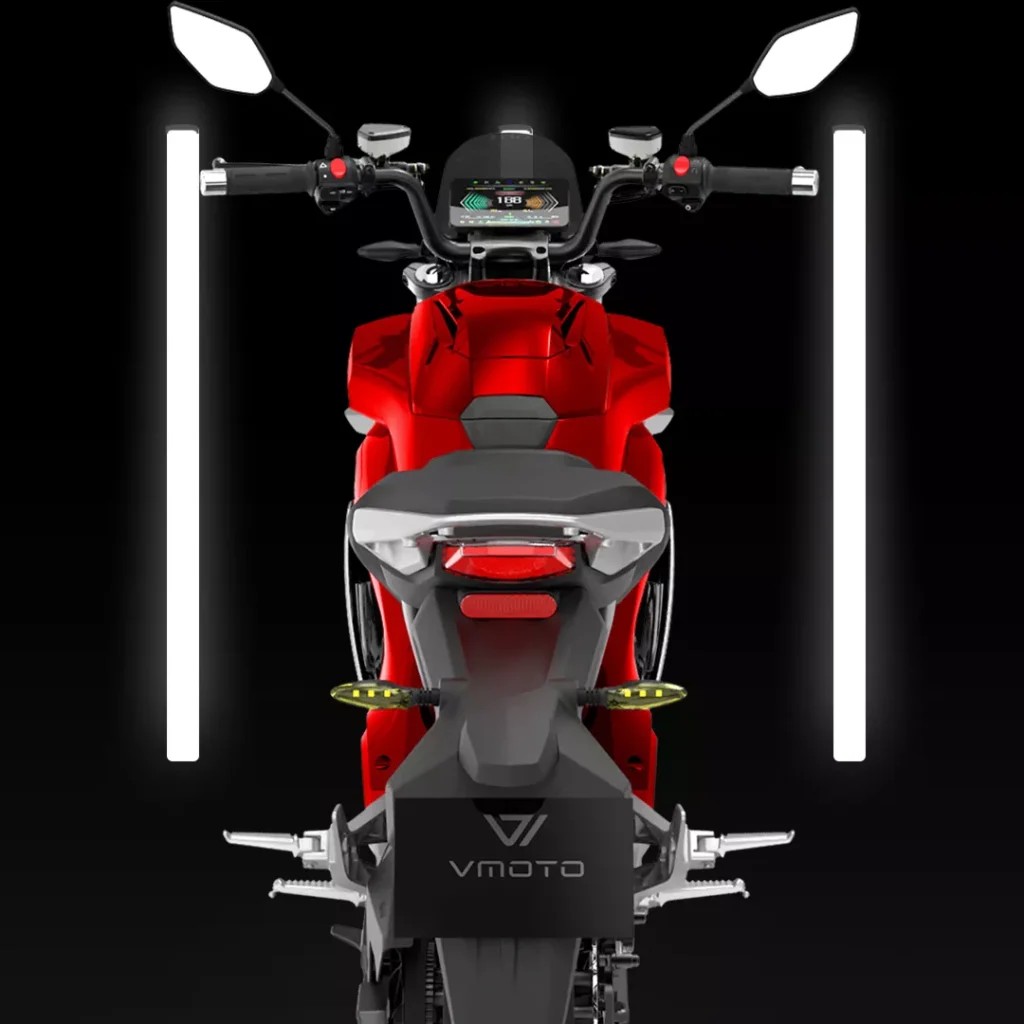
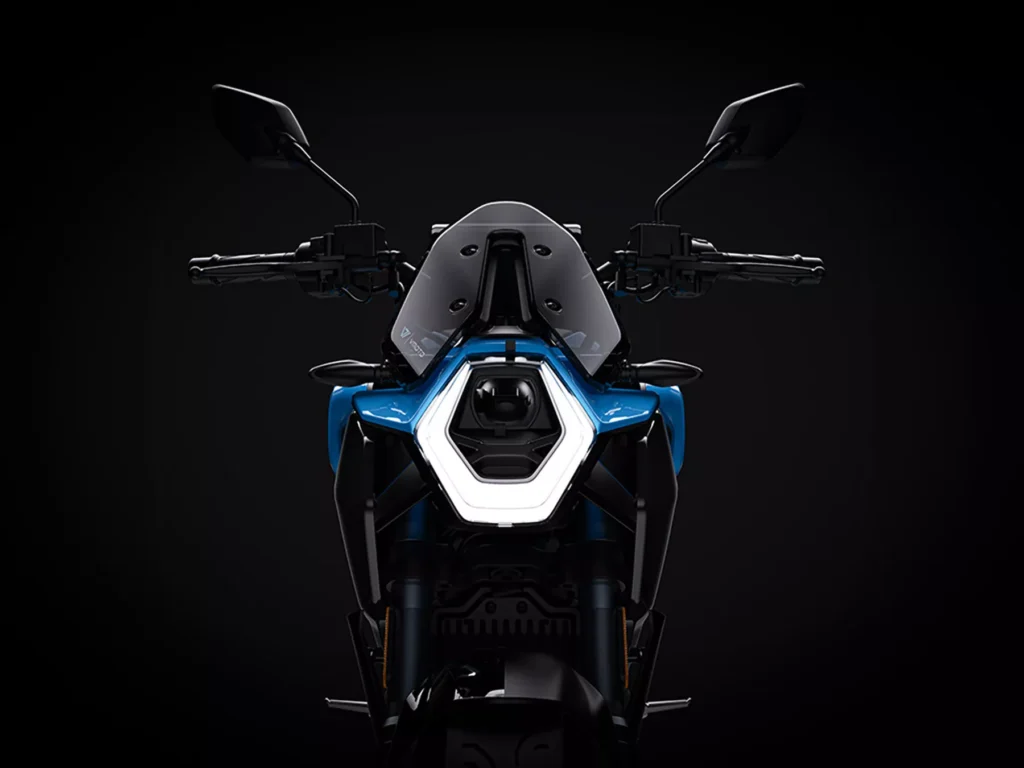
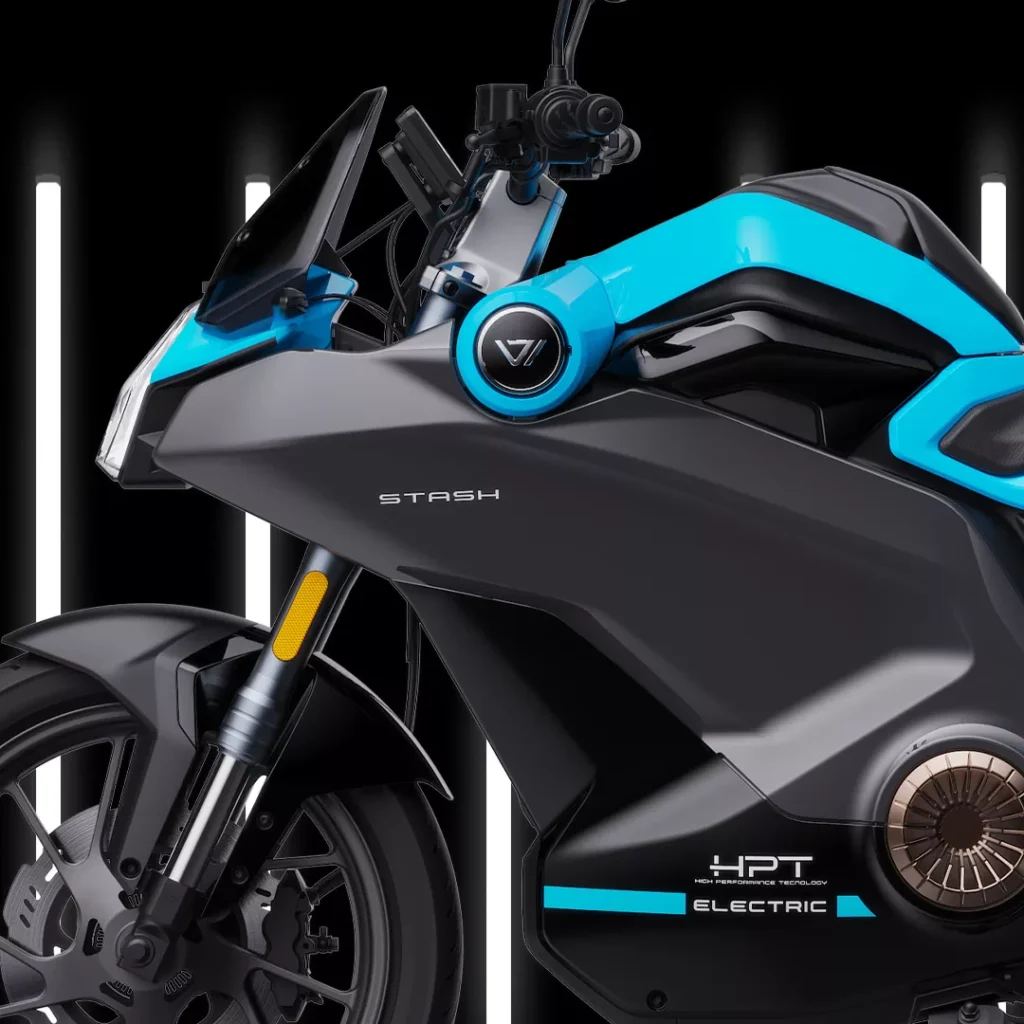
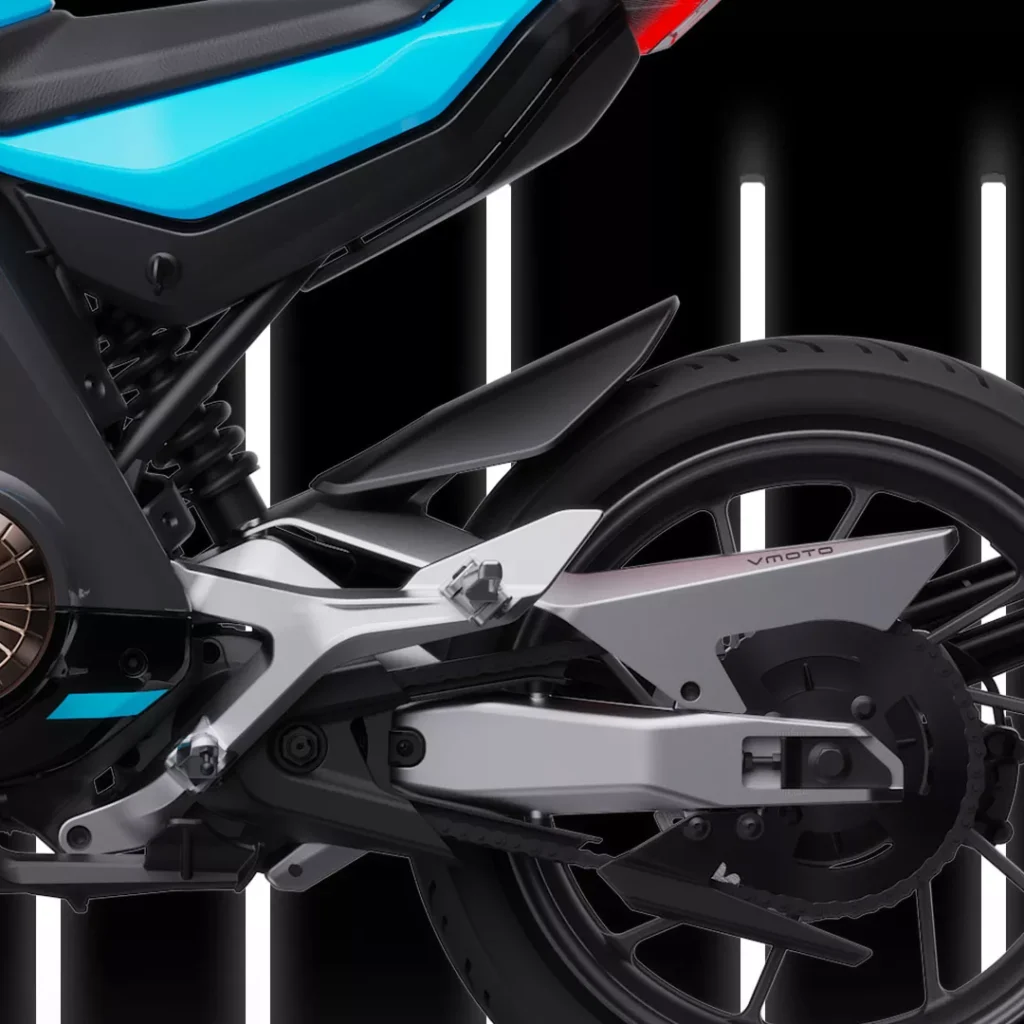
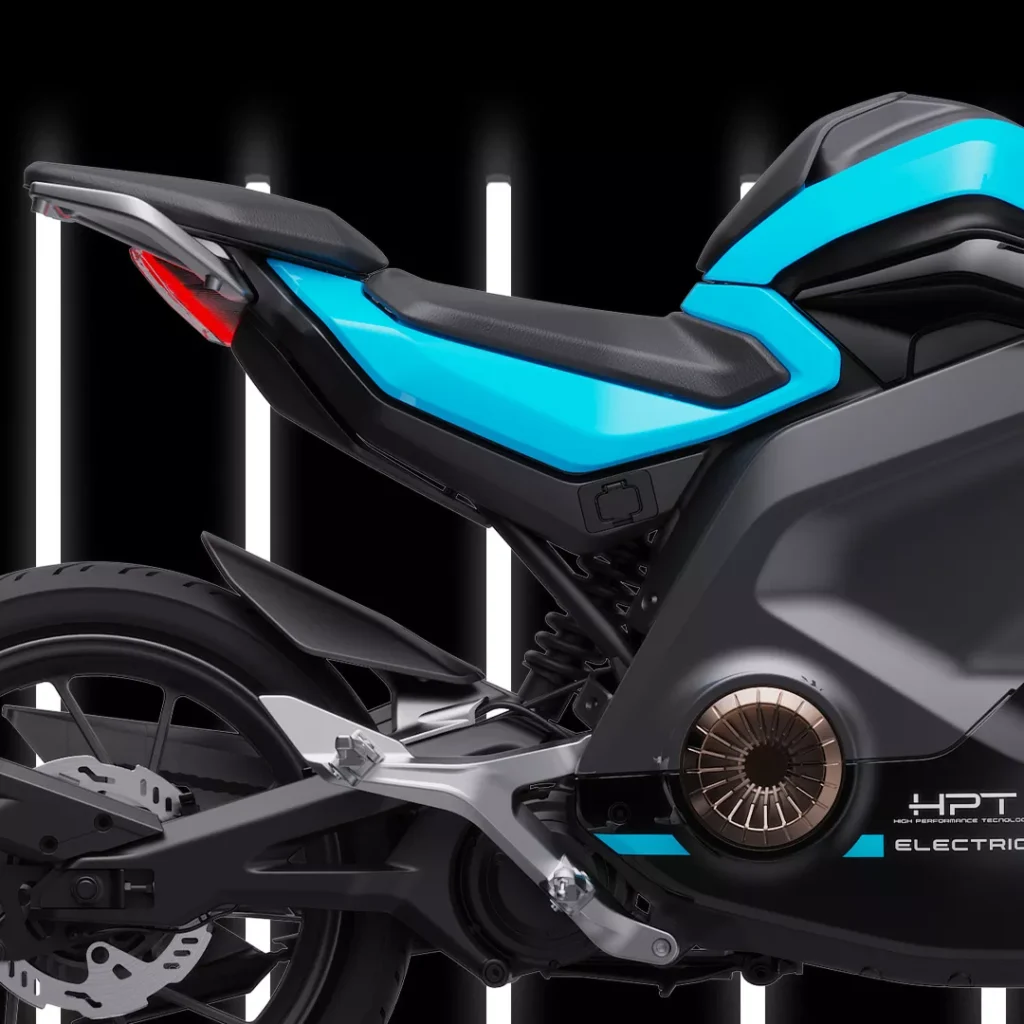
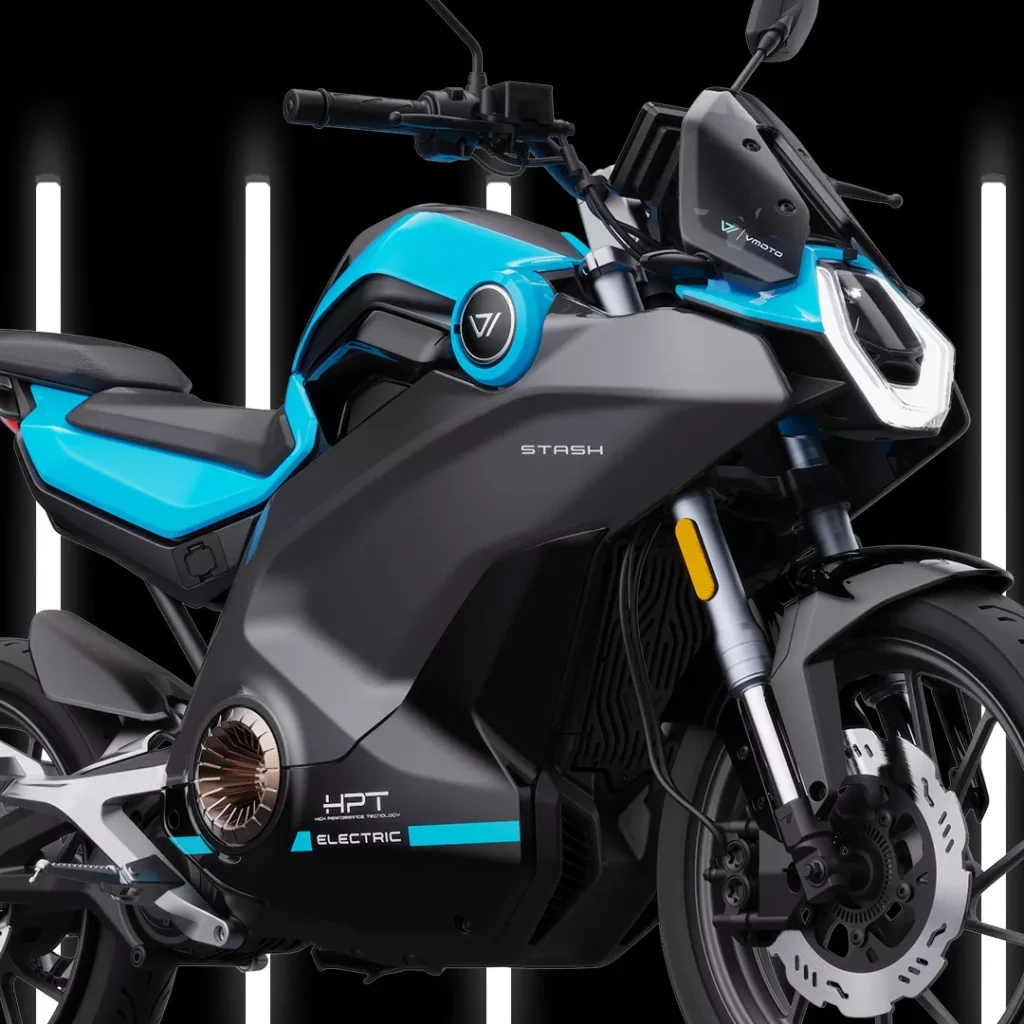
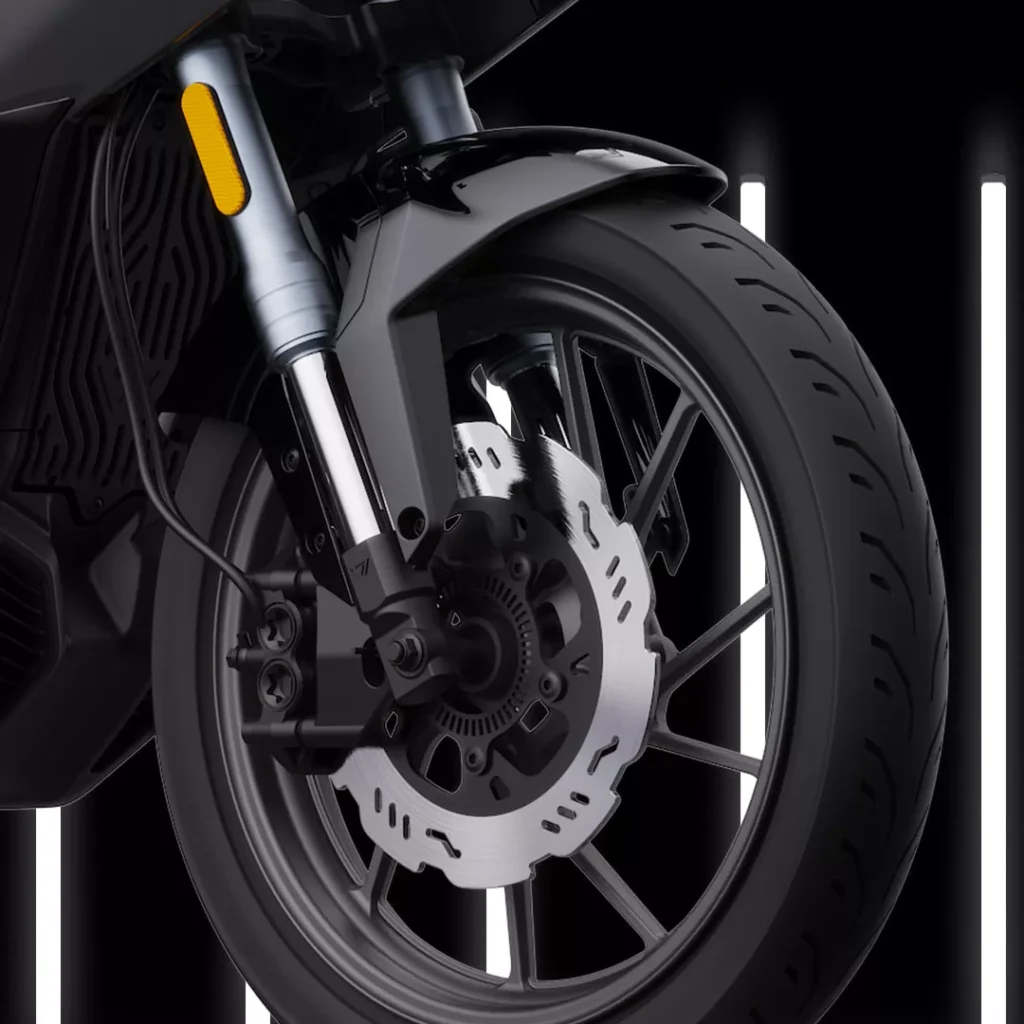
The Stash is Vmoto pushing further toward a real commuter-motorcycle role. Compared with the rest of the lineup, it brings more speed, more battery capacity, and a more serious replacement case for riders coming from petrol bikes rather than smaller city scooters.
The range figure comes with clear test conditions attached, so it makes more sense to read it as a signal of where the bike sits in the range rather than as an all-purpose real-world promise. What matters more is the overall role. The Stash is the part of Vmoto’s lineup that gets closest to a proper daily petrol-bike replacement for riders who need more speed, more stability, and more distance than the scooter side of the catalog is designed to offer.
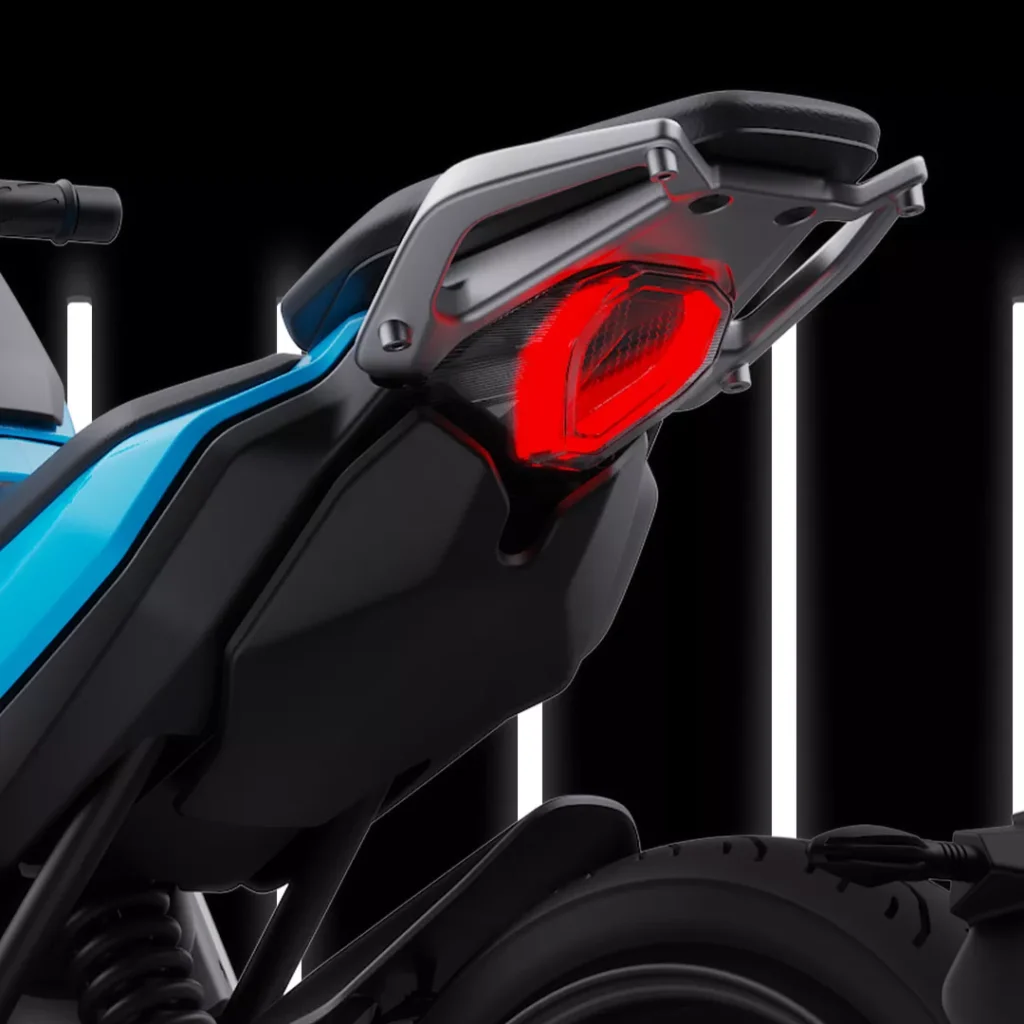
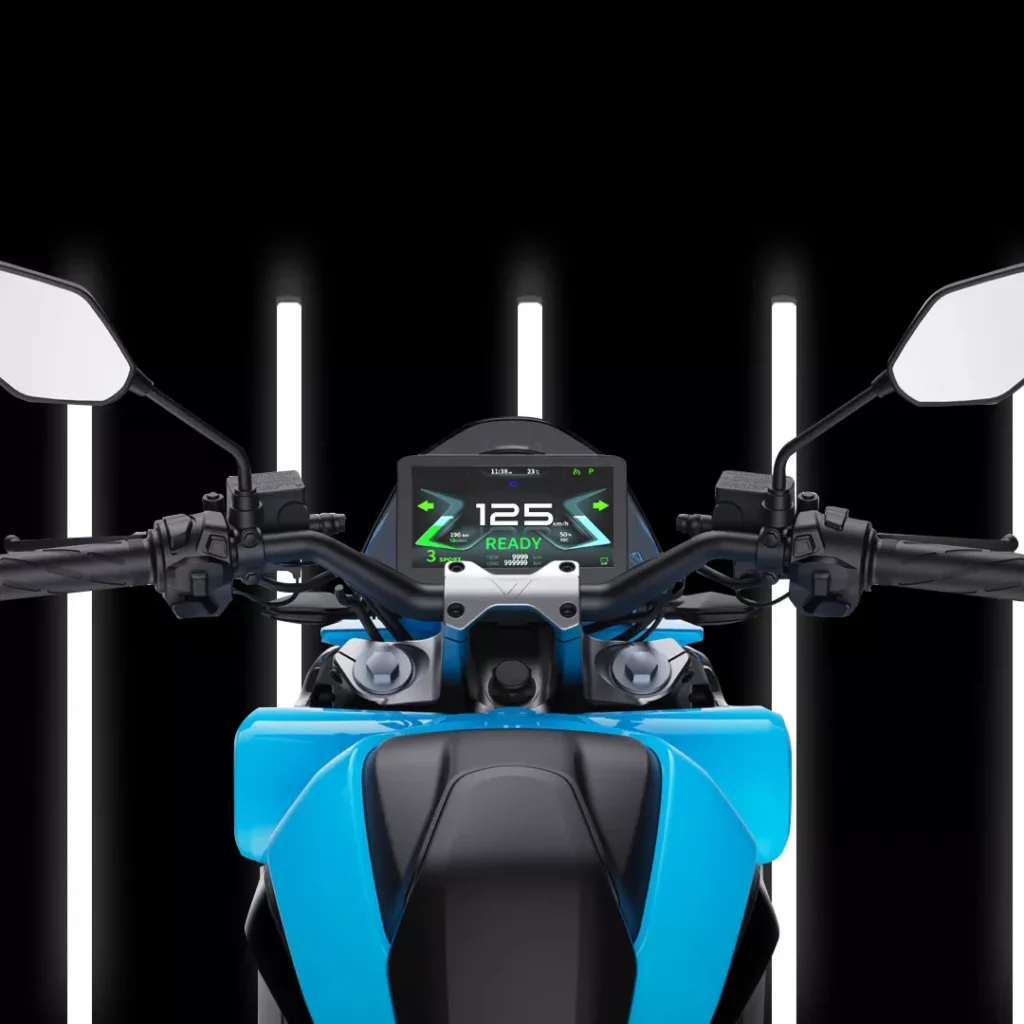
Here’s a simple table so you can quickly compare these models.
| Model | Role in lineup | Top speed | Power | Battery | Range | Charging / notes |
|---|---|---|---|---|---|---|
| CPx | Core urban all-rounder scooter | 90 km/h | 4.0 kW rated / 5.4 kW max | 74V/30Ah x2 or 74V/45Ah x2 | 105 km (30Ah x2) / 130 km (45Ah x2) |
Standard: 3.5 h/PCS (30Ah) or 5 h/PCS (45Ah) Optional: 1.5 h/PCS (30Ah) or 2.5 h/PCS (45Ah) Super fast: 0–80% in 30 min/PCS Braking: CBS |
| CPx PRO | Higher-performance commuter scooter | 105 km/h | 7.0 kW rated / 8.0 kW max | 74V/45Ah x2 | 106 km |
Standard: 5 h/PCS Optional: 2.5 h/PCS Super fast: 0–80% in 30 min/PCS Braking: CBS (with double calipers) |
| CPx Explorer | Delivery / utility variant of CPx PRO platform | 105 km/h | 7.0 kW rated / 8.0 kW max | 74V/45Ah x2 | 106 km |
Standard: 5 h/PCS Optional: 3 h/PCS Super fast: 0–80% in 30 min/PCS Braking: ABS |
| VS1 | Fleet / delivery scooter | 90 km/h | 4.0 kW rated / 5.4 kW max | 74V/30Ah or 74V/45Ah (optional 2 batteries) | 105 km (2×30Ah) / 130 km (2×45Ah) |
Charging time on page: Standard 5 h or 3.5 h/PCS Optional: 2.5 h or 1.5 h/PCS Super-fast charger listed: optional 6.6 kW Braking: CBS (with double calipers) |
| VS4 | Fleet-to-commuter crossover scooter | 90 km/h | 4.0 kW rated / 8.0 kW max | 74V/30Ah (2 batteries) or 74V/45Ah (2 batteries) | 110 km |
Standard: 5 h/PCS Optional: 2.5 h/PCS Super fast: 30 min 0%–80%/PCS Braking: CBS |
| TS Street Hunter S | Sport-leaning urban motorcycle | 105 km/h | 4.0 kW rated / 10.0 kW max | 74V/30Ah (1 or 2 batteries) | 100 km (2 batteries) |
Standard: 3.5 h/PCS Optional: 1.5 h/PCS Super fast: 30 min 0–80%/PCS Braking and traction: ABS + TCS |
| Stash | Flagship commuter motorcycle | 120 km/h (125 km/h with Sprint Boost) | 9.0 kW rated / 14.4 kW max | 74V/97Ah | 180 km* |
Charging time: 5.5 h Charging power: 1.68 kW standard / 2.94 kW optional Braking: ABS Feature note: page feature copy also mentions TCS |
| TC Max | Café-racer-style commuter motorcycle | 95 km/h | 3.9 kW rated / 5.1 kW max | 72V/45Ah | 92 km* |
Charging time: 4.5 h Charging power: 0.72 kW Braking: CBS |
In electric two-wheelers, the first sale is often won by price, range, or design. The harder test comes later, when the vehicle has to fit a real routine and keep doing it without becoming a problem. For private riders, that usually means the scooter is charged when they need it and simple enough to live with. For fleets, the standard is harsher. If vehicles sit idle waiting for power, maintenance, or repairs, the business case starts to weaken quickly.
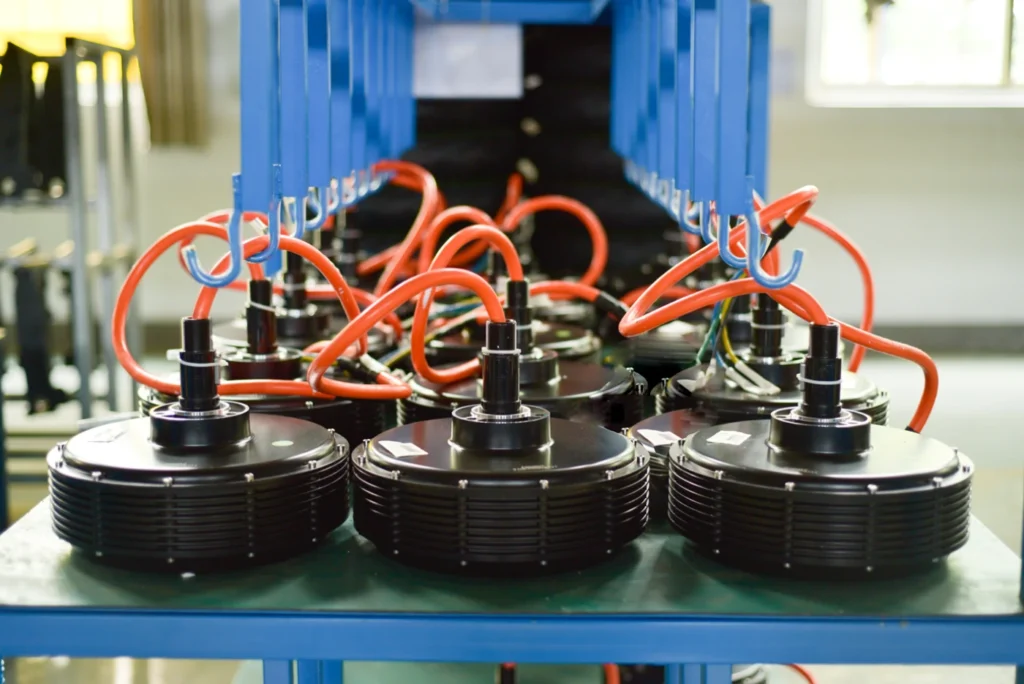
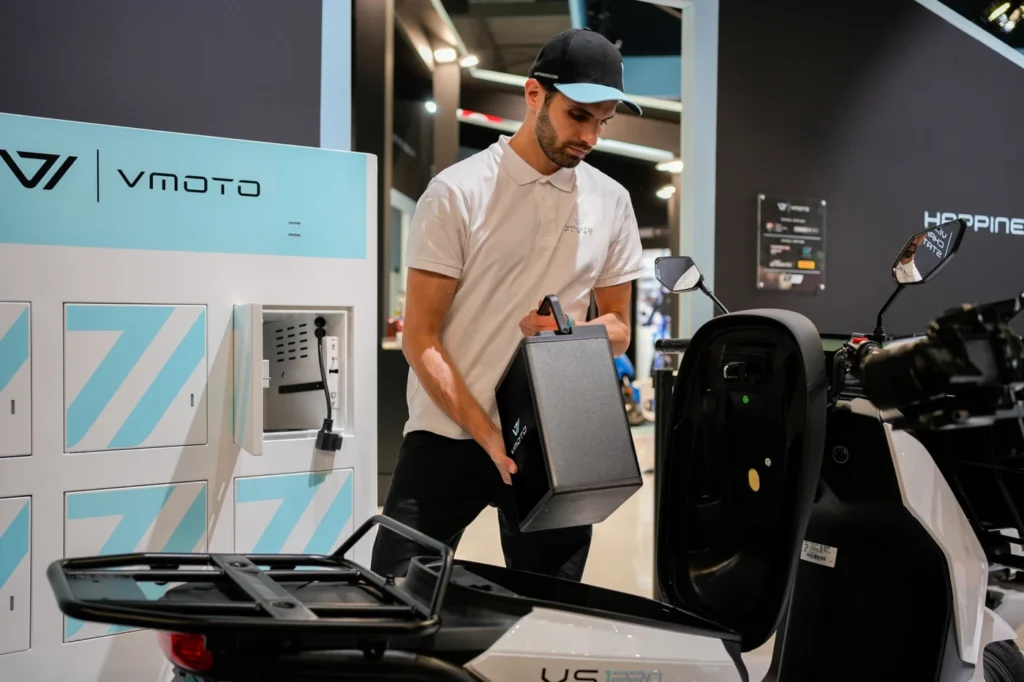
Vmoto’s answer to that problem is not one charging method. It is a broader operating system. On its EMS page, the company presents Vmoto EMS as an integrated electrification solution built around five elements: Vmoto Swapping Station, Vmoto Super Fast Charging Station, Vmoto Fast Charger, the 74V battery platform, and the Vmoto Fleet Platform. Vmoto says the 74V system comes in 74V/30Ah and 74V/45Ah formats, while the fast-charging system is designed for those batteries and positioned as a way to reduce charging time significantly.
That matters because the real question is not whether one charging option looks best on paper. It is whether the routine fits the job. In practice, the logic breaks down fairly clearly:
That last point is analysis rather than a company claim, but it matches the way Vmoto frames EMS: less as a single product feature and more as a toolkit for reducing charging friction and managing uptime.
Vmoto also extends that logic into fleet operations. On the EMS page, the company says its Fleet Platform is designed to help operators monitor vehicles and batteries, optimize routes, reduce downtime, and access real-time data through a centralized management layer. That matters because in fleet use, the battery is only part of the problem. The bigger issue is whether the whole operating loop stays efficient once vehicles are used hard every day.
The more ambitious part of this story is swapping, but it is best kept in proportion. Vmoto includes swapping in the EMS ecosystem, and in its Uber partnership announcement the company says it is collaborating on Europe’s first pilot battery-swapping network for electric scooters, starting in London. The same announcement says the wider Uber program spans seven cities and aims to help 100,000 Uber riders in Europe transition to electric scooters and motorcycles by 2030. That is meaningful as a signal of intent, but it is still best read as pilot evidence rather than proof of broad charging infrastructure coverage across Europe.
The real question is not whether the tools exist. Vmoto clearly has a battery platform, multiple charging routes, a fleet layer, and an early swapping pilot. The harder question is whether those tools can deliver low enough downtime, simple enough routines, and consistent enough support once scooters are working under real urban pressure. That is where commuter convenience turns into fleet credibility.
Vmoto’s Europe strategy starts with local coverage. The company relies on dealers and distributors to handle sales, warranty, and service, then uses fleet activity to prove the bikes under real pressure before broader retail trust has to do the rest.
That approach fits the way this market works. In electric two-wheelers, buyers do not only judge the product. They judge how easy it is to buy, service, and keep running once the first problem shows up. Vmoto’s own dealer materials say the brand is present in 65 countries with more than 1,500 dealers worldwide, which helps explain why service proximity sits so close to the center of its Europe playbook.
Across Europe, the pattern is fairly consistent. Local points of sale and support reduce purchase risk. Fleet programs create visible proof in public. Then the operating layer, including charging, swapping, and fleet management, tries to make higher-usage ownership more manageable. Vmoto’s strategy only really works if those three parts stay connected.
Vmoto leans on a dealer and distributor structure because in two-wheelers, service proximity is part of the purchase decision. A rider is much more likely to buy when they can test-ride locally, ask basic questions face to face, and trust that warranty or repair issues will not turn into a cross-border headache.
Two details make that pretty clear:
That matters in Europe because the market is fragmented. Licensing rules, homologation classes, service expectations, and buying habits still vary country by country. A brand can look coherent on paper and still feel inconsistent once it lands in different local markets.
Fleet use is where Vmoto gets more meaningful proof. The company’s partnership with Uber is the clearest current example. Vmoto says the program covers seven European cities and is aimed at helping 100,000 Uber riders in Europe move to electric two-wheelers by 2030, using model discounts and partner support to make adoption easier.
That matters because fleets compress the real questions quickly. They expose weak parts flow, slow repairs, poor charging routines, and scooters that feel fine in a test ride but less convincing after months of hard use. When a brand keeps showing up in these programs, it usually means the product and support model are at least credible enough to survive contact with daily work.
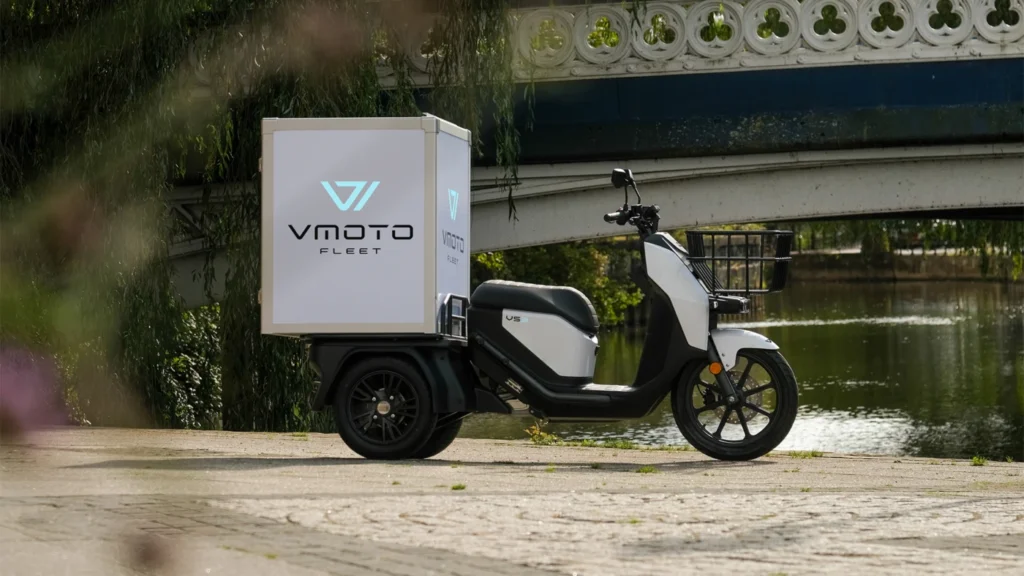
Vmoto is also trying to build an operating layer around the vehicles. Its EMS concept covers charging stations, battery swapping, a super-fast charger, the 74V battery system, and a fleet platform for monitoring vehicles and batteries. On paper, that gives the company more than a scooter catalog. It gives it tools aimed directly at downtime.
The most interesting current proof point is the London battery-swapping pilot connected to the Uber partnership. Vmoto frames that pilot around one practical goal – cutting courier downtime. That is the right problem to focus on. Faster charging sounds good in a brochure. Lower idle time is what operators actually feel.
The harder part is moving from concept to repeatable use. Swapping only becomes useful at scale when several things stay true at once:
If Vmoto can make that work beyond pilots, it gives the company a stronger answer to one of the biggest pain points in high-utilization riding.
Put together, Vmoto’s Europe strategy runs on three connected layers:
The weak point is consistency across borders. Europe rewards brands that feel local in every market, not just present on a map. Parts need to be available, warranty decisions need to move, and workshops need to know the product well enough to return vehicles quickly. When that slips, reorder behavior usually tells the story before marketing does.
Partnerships are one of the clearest ways to judge whether Vmoto’s scooters hold up beyond the showroom. Dealer coverage matters, but fleet and operator programs put the product under harder conditions, where reliability, repair speed, charging routine, and total cost start to show up quickly in real use.
That is why Vmoto’s current European partnership story matters, especially the company’s work with Uber. Vmoto says the program covers seven cities in Europe and is designed to help Uber riders, rental operators, and fleets move into electric two-wheelers with discounted access to the range. That gives the company a live proving ground in the kind of stop-start, high-utilization work where weak products get exposed fast.
The most interesting operational thread inside that partnership is the London battery-swapping pilot. Vmoto and Uber describe it as a way to reduce courier downtime, which makes it more relevant than a generic charging announcement. For high-mileage riders, the problem is usually not theoretical range. It is how much of the day gets lost when the battery runs low and the shift has to bend around charging.
Vmoto also points to a Deliveroo UK case study, which helps support the company’s broader claim that its scooters are being used in practical delivery roles. That is useful context, even if it is not as strong a proof point as the Uber program. Older partnerships, like the Helbiz fleet expansion in Italy, still show that Vmoto has been pushing into this part of the market for years, but they should be read more as background evidence of fleet intent than as current strategic validation.
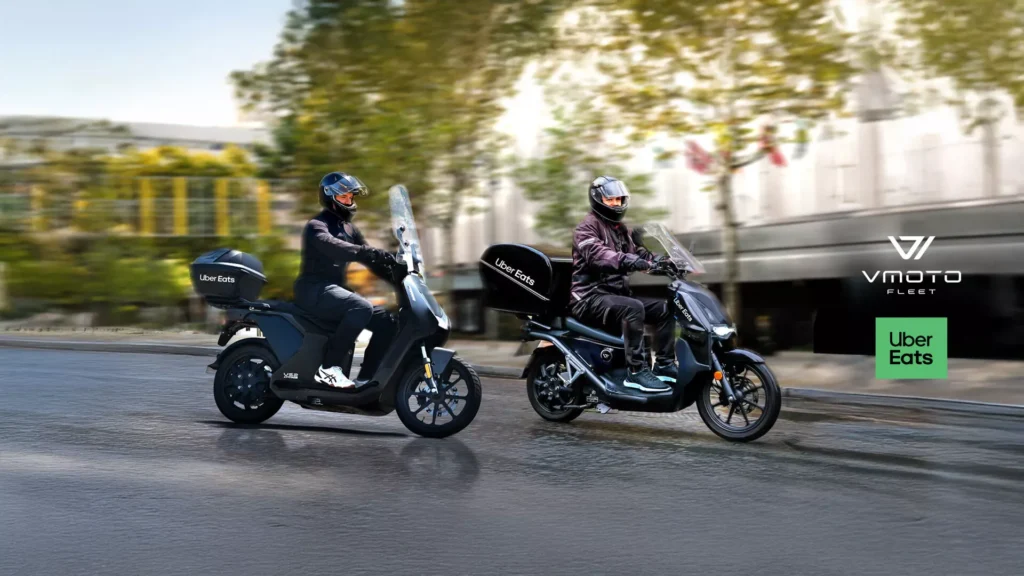
Fleet activity matters because it compresses the real questions into one operating loop. The scooters have to survive daily use, service has to behave on a business timeline, and charging has to fit the shift rather than interrupt it.
A few things matter more than anything else:
Vmoto’s current partnership mix suggests the company understands that. The Uber program is the strongest signal because it is current, multi-city, and tied directly to riders who feel downtime immediately. The London swap pilot matters for the same reason. It focuses on lost minutes, which is usually the first operational pain point couriers notice. Deliveroo adds a useful supporting example. Helbiz is better treated as older evidence that Vmoto has been pursuing fleet relevance for some time.
What partnerships still do not prove on their own is broad pan-European scale. Announcements can look bigger than the rollout underneath them. The cleaner signal is repetition: more cities, more operators, and more follow-on deployment once the scooters have been used hard enough for the weaknesses to show. That is the part worth watching most closely.
Vmoto sits in the part of Europe’s electric two-wheeler market where daily utility carries the most weight – commuting, delivery, shared fleets, and riders replacing petrol scooters with something simpler to run.
A good comparison comes down to three practical signals:
With that lens, Vmoto’s position becomes easier to judge and the differences between brands show up fast.
Vmoto and Silence are both trying to solve everyday urban mobility, but they start from different pressure points. Silence has built a bigger part of its case around energy access, especially through removable batteries and a swap network that ACCIONA says reached 1,200 exchange points across 120 stations in Spain in 2024, with further expansion planned after that. That makes Silence easier to understand in places where charging access is the daily problem and the network is already dense enough to matter.
Vmoto takes a more conventional route. The company leans on local dealer support, broader model coverage, and fleet-friendly operating logic rather than making battery swapping the center of the story. That can be the easier system to run across multiple cities when service consistency and familiar support channels matter more than infrastructure-led charging convenience.
In practice, the split looks like this:
The useful distinction is simple. Silence is strongest where infrastructure density gives the battery model real weight. Vmoto is strongest where conventional support, model choice, and operational flexibility matter more.
NIU usually lands more cleanly on the consumer side of the market. Even its official European storefront presents the brand in a way that feels very commuter-first, with clear scooter ranges, direct online purchase logic, and messaging built around stylish urban riding and everyday convenience.
Vmoto reads differently. The product range feels more comfortable in harder daily use, and the company’s broader positioning leans closer to utility, dealer support, and fleet readiness. Even the consumer-facing models often feel like tools built for regular use rather than lifestyle objects built mainly for private-rider identity.
Where the difference shows up most clearly:
That is why the overlap is real, but not complete. NIU makes the private-rider decision easier to understand quickly. Vmoto is more convincing when the use case starts to look more demanding and less personal.
The BMW CE 04 is playing a different game. BMW positions it as a premium urban mobility product with more power, more design presence, and a more polished ownership experience. Official BMW material highlights 31 kW max power, 130 km WMTC range, rapid charging capability, and a strong lifestyle-led presentation around modern urban riding.
Vmoto is not really trying to meet that on the same terms. Its value sits much closer to repeatable ownership, workable operating costs, and the ability to put more than one vehicle on the road without turning every purchase into a premium decision.
The contrast is straightforward:
Legacy OEMs still carry a big advantage in Europe because buyers already know the names and already trust the service structure behind them. Piaggio, Yamaha, and Honda all maintain broad official scooter or motorcycle sales coverage in Europe, with dealer and distributor networks that make local support feel familiar before the customer has even looked at the spec sheet.
Vmoto’s advantage is different. Electric two-wheelers are central to the business, so the lineup, messaging, and product logic are more directly tied to urban electric use and fleet-style routines than they often are at the legacy brands. That focus can make the range easier to justify when the buyer wants an electric-first option rather than an electric side branch of a much larger portfolio.
Most of the real decision still comes down to local conditions:
Service scale is still the real test. In Europe, the product is only half the purchase decision. The rest is parts lead times, repair turnaround, warranty handling, and whether operators reorder after the first batch has lived through rain, curb hits, and daily mileage. A scooter can look strong on day one and still lose a fleet on day thirty if a simple repair takes too long.
That pressure is not theoretical. Vmoto’s 2024 annual report says total sales fell to 17,038 units, down 32% year over year, while international sales fell to 13,351 units, down 26%. That makes support quality, reorder behavior, and execution discipline even more important to watch.
Regulation can quietly slow growth. Europe’s rules are still fragmented, and small differences create real friction at the point of sale. A model that fits neatly into one country’s licensing and insurance norms can become much harder to explain in the next. When dealers spend too much time clarifying categories, speed classes, and paperwork, conversions start to drop even if the scooter itself is solid.
Charging only helps if it fits the shift. Fast charging and swapping sound useful, but the real question is whether riders can actually rely on them when it matters. If a courier hits low battery in the middle of the day and the solution depends on a detour, one specific location, or equipment they cannot realistically use, the benefit stays theoretical. Riders and operators build routines around what is dependable, not what looks good in a product launch.
Fleet economics move faster than brand perception. Fleets do not need to be convinced that electric is the future. They need the spreadsheet to hold up. If downtime creeps up, or consumables and minor repairs start stacking, the rollout slows even when riders like the scooters. The strongest proof shows up in behavior: repeat orders, wider deployments, and standardizing one model across multiple cities.
Competition is tightening from both directions. NIU and Silence keep improving, while legacy OEMs can lean on financing, dealer density, and stronger aftersales whenever they choose to push harder. Vmoto’s defense is execution: availability, serviceability, and a price point that still makes sense when buyers are adding more than one unit.
The range can blur the story if it is not kept tidy. Vmoto covers commuters, fleet workhorses, and motorcycle-shaped options, which is useful, but also easy to overcomplicate. If buyers have to decode overlapping models and minor spec differences before they understand what fits their use case, momentum gets lost. The winners in this category are usually easy to explain and easy to match to a job quickly.
Vmoto still has a believable opening in Europe, but it is trying to capture it in a tougher commercial moment than the category hype sometimes suggests.
The opportunity is still real. Europe is moving into a more practical phase of electrification, where the real questions are cost per kilometer, ease of charging, local access rules, parking pressure, and whether a scooter fits a normal week of commuting, delivery work, and errands. That shifts the definition of “winning.” The brands that pull ahead are usually the ones that deliver boring reliability at scale: vehicles that start every morning, charge in predictable windows, survive rough city use, and get fixed quickly when something breaks.
Vmoto has a credible path in that environment because the lineup sits close to what cities actually need. It covers commuter scooters with enough speed for mixed traffic, fleet-oriented models built for repetition, and motorcycle-shaped options for riders who want something closer to a petrol replacement. Just as importantly, the company keeps showing up in higher-usage environments where weak products tend to get exposed early.
The next phase comes down to execution. Vmoto needs the support layer to grow with sales: parts availability, warranty handling, and service coverage that feels local across multiple countries, not just in a few stronger regions. It also needs to keep the range easy to understand, so buyers can match a model to a use case without working through too many overlapping variations.
The next 12 to 24 months should make the picture clearer. Vmoto does not need to dominate every corner of the market to matter in Europe. It needs to prove that its operating logic can hold together across more countries, more riders, and more demanding use cases than it supports today.