


Charging Stack Podcast: Luvly and The Flat-pack Microcar Platform Built for City Scale
Share your love
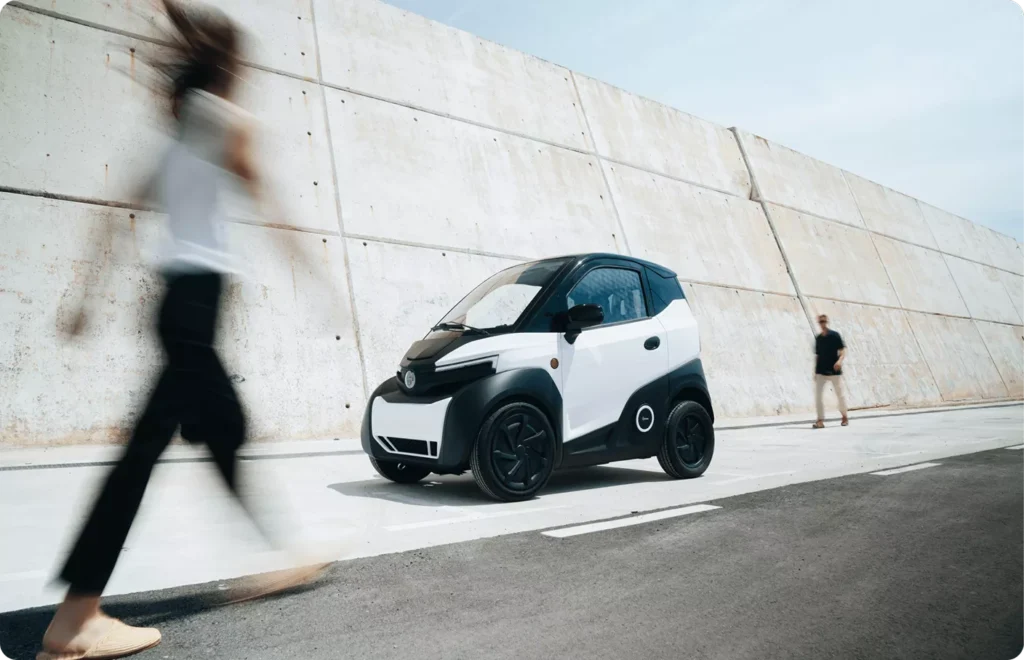
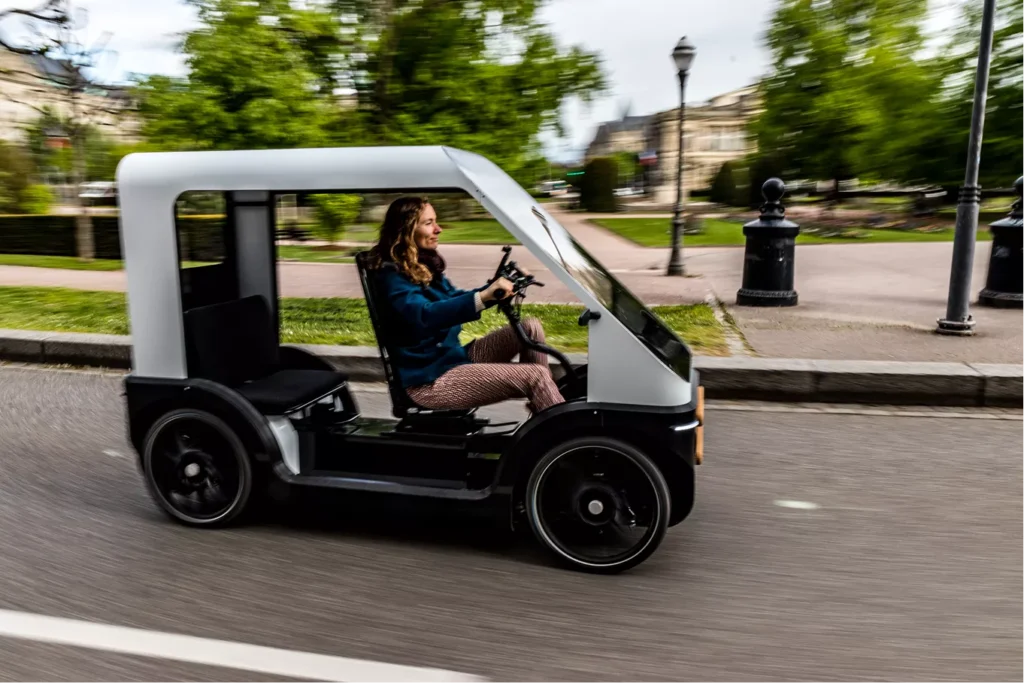
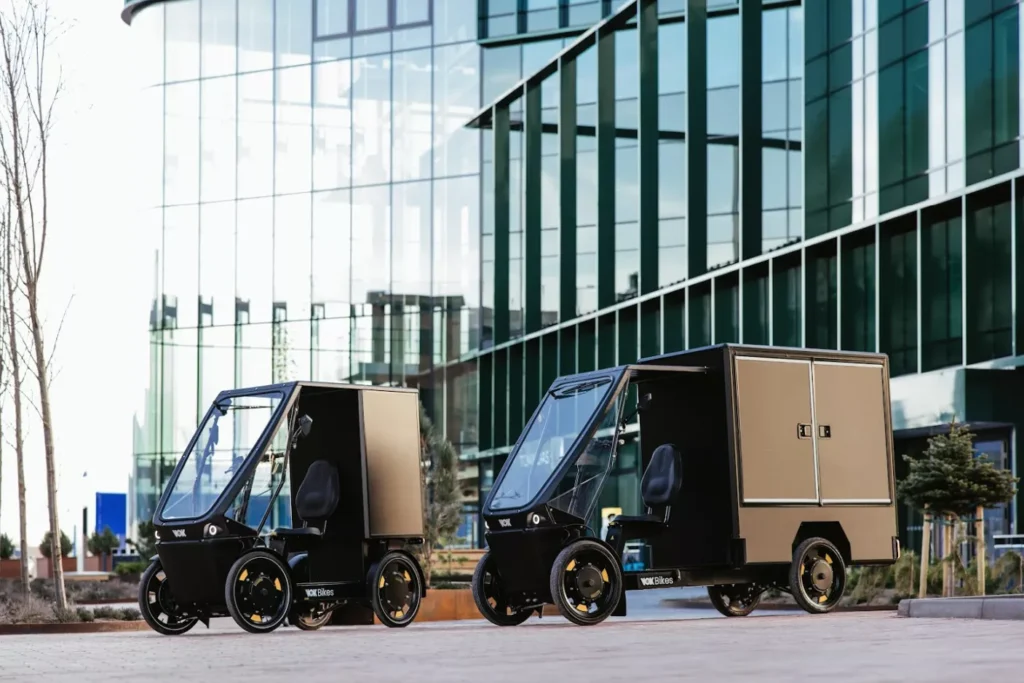
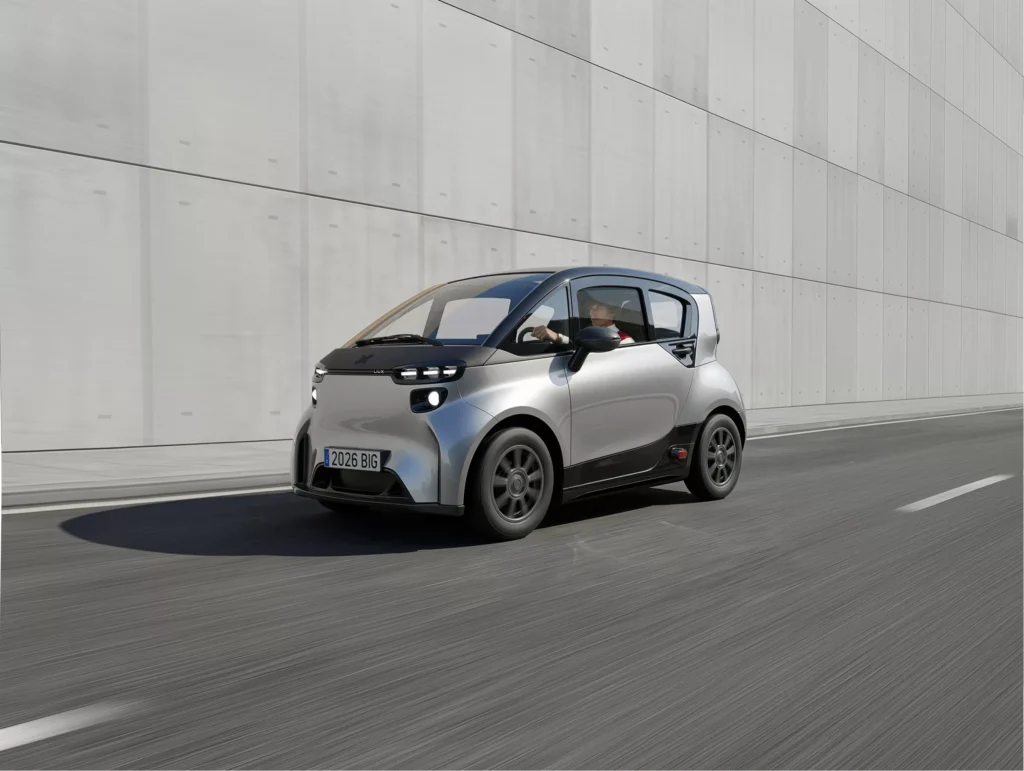
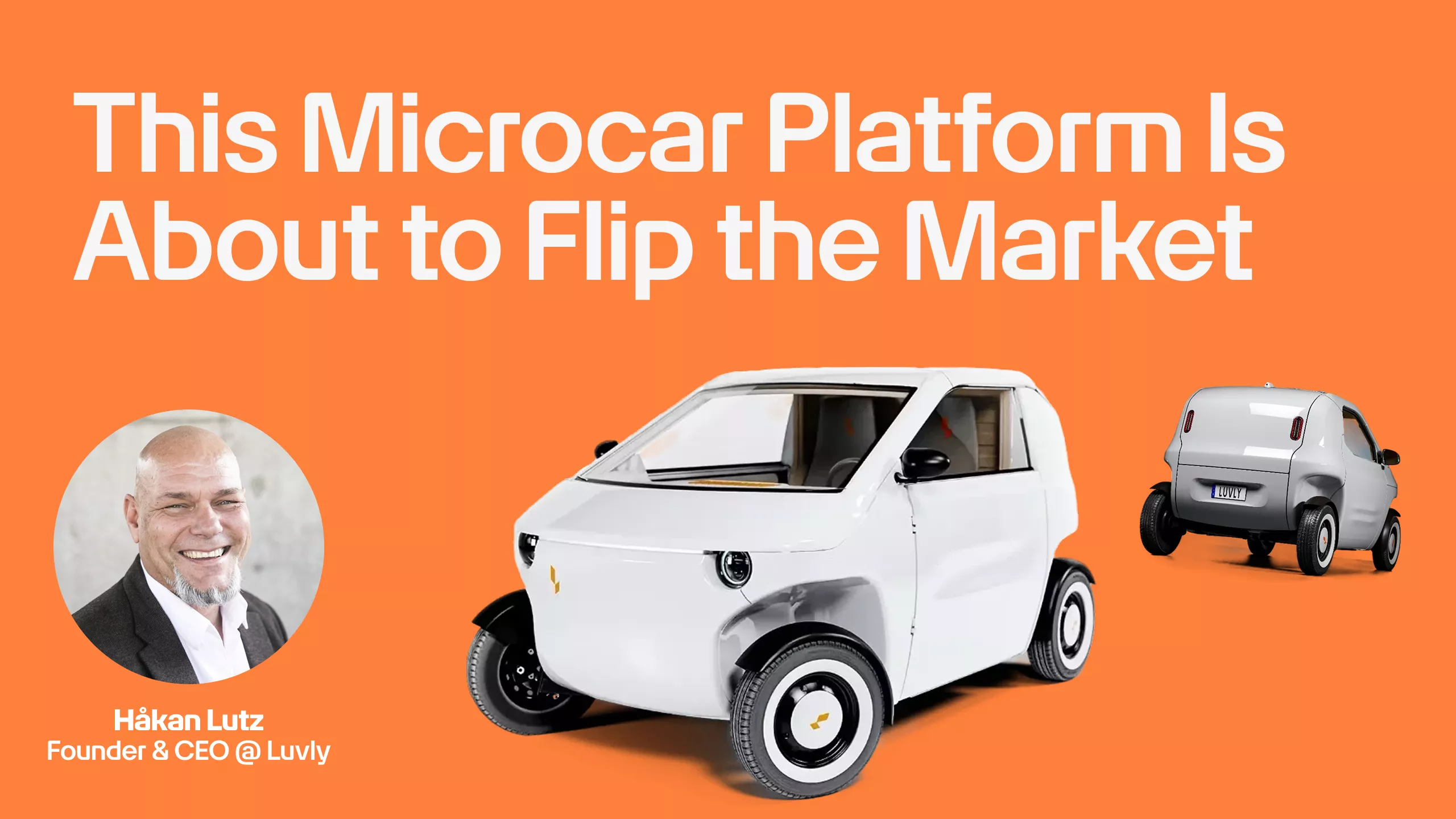
Luvly is a Swedish company building a patented ultra-light vehicle architecture designed for city use. Instead of launching a car brand, they want to license a modular platform that partners can use to build their own passenger and cargo micro-vehicles, with local assembly and radically lower shipping volume.
In this episode, we sit down with Håkan Lutz, Founder & CEO of Luvly, to unpack how the platform works, why the “flat-pack” idea matters, and what needs to change for microcars to become a real alternative to full-size cars.
Everything about Luvly in one place
This episode is for you if:
- You build or back micro-mobility and light EV platforms (L6e/L7e)
- You work in city mobility, public space redesign, or urban transport planning
- You’re an OEM, Tier 1, or contract manufacturer exploring smaller EV formats
- You care about cost, logistics, and safety tradeoffs in microcar design
In this episode, you’ll learn:
⚡ Why Luvly chose a platform + licensing model instead of becoming a car brand
⚡ How the sandwich-panel safety cell works, and why foam energy absorbers matter
⚡ How ultra-low weight changes everything: motors, batteries, efficiency, and cost
⚡ The “flat-pack” argument: why shipping unassembled bodies can cut volume (and cost) dramatically
⚡ How local assembly hubs could make small-volume production viable with lower capex
⚡ Why swappable battery packs can avoid charging bottlenecks and enable new operator models
⚡ What Håkan wants changed in L7e: safety requirements that match 90 km/h vehicles
Topics covered include
- Why “light + safe + affordable” is a brutal equation (and what made their first attempt fail 15 years ago)
- The real product: licensing the architecture, not launching a car brand (and why that matters for scale)
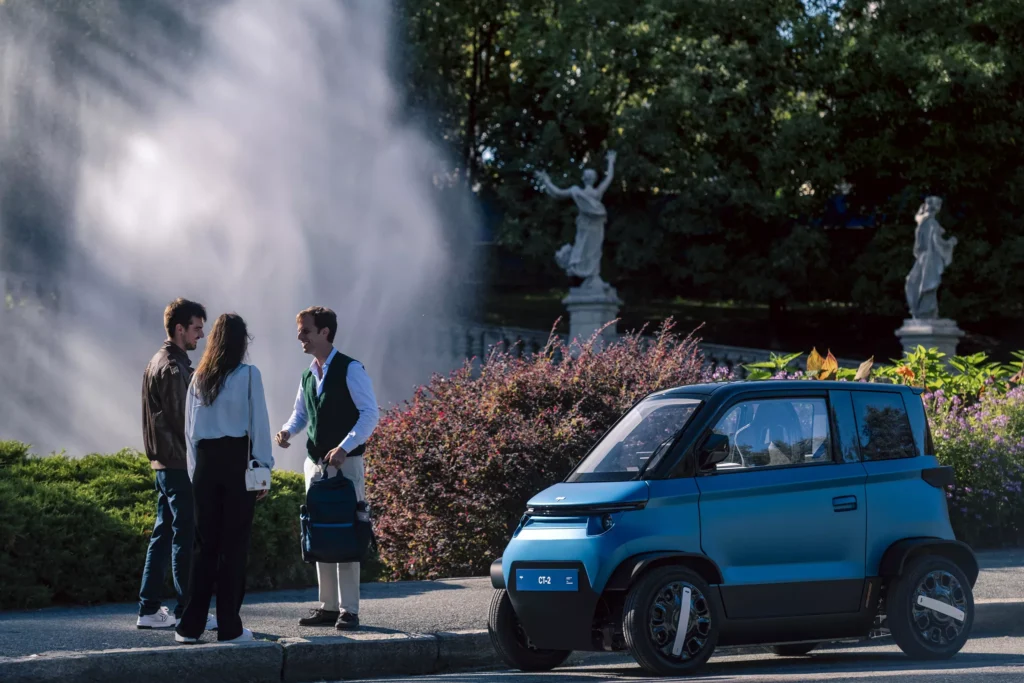
- Where Luvly fits vs Ami/Twizy/Microlino, plus why 45 km/h microcars don’t replace full-size cars in practice
- L-category basics: L6 vs L7, why L7e is the sweet spot for capability, and where future regulation could tighten safety expectations
- What makes the structure different: composite sandwich safety cell + distributed foam energy absorbers (and why flat surfaces enable that)
- The “local weakness” problem in composite structures (high-heel intrusion example) and how exterior protection is part of the safety story
- How they hit low mass in boring places: seats (5 kg), simplified parts, smaller motors, smaller batteries, and why every kilo cascades
- Battery strategy: small swappable packs (two ~3.2 kWh units), home/office charging, and what this changes for fleets and sharing ops
- Flat-pack logistics: nesting body parts, shipping volume vs weight, and how local assembly hubs reduce transport cost and complexity
- Repairability by design: clip-on body panels, through-colored thermoplastics, no paint, faster replacement, fewer cosmetic failures
- Utility and cargo potential: L7e CU weight limits, what 650 kg unlocks, and why this could work for city logistics
- Adoption blockers: slow OEM decision cycles vs faster “emerging producers,” and why their near-term wins may come from smaller players first
- The safety elephant in the room: small vehicles vs 3-ton EVs on the same road, and their argument that the “tanks” are the real problem
- What cities look like with LUVs everywhere: less space waste, less tire/road particulate, less background noise, and simpler charging needsthout on-site installs
Subscribe to Charging Stack for more podcast episodes, deep dives, and case studies with the people keeping the future of mobility running. ⚡