
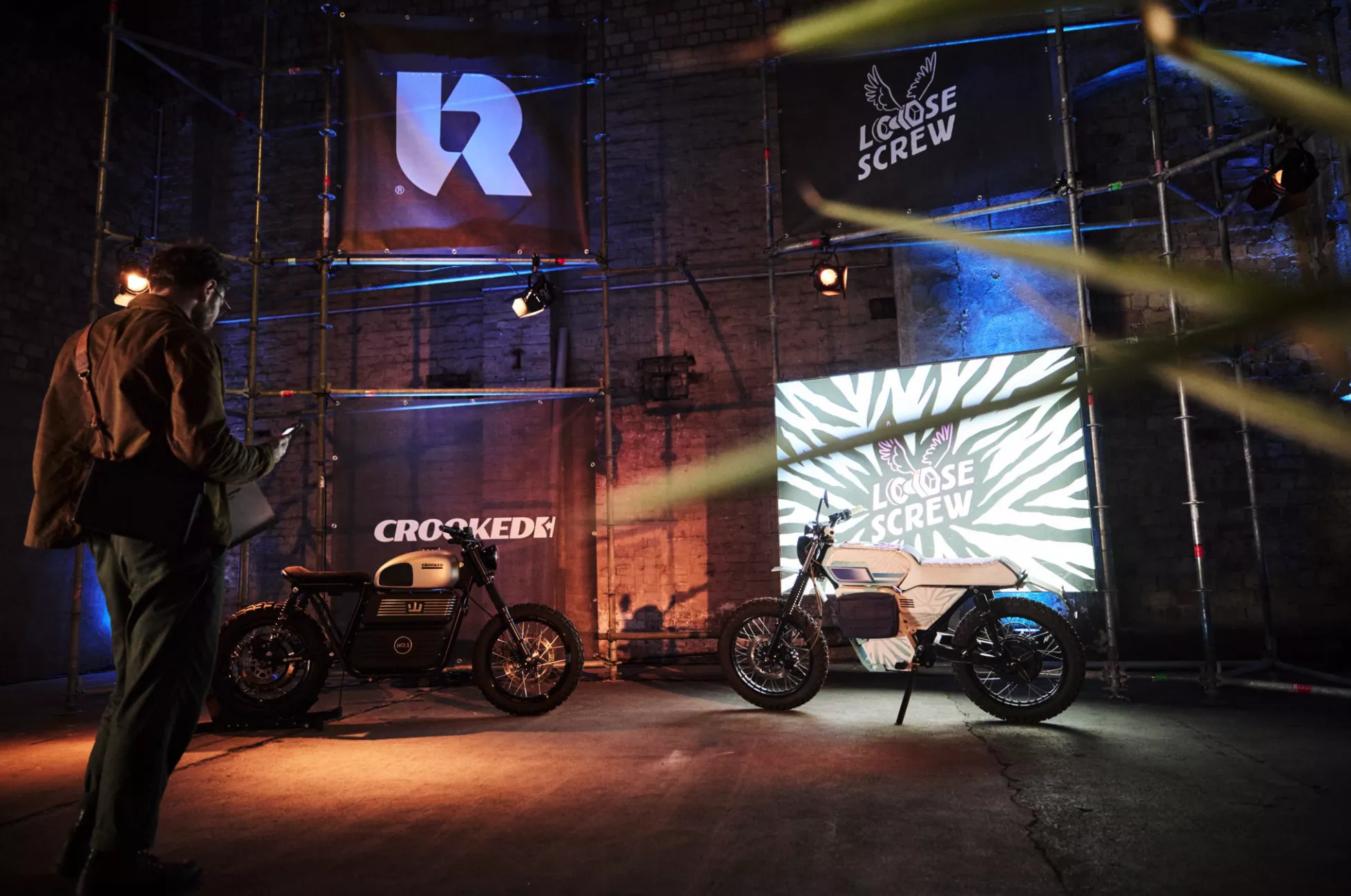

Why Reload Land Matters for Europe’s Electric Two-Wheeler Scene
Share your love
Electric two-wheelers do not grow through product launches alone. They grow when people can see them up close, ride them, talk about them, and start placing them in everyday life instead of leaving them trapped inside spec sheets and press releases.
That is why events like Reload Land are important. They give this still-forming corner of mobility something it badly needs: a visible meeting point where brands, riders, startups, media, and curious newcomers can gather around the same machines, questions, and possibilities.
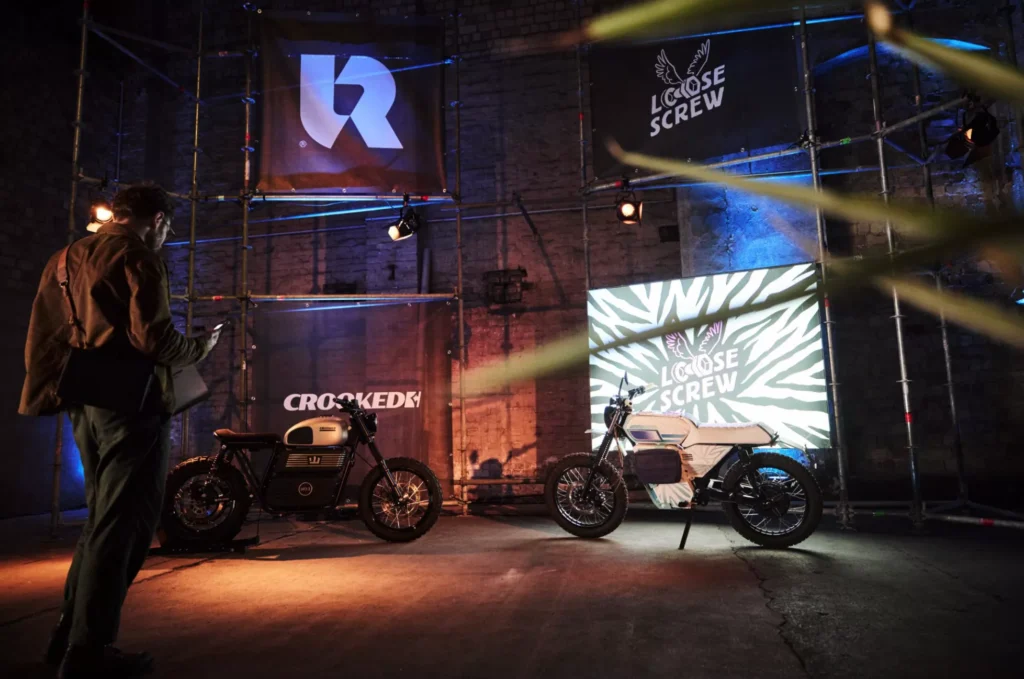
Reload Land is doing exactly that in Berlin. What started as a small, culture-led festival for electric motorcycles has grown into a platform that gives Europe’s electric two-wheeler world more visibility, more energy, and a stronger public presence. In an industry still fighting for attention, trust, and adoption, that kind of event does more than fill a weekend calendar. It helps turn momentum into something people can actually see, feel, and believe in.
Why events like this matter in the first place
Electric two-wheel mobility is moving forward through better engineering, stronger brands, and a broader mix of products than even a few years ago. But product progress alone does not create a real market around a technology. People still need places where they can see the machines up close, hear how others talk about them, and understand where this part of mobility fits in everyday life.
That is why events still matter. They bring scattered brands and separate product stories into one live setting. They create conversation, familiarity, and the sense that something larger is starting to take hold.
This industry needs more than product launches
Launches, announcements, and spec sheets can introduce a product. They cannot build a market around it on their own.
Electric motorcycles still need context. People need places where they can compare products, ask simple questions, test assumptions, and get a clearer sense of the market beyond polished marketing materials. Without that, the whole thing risks staying fragmented in the public mind, seen as a handful of isolated vehicles rather than a meaningful part of the wider mobility shift.
Events help close that gap. They turn visibility into familiarity, and repeated contact is what starts to shift perception over time. That is how a niche starts to look established.
Why Reload Land plays an important role
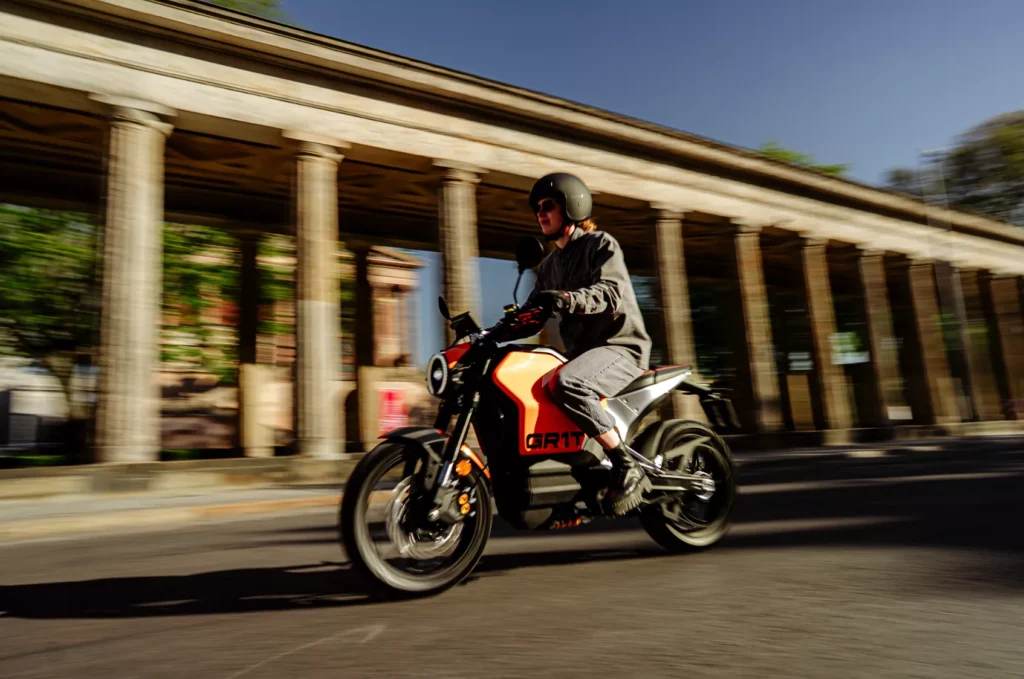
Reload Land creates that kind of contact in a way that feels active, social, and memorable. Through test rides, conversations, community presence, and an atmosphere built around the machines themselves, it gives electric motorcycles a place where they can be experienced properly rather than judged from a distance.
Many people still form their opinions before they have ever ridden one, stood next to one, or spent time around the people building and using them. Reload Land shortens that gap. It brings brands, riders, startups, media, and curious visitors into the same environment and makes the market easier to understand in one visit.
For a part of mobility still defining itself, that kind of event does more than create a good weekend. It helps a niche start to look durable.
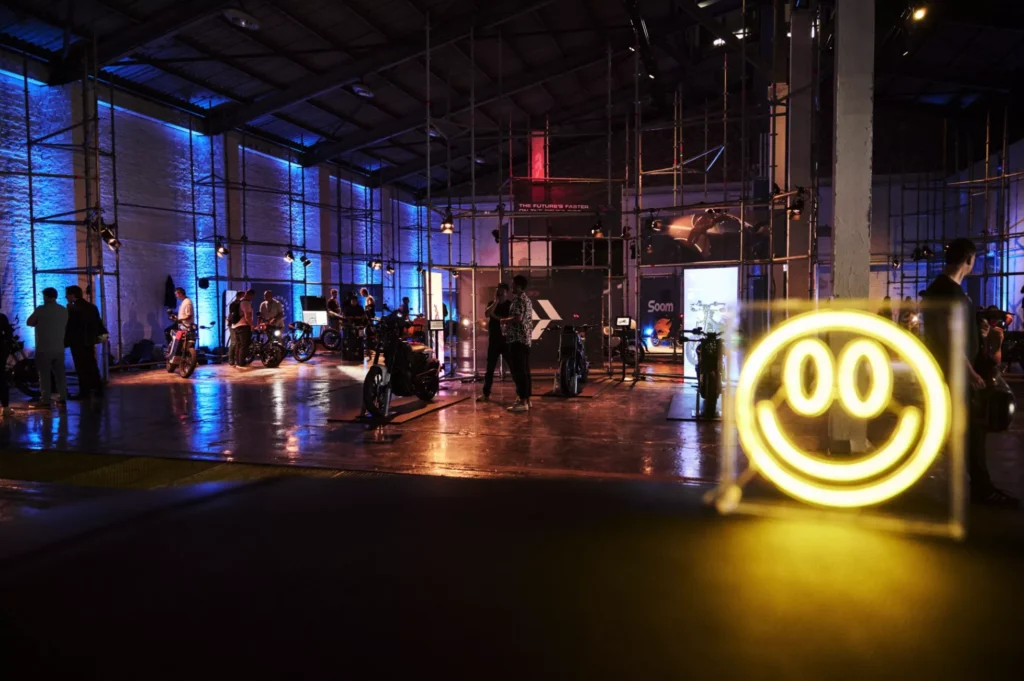
Reload Land was built to fill a real gap
Reload Land did not appear because Berlin needed another event on the calendar. It appeared because electric motorcycles already had promising products, ambitious founders, and strong design ideas, but they still lacked the right context around them. The machines were there. The energy was there in fragments. What was missing was a format that could bring those pieces together and present them with the right mood, openness, and point of view.
That explains why Reload Land feels different from a standard industry event. It was not built around booth sales first, but around presentation, atmosphere, and the belief that electric two-wheel mobility needed a stronger cultural presence. That starting point still shapes the way the festival feels today.
What Max Funk felt was missing
Max’s route into Reload Land came through publishing, research, and personal curiosity. While working on The Current, a book about electric motorcycles, he spent time getting to know the space and noticed something important. The products were real. The founders were real. The ambition was already there. The presentation still lagged behind.
The gap was not just commercial. It was cultural. Electric motorcycles were too often treated as a side story, something to explain technically rather than present with their own mood and character. Max saw that the space needed more than exposure. It needed a format that could celebrate the machines properly and make them feel special beyond the usual insider bubble.
That is what pushed Reload Land into existence. It was a response to a clear absence: this part of mobility already had enough creativity and momentum to deserve a better platform.
Why Reload Land was never meant to be a standard expo
From the start, Reload Land was aimed at something looser, more expressive, and more human than a conventional trade fair. Max was not trying to reproduce the usual industry formula with cleaner branding and electric products swapped in. He wanted an event that could bring motorcycles together with atmosphere, aesthetics, music, art, city riding, and the kind of live experience that helps people connect with a machine on a deeper level.
That instinct makes sense here. Electric motorcycles do not lean on the same emotional cues that traditional motorcycle culture has used for decades. When one familiar trigger is reduced, the rest of the experience has to do more of the work. Design, mood, test rides, and shared moments all start to carry more weight. Reload Land was built around that reality.
That is why it makes more sense to think of Reload Land as a cultural platform than a standard expo. It still works for brands. It still gives them somewhere to show products, meet people, and build interest. But its real value lies in the setting it creates around the machines. It gives electric motorcycles a place that feels alive. That difference is a big part of why the event stands out.
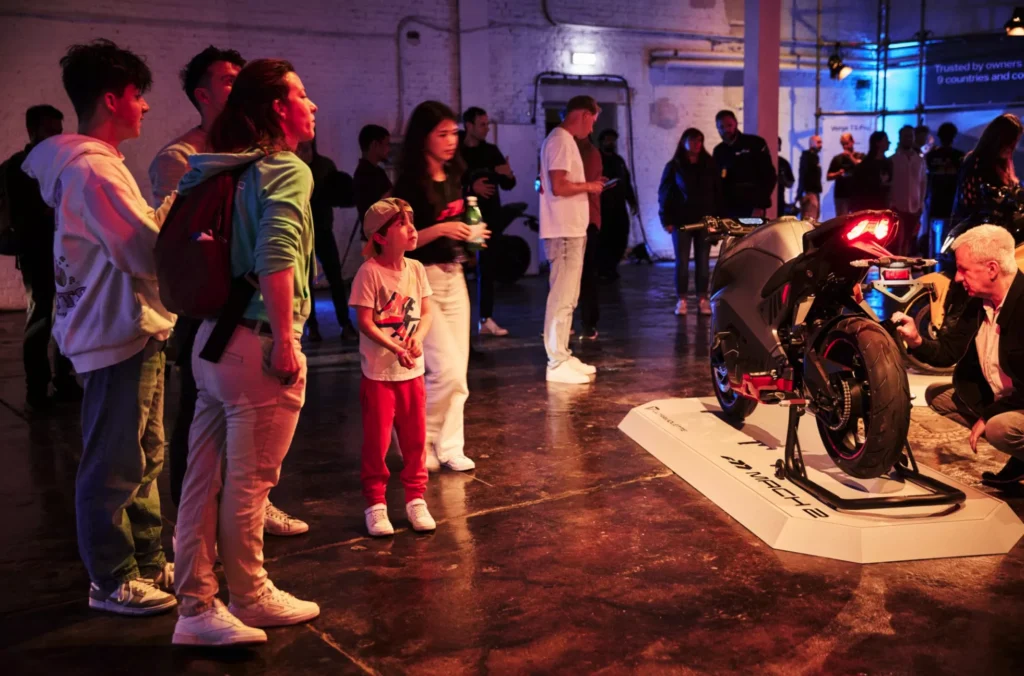
Electric motorcycles need more than specs
Too much of the conversation around electric motorcycles still begins in the wrong place. Brands lean on performance figures, battery details, range claims, and technical comparisons, as if those alone are enough to make people care. Those things matter, but they do not carry the whole case.
Electric motorcycles also lose one of the old shortcuts to emotion – sound. That means the rest of the experience has to do more of the work. People need to understand what these machines feel like, who they are for, where they fit, and why they are exciting in the first place. That is especially true in two-wheel mobility, where emotion, character, and rider experience matter more than many brands seem willing to admit.
Why live experience changes perception
Many people decide what they think about electric motorcycles long before they spend any real time around one. They imagine them as quiet, clinical, or stripped of the emotional pull that has shaped motorcycle culture for decades. Then they actually ride one, or stand close enough to watch how people react to them, and the picture starts to change.
That first-hand contact works fast. A test ride can do more in ten minutes than months of digital marketing. It takes the machine out of abstraction and replaces assumption with direct experience. Riders get a feel for the acceleration, the handling, and the way different bikes still carry very different personalities. What looked flat from a distance suddenly becomes easier to understand.
Electric two-wheelers still face a perception gap as much as a technology gap. They do not only need awareness. They need moments that let people recalibrate what they think they know. Live events are powerful because they combine the machine, the atmosphere around it, and the immediate proof of seeing other people engage with it for real.
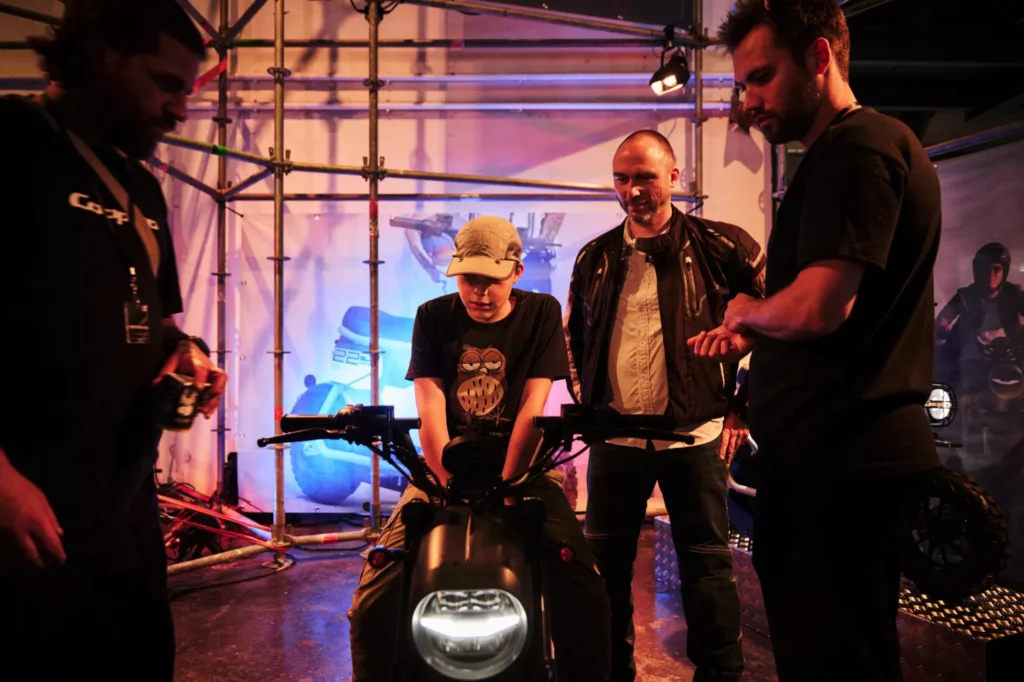
What brands still get wrong about selling the category
A lot of brands still market electric motorcycles as if the product should speak for itself. They lean too heavily on specs, polished visuals, and clean but generic brand language, then wonder why the message fails to land beyond a narrow audience.
The problem is not the machines. It is how they are being presented. Too much of the communication feels overmanaged and detached from real life. When every image feels too perfect and every message sounds like it could belong to any premium consumer product, the bikes lose some of the personality that makes people pay attention in the first place.
Electric motorcycles need more grounded, more visible, and more lived-in ways of being presented. People need to see them in cities, outside bars and cafés, in the hands of real riders, and inside real communities. They need stories that feel human. They need brands that understand that connection is built through culture, presence, and trust as much as through technical proof.
That is where Reload Land fits so well. It gives electric motorcycles a more natural place to make their case. Instead of asking visitors to absorb another polished message, it lets the bikes, the builders, and the crowd around them make the argument together.
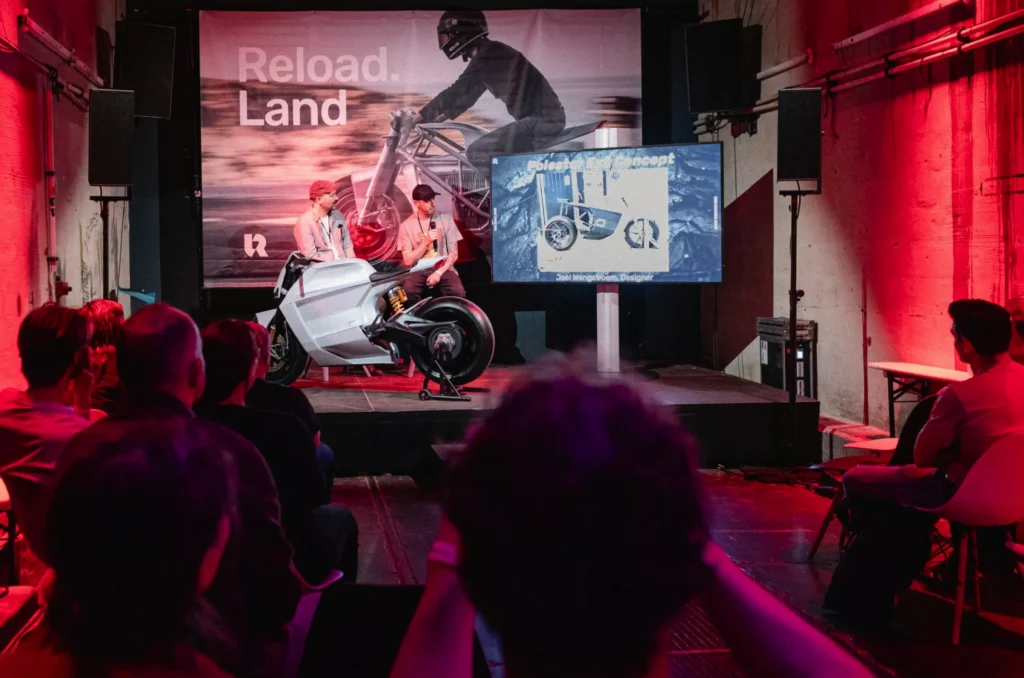
What Reload Land gives the industry
Reload Land does more than put electric motorcycles on display for a weekend. It brings the different parts of the electric two-wheeler world into one focused setting: brands, startups, riders, media, and curious visitors. That concentration matters in a market that still lacks enough places where the whole thing comes together.
People can try the products, compare them, and get a clearer sense of where the market stands. Brands can watch reactions in real time. Smaller companies can stand alongside bigger names without being pushed to the edges.
That alone changes how the market reads in person.
A better platform for brands, startups, and visitors
One of Reload Land’s biggest strengths is that electric two-wheelers are not treated as a side attraction. At larger motorcycle shows, electric models can still end up in a corner or framed as a future-facing add-on. Here, they sit at the center. That changes the tone immediately.
For startups and smaller brands, that shift matters even more. Instead of fighting for scraps of attention inside a combustion-led environment, they get a clearer platform, a more relevant audience, and a better chance to be understood in context. Max has also tried to make room for younger companies even when that required commercial flexibility, which says a lot about how he sees the event’s place in the wider market.
Visitors benefit from that mix as well. They are not walking a generic expo floor and trying to piece the story together on their own. They get a tighter, more readable view of what is happening, from established players to newer entrants, from practical commuter vehicles to more passion-led machines. That makes the event easier to read and more rewarding to spend time in.
Why events like this help a market take shape
A market starts to look established when it develops recurring reference points around it. Not just products, but places, formats, and names that people return to when they want to understand what is happening.
Reload Land is helping create one of those reference points for Europe’s electric two-wheeler world. Brands return. Riders come back. Media pays attention. New visitors arrive with one level of understanding and leave with another. Over time, that builds more than awareness. It builds recognition, memory, and a stronger sense that this part of mobility has real momentum behind it.
That is why events like this carry weight beyond a single weekend. They do not simply mirror progress after it appears. They help make that progress easier to see.
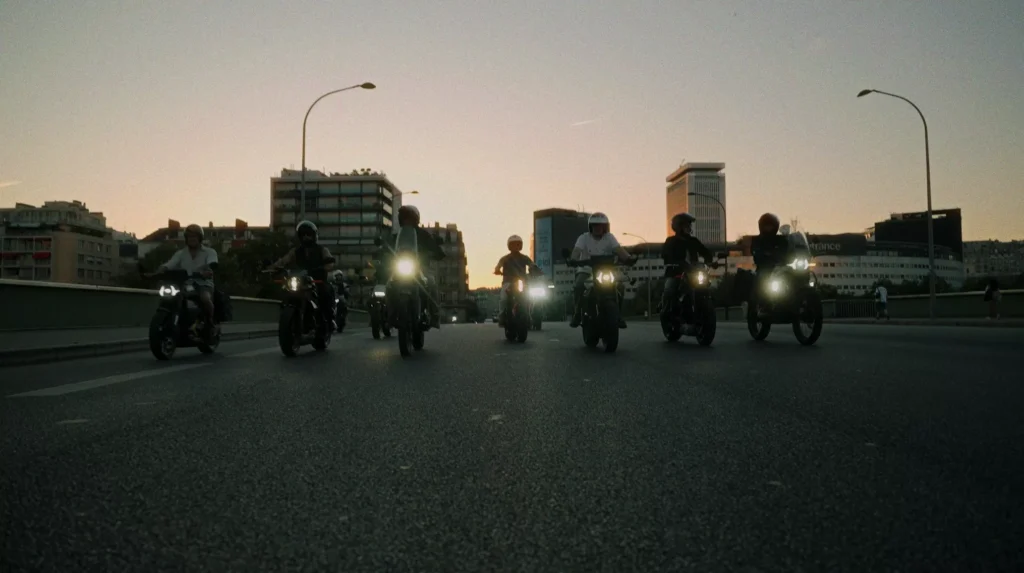
Formula E makes this a bigger moment
Reload Land was already carving out a clear role in Europe’s electric two-wheeler scene. The Formula E partnership changes the scale of that role. It places the festival inside a much larger electric mobility weekend and puts it in front of people who may never have gone looking for an electric motorcycle event on their own.
That shift matters because visibility is one of the hardest things for smaller mobility events to build from scratch. Even strong formats can struggle when discovery depends entirely on their own reach. Formula E changes that. It brings footfall, crossover, and a broader audience into the same setting, giving Reload Land a stronger chance to break out of its usual bubble.
What the partnership changes
From Max’s perspective, the clearest benefit is reach. Formula E already attracts people interested in electric performance, future-facing mobility, and live experience. That gives Reload Land access to a much larger crowd without forcing it to build that audience by itself.
It also changes how the festival is perceived. Instead of sitting entirely inside its own niche, Reload Land becomes part of a wider electric mobility conversation. That makes it easier for electric motorcycles to register as a serious and visible part of the space rather than something separate or secondary. Visitors who arrive for the race weekend can also discover the brands, test rides, and atmosphere Reload Land has built, and that overlap matters for a market still trying to widen its audience.
The partnership also changes how Reload Land reads from the outside. It no longer looks only like a small independent scene event. It looks like a format worth integrating into a much larger weekend. For the brands involved, that adds another layer of relevance. For the festival itself, it shows that the concept has already grown beyond its original scale.
The opportunity and the tradeoff
The opportunity is clear. More people, stronger visibility, and a much bigger platform can all help Reload Land move from a respected niche format into something with wider European relevance. If the collaboration works, it could open the door to larger editions, stronger partnerships, and a bigger role for the festival in the years ahead.
At the same time, Max is clear that growth comes with compromises. A larger partner brings structure, rules, and limitations that do not exist in the same way when you run your own independent format. There is less freedom, less flexibility, and less room to shape every part of the experience exactly as you want. That does not weaken the partnership. It makes 2026 a genuine test of whether Reload Land can grow without losing too much of the character that made it stand out in the first place.
That tension is what makes this edition especially interesting. The upside is obvious. The real question is whether Reload Land can use a bigger platform to expand its reach while keeping the openness, atmosphere, and cultural edge that made it worth noticing to begin with.
If it can, this will look less like a one-off collaboration and more like a real change in scale for the festival.
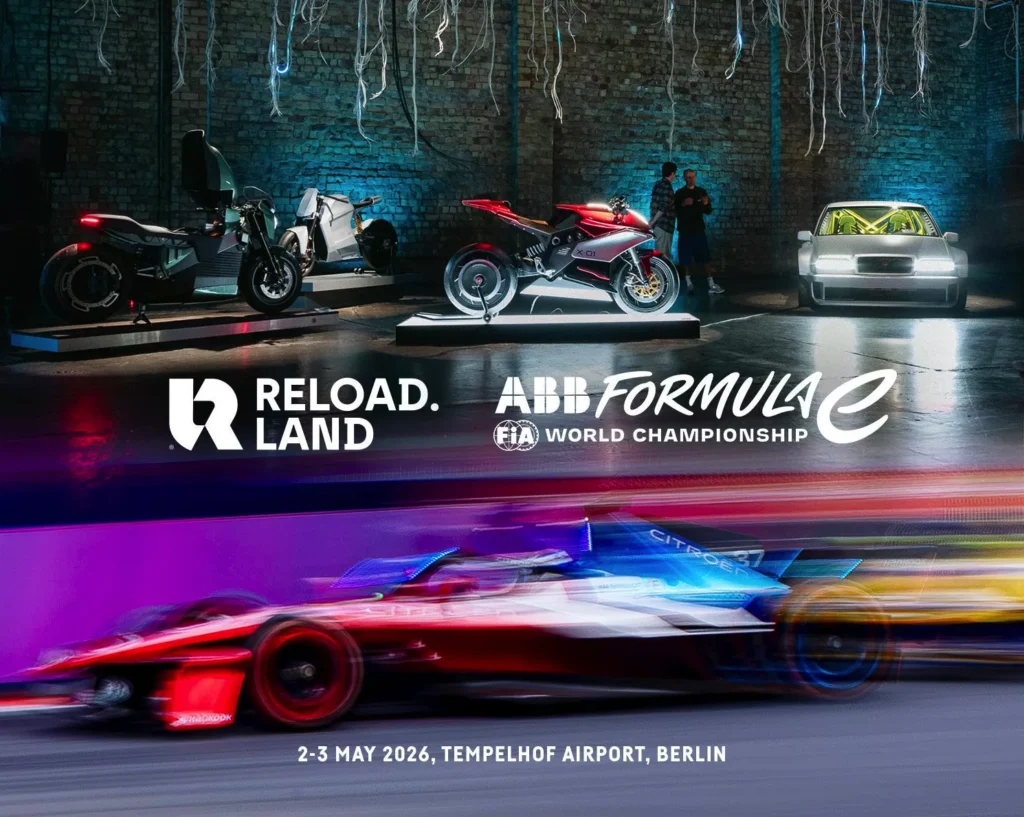
From Berlin festival to European platform
Reload Land may still be rooted in Berlin, but Max is clearly thinking beyond a once-a-year local festival. He talks about it as something that can grow, travel, and become a recognizable reference point in Europe’s electric two-wheeler world.
That wider ambition matters because this part of mobility still has very few recurring cultural anchors of its own. There are products, brands, and local communities, but far fewer live concepts with a strong enough point of view to move across cities. Reload Land already has the beginnings of that kind of profile. It has a clear tone, a visual language, and a distinct idea of how electric mobility should be presented.
Max’s longer-term vision
Max’s vision for Reload Land goes far beyond adding a few more exhibitors each year. He talks about larger spaces, stronger visual production, more artists, more technology, more concept bikes, and a festival that feels richer and more immersive than a standard industry event. In his ideal version, Reload Land becomes a place where motorcycles, design, music, art, and electric mobility all sit together in a much more ambitious way.
What stands out is that his thinking is rooted more in experience than in scale. He does not describe growth as a numbers exercise. He describes it as the chance to build the festival properly, bring in the right people, and finally realize the version he already sees in his head but does not yet have the budget to fully make real. He is clearly trying to build a live concept, not simply grow an event.
He is also thinking beyond the festival itself. In the interview, he talks about pop-ups, more concept-bike activity, and the possibility that Reload Land could become one of the first names people associate with electric motorcycles in Europe. That is ambitious, but it also reveals how he sees the project. Reload Land is not only an organizer in his mind. It is a way of shaping how this part of mobility is presented and remembered.
And here below, you can watch our podcast episode with Max. You’ll get 53 minutes of his insights into electric motorcycle industry, the business behind a mobility festival, and much more.
Why Reload Land could travel well
Reload Land has a good chance of translating beyond Berlin because its appeal is not tied to one local audience alone. The core ingredients travel well: electric two-wheelers, live experience, test rides, design, community, and a format that feels more open and less corporate than a traditional trade show. Those qualities are not specific to Berlin. They can connect in other urban markets where electric mobility is already becoming more visible and culturally relevant.
That is why cities like London, Milan, or Paris make sense in Max’s thinking. Each already has some mix of dense urban movement, stronger EV curiosity, and a public that is more used to seeing new mobility ideas show up in everyday life. Reload Land would still need to adapt locally, of course, but the broader logic already holds.
What makes it especially portable is that Reload Land is not trying to be neutral. It has a clear tone and a visible signature. That comes through in the way Max talks about atmosphere, community, and presentation. Distinctive live concepts often travel better than generic ones because people respond to more than the vehicles on display. They respond to the way the festival frames the whole space as something worth showing up for.
If Reload Land can keep that character while expanding into new cities, it has the potential to become more than a respected Berlin festival. It could become one of the recurring points of contact that helps Europe’s electric two-wheeler world feel more connected across markets.
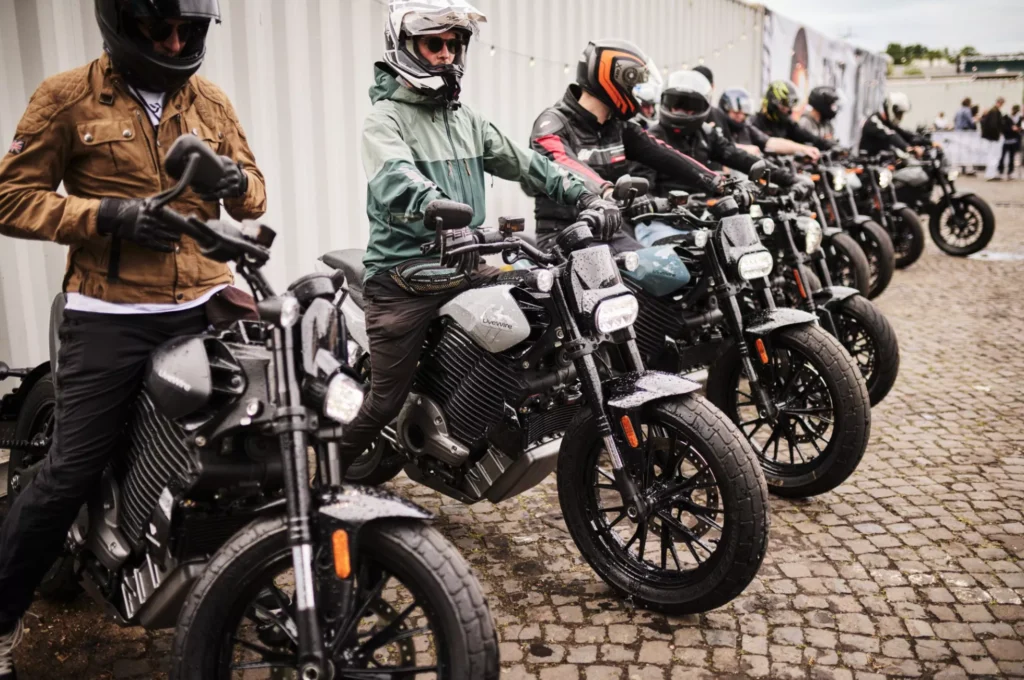
Why Reload Land deserves attention
Reload Land deserves attention because it is doing more than putting on a weekend festival. It is helping give electric two-wheel mobility a stronger public presence at a stage when that still matters. This part of the industry needs more than better products and technical progress. It needs places where people can gather around the machines, experience them properly, and get a clearer sense of where the market is heading.
That is what Reload Land offers. It creates a setting where electric motorcycles can be seen in motion, discussed in context, and understood as part of something bigger than a launch cycle. Brands get a sharper platform. Visitors get a more direct way in. The wider scene becomes easier to understand at a glance.
For the industry, that carries real weight. Markets grow faster when curiosity has somewhere to go, when people can return to familiar touchpoints, and when products stop living only inside marketing materials and start showing up in memorable, social settings. Events like Reload Land help make that shift visible.
That is why this matters beyond one edition or one city. Reload Land is helping bring the electric two-wheeler world into clearer view, and that alone makes it worth paying attention to. And if you want to understand where this part of mobility is heading, it is also the kind of festival worth experiencing in person.