







From EVs and batteries to autonomous vehicles and urban transport, we cover what actually matters. Delivered to your inbox weekly.
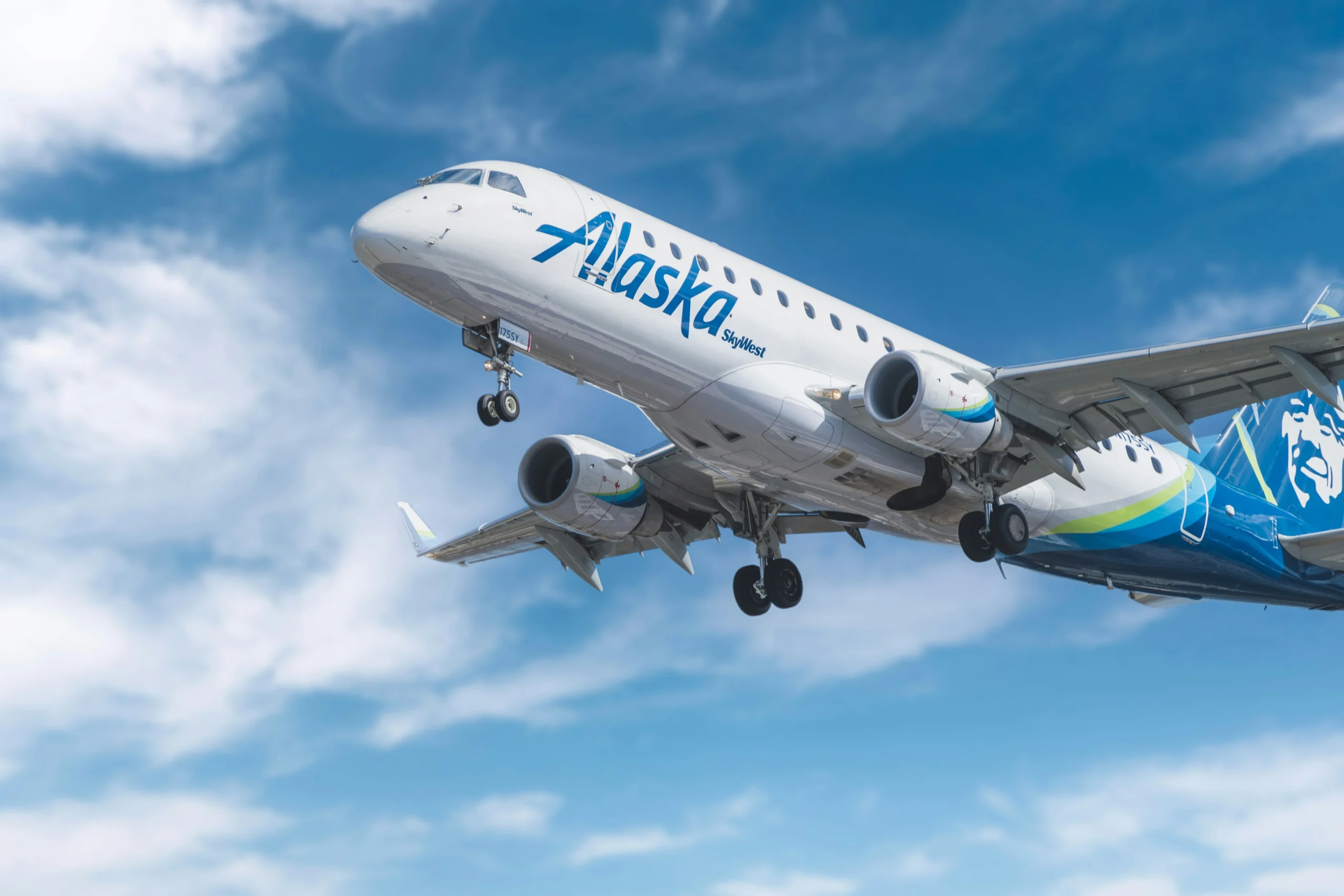
Alaska Airlines grounded its entire fleet for three hours on July 21 after an IT outage disrupted operational systems critical to flight dispatch and scheduling. The shutdown, which began at 8 p.m. Pacific Time, affected all flights in progress or scheduled, covering both its mainline Boeing 737 and Embraer 175 regional aircraft operated through partners.
Alaska’s fleet—comprising 238 Boeing 737s and 87 Embraer 175s—serves over 115 destinations in North America. Even a brief halt can reverberate across the network, and the three-hour outage led to delays and operational ripple effects through the evening. The airline has not disclosed the root cause of the failure or whether it involved malicious activity.
Repeated groundings place added scrutiny on IT systems at major carriers, particularly as airlines deepen their reliance on real-time data platforms to manage everything from gate assignments to crew logistics. Unlike weather or air traffic delays, technology failures raise internal accountability and regulatory visibility, especially when they affect entire fleets.
For stakeholders, the incident adds pressure in several ways:
As legacy carriers integrate newer tech stacks, the gap between uptime expectations and system reliability is closing. This outage is a reminder that infrastructure upgrades must extend beyond aircraft to include foundational IT architecture. For Alaska and others navigating digital transformation, the ability to maintain service continuity underlines operational credibility—as much as punctuality or on-board experience.
“`